
How to Build a Stress-Free Weekly Food Schedule for Efficient Meal Planning

Building a stress-free weekly food schedule begins with careful planning and realistic expectations. By organising meals around simple, flexible options, anyone can reduce the daily pressure of deciding what to cook.
The key is to create a balanced plan that is easy to prepare, varied enough to avoid boredom, and adaptable to changing needs throughout the week. This approach saves time, limits food waste, and helps maintain a consistent eating routine.
With thoughtful preparation, the weekly food schedule becomes a helpful tool rather than a chore. It supports healthier choices and frees up mental space for other priorities.
Essential Steps to Building a Stress-Free Weekly Food Schedule
A stress-free weekly food schedule starts with a consistent routine and clear choices about meals. It requires planning around available time, preferred meals, and flexibility to adapt. Efficiency and structure are key to reducing daily decision fatigue and saving time.
Establishing a Meal Planning Routine
Creating a meal planning routine means setting a specific day and time each week to plan meals. This consistency helps develop a habit, making it easier to maintain. For example, Sunday afternoon can be dedicated to reviewing recipes and planning the week’s meals.
Including a quick grocery shopping list during this session streamlines both meal preparation and shopping. He or she should also consider what leftovers can be used to reduce cooking time on busy days. Keeping notes of favourite meals or seasonal ingredients aids future planning.
Choosing a Meal Plan Template
A meal plan template organises meals visually for the whole week, making it easier to balance variety and nutritional needs. Templates can be as simple as a table with days of the week and meal slots or more detailed digital planners.
Using a template with columns for breakfast, lunch, dinner, and snacks allows clearer allocation of meals. Colour-coding meals by category or prep time can highlight which days need shorter cooking. These templates reduce mental load and guide grocery lists accurately.
Setting Flexible Theme Nights
Theme nights assign a specific type of cuisine or meal style to certain days, simplifying choices and preparation. Themes like “Meatless Monday,” “Taco Tuesday,” or “Fish Friday” provide structure yet remain adaptable.
This strategy saves time by narrowing recipes to a category, avoiding the need to decide from scratch daily. Themes also encourage variety and can incorporate family preferences. Flexibility remains crucial to adjust themes if schedules or ingredients change.
Creating a Time-Saving Cooking Routine
Efficient cooking routines focus on batch cooking, using versatile ingredients, and utilising kitchen tools wisely. Preparing base ingredients like rice or roasted vegetables ahead of time cuts down daily hands-on cooking.
He or she should prioritise recipes with overlapping ingredients to minimise waste and shopping complexity. Using slow cookers, instant pots, or ovens effectively allows multitasking and reduces monitoring. Consistency in cooking times and techniques optimises time savings.
Planning for Balanced and Nutritious Meals
Creating a weekly food schedule requires attention to both nutritional balance and individual needs. Variety and specific dietary considerations ensure meals are healthy and sustainable throughout the week.
Incorporating Balanced Meals
Balanced meals include appropriate portions of macronutrients: proteins, carbohydrates, and fats. A simple plate model is helpful—half the plate with vegetables, a quarter with lean protein, and a quarter with whole grains.
Including fibre-rich foods like legumes and whole grains supports digestion. Healthy fats from sources such as nuts, seeds, or olive oil enhance nutrient absorption. Hydration should also be considered through water intake during meals.
Planning meals with a balance of these elements helps maintain energy levels and supports overall health.
Addressing Dietary Needs and Specific Diets
It is important to tailor meal schedules according to individual dietary needs, such as allergies, intolerances, or health conditions like diabetes. Specific diets, including vegetarian, vegan, low-carb, or gluten-free, require careful ingredient selection.
For example, vegans must ensure proteins come from plant sources like beans or tofu, while those with gluten intolerance should avoid wheat and opt for gluten-free grains. Consulting dietary guidelines or a nutritionist supports accurate adjustments.
This personalised approach helps prevent nutritional gaps and ensures food choices align with health goals.
Designing Weekly Menus for Variety
Variety prevents nutritional monotony and keeps meals interesting. Weekly menus should rotate protein sources, include seasonal vegetables, and vary cooking methods to maintain appeal.
Using a colour-coded chart can help track food diversity across the week. For example:
| Day | Protein | Veggies | Carbs | Cooking Method |
| Monday | Chicken | Broccoli, carrots | Brown rice | Grilled |
| Wednesday | Lentils | Spinach, tomatoes | Quinoa | Stewed |
| Friday | Fish | Peppers, asparagus | Sweet potato | Roasted |
Planning like this supports nutrient intake and encourages trying new foods without added stress.
Practical Meal Prep and Shopping Strategies
Effective meal planning relies on organising cooking tasks, preparing a well-structured grocery list, managing food storage efficiently, and finding ways to reduce costs. These steps create a streamlined approach that lowers stress and minimises waste.
Batch Cooking and Meal Prep
Batch cooking involves preparing large quantities of meals at once, which can save time during busy weekdays. It works best with dishes like soups, stews, casseroles, and pasta sauces that reheat well.
Pre-portion these meals into containers to simplify grabbing ready-made options. Using freezer-friendly packaging helps maintain freshness and prevents waste.
Incorporating diverse ingredients in batch cooking prevents menu fatigue. For example, cooking a base like rice or quinoa separately allows pairing with different proteins and vegetables throughout the week.
Crafting an Effective Grocery List
A grocery list built from the planned meals reduces impulse buying and forgotten items. It should be divided into categories such as fresh produce, dairy, proteins, pantry staples, and frozen goods.
Including exact quantities avoids over-purchasing, which contributes to food spoilage. Listing versatile ingredients, such as onions, garlic, and herbs, allows flexibility in meal choices.
Using digital tools or apps can streamline list creation and adjustment based on inventory at home. Checking the pantry before shopping prevents duplicates and unnecessary spending.
Techniques to Reduce Food Waste
Storing perishable items correctly extends their shelf life. For example, leafy greens should be wrapped in paper towels and kept in breathable bags to reduce moisture.
Repurposing leftovers into new meals limits waste. Cooked vegetables can be blended into soups, and stale bread can be turned into croutons or breadcrumbs.
Tracking expiry dates and arranging foods to use older items first reduces spoilage. Clear storage containers also allow easy visual checks of contents.
Saving Money on Weekly Groceries
Buying seasonal produce generally costs less and offers better quality. Opting for store brands instead of premium labels can cut costs without compromising essentials.
Shopping with a list helps avoid unplanned purchases, which add up over time. Taking advantage of bulk discounts on non-perishable items ensures long-term savings.
Using loyalty cards and digital coupons further reduces expenses. Planning meals around special offers and sales makes the weekly food budget more manageable.
Maintaining and Enjoying Your Weekly Meal Planner
A weekly meal planner works best when it remains flexible and engaging. Regularly reviewing the plan and finding ways to stay motivated helps ensure the schedule continues to meet practical needs without becoming a chore.
Reviewing and Adjusting Your Schedule
Consistency in checking the weekly meal plan is essential. At the end of each week, they should review what worked well and what didn’t. Tracking meals that were skipped or needed extra effort allows for adjustments.
They can modify portion sizes, swap out recipes that didn’t appeal, or reorganise the days to better match their energy levels and commitments. Using a simple checklist or notes beside the plan helps highlight these changes.
Adjustments should focus on improving convenience and satisfaction, ensuring the schedule stays realistic. Flexibility to accommodate unexpected events or cravings prevents frustration or abandonment of the plan.
Staying Motivated with Your Weekly Meal Planner
Motivation can fade, but setting clear goals linked to the weekly meal plan helps maintain focus. For example, aiming to reduce last-minute takeaways or increase vegetable intake offers tangible targets.
Celebrating small successes, like completing an entire week without skipping planned meals, reinforces positive habits. Visual tools, such as stickers or colour coding on the planner, make this process more rewarding.
They should also remind themselves of the benefits gained: saving time, managing stress, and improving diet quality. Connecting the meal plan to these practical outcomes boosts ongoing commitment.
Related Posts
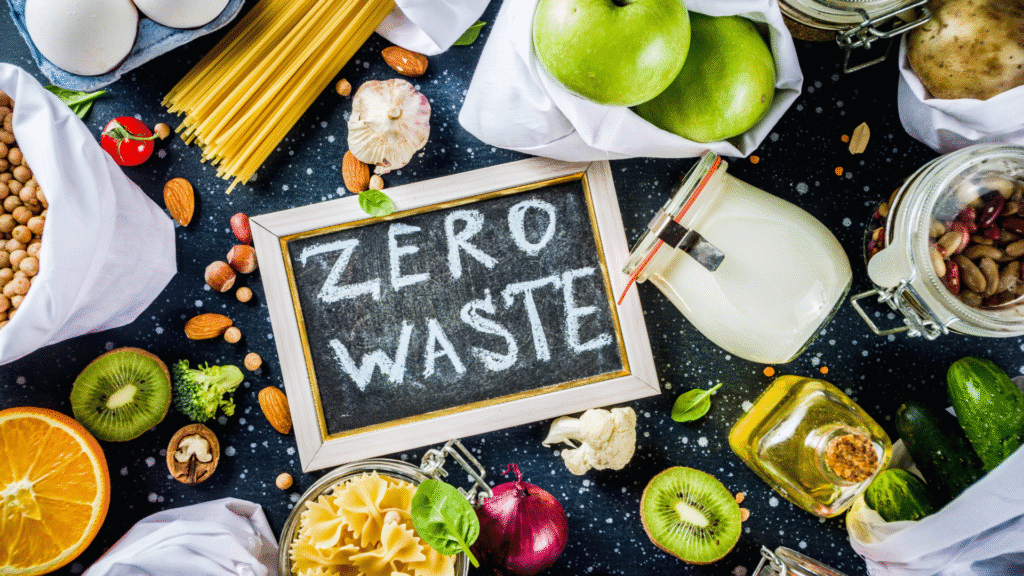
How to Reduce Food Waste with Weekly Prep for Efficient Meal Planning and Savings

Meal Prep Strategies That Save Time and Money for Busy Weekdays and Budget-Friendly Living