
The Science Behind How We Taste and Perceive Flavour
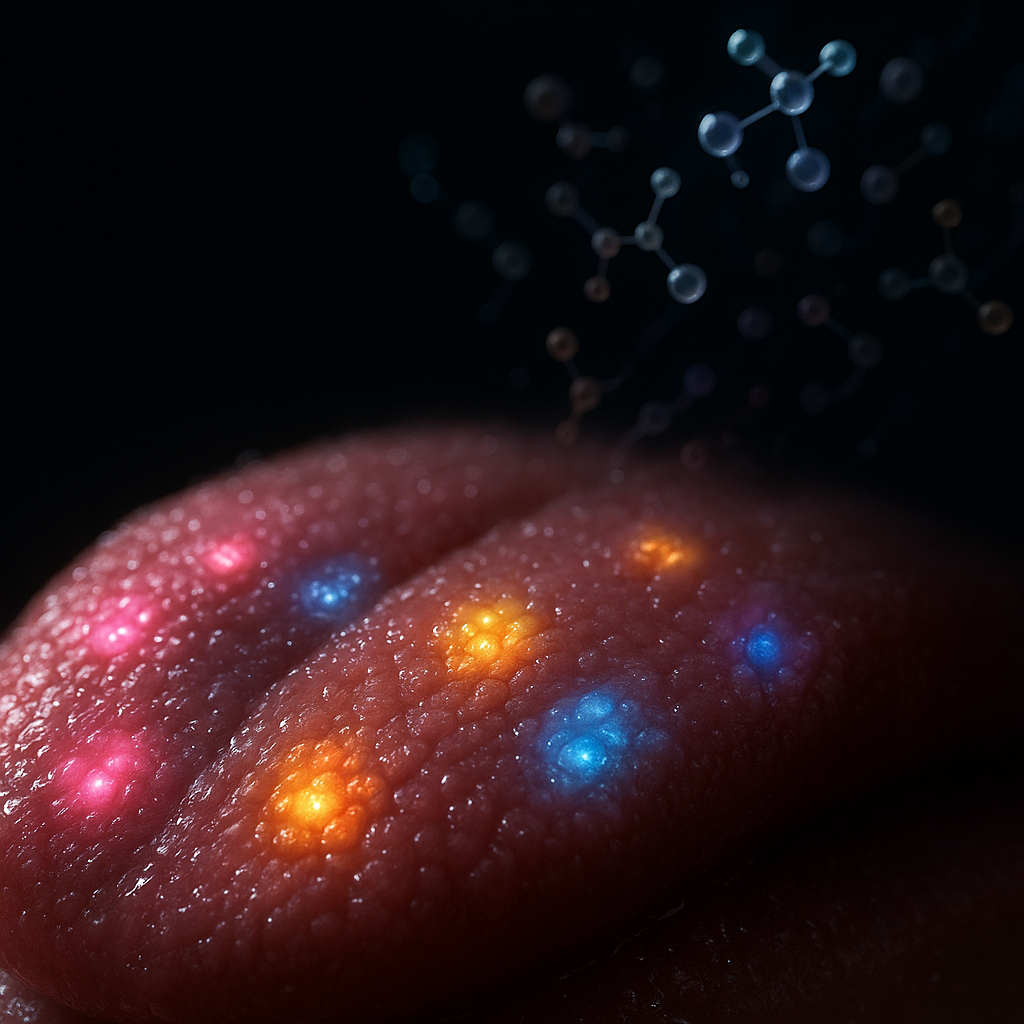
Bite into a ripe strawberry, sip a perfectly brewed cup of coffee, or crunch through a bag of salt and vinegar crisps — the experience feels instant and effortless. But behind every flavour you’ve ever enjoyed lies an extraordinarily complex chain of biological events involving your tongue, nose, brain, and even your memories. Taste is one of the most fundamental human senses, yet it remains one of the most misunderstood. So what’s actually happening when we eat something delicious? Let’s pull back the curtain on the science of taste and flavour perception.
What Is Taste, and How Does It Actually Work?
Most people use the words “taste” and “flavour” interchangeably, but scientifically speaking, they’re quite different things. Taste is the direct sensory input your tongue receives from chemical compounds in food. Flavour, on the other hand, is the much richer, more holistic experience your brain constructs by combining taste with smell, texture, temperature, sound, and even visual cues.
Your tongue is covered in thousands of tiny bumps called papillae, and nestled within most of these are your taste buds — specialised sensory organs that detect chemical molecules dissolved in saliva. The average adult has somewhere between 2,000 and 10,000 taste buds, though this number varies considerably from person to person and declines naturally with age. Each taste bud contains between 50 and 100 taste receptor cells, which send signals along nerve fibres directly to the brain.
The Five Basic Tastes
For decades, the classic school diagram told us there were four basic tastes: sweet, sour, salty, and bitter. We now know there are at least five, with umami — the savoury, meaty depth found in soy sauce, aged cheese, and mushrooms — officially recognised as a distinct taste category since the early 2000s. Some researchers are actively investigating whether fat (oleogustus), starchiness, and even water might constitute additional basic tastes, though these remain areas of active debate in the scientific community.
- Sweet: Signals the presence of carbohydrates and energy-rich foods. Detected by T1R2 and T1R3 receptor proteins.
- Salty: Primarily the detection of sodium ions, essential for electrolyte balance and nerve function.
- Sour: Indicates acidity (hydrogen ions), often associated with fermented or unripe foods.
- Bitter: The most sensitive of the basic tastes, evolved largely as a warning signal against potentially toxic compounds. Humans have around 25 different bitter taste receptors.
- Umami: The savoury taste triggered by glutamate and certain nucleotides. First identified by Japanese chemist Kikunae Ikeda in 1908.
The Role of Smell: Why Flavour Is Mostly in Your Nose
Here’s the fact that surprises most people: up to 80–90% of what we perceive as flavour actually comes from our sense of smell, not our taste buds. This is why food loses almost all its appeal when you have a blocked nose from a cold — the taste receptors on your tongue are still fully functional, but the aromatic information that gives food most of its character simply can’t reach your brain.
When you chew food, volatile aromatic molecules travel through the back of your throat and up into your nasal cavity via a channel called the retronasal pathway. There, they stimulate olfactory receptors — humans have around 400 different types — which transmit signals to the olfactory bulb in the brain. This process, known as retronasal olfaction, is distinct from the direct “sniffing” kind of smell (orthonasal olfaction) and is far more intimately tied to flavour perception.
The olfactory system also connects directly to the limbic system — the brain’s emotional and memory centre — which is why certain smells and flavours can trigger powerful, almost involuntary memories. The smell of freshly baked bread or a particular family recipe can transport you decades into the past in an instant. This is sometimes called the Proustian memory effect, named after the French author who wrote memorably about a madeleine cake triggering a flood of childhood memories.
Beyond the Tongue: The Multisensory Nature of Flavour
Taste and smell are just the beginning. Flavour perception is a genuinely multisensory experience, and researchers in the field of experimental psychology have spent decades uncovering just how dramatically other senses can alter what we taste.
Texture and Mouthfeel
The way food feels in your mouth — its texture, viscosity, crunchiness, and temperature — significantly influences perceived flavour. Creaminess, for instance, enhances the perception of sweetness and richness. Studies have shown that the same yoghurt is rated as tasting better when eaten with a heavier spoon, simply because the weight signals quality to the brain. Similarly, the sound of food — that satisfying crunch of a crisp — is processed as part of the eating experience, and altering it artificially can make food taste stale even when it isn’t.
Colour and Visual Cues
Colour is a surprisingly powerful flavour influencer. In a well-known study, food scientist Gil Morrot and colleagues gave wine experts a white wine that had been coloured red with an odourless dye. The experts described it using entirely red wine vocabulary — blackcurrant, cherry, plum — demonstrating that visual information can override sensory data from the nose and tongue. Food manufacturers are acutely aware of this, which is why the colour of packaging, beverages, and food products is so carefully managed.
Sound and Environment
Professor Charles Spence at Oxford University has conducted extensive research into how ambient sound affects taste. His work suggests that higher-pitched sounds enhance sweetness and sourness, while lower-pitched sounds amplify bitterness and umami. Airlines have long been known to serve tomato juice at high altitude partly because the background noise of the cabin suppresses sweetness and enhances savoury flavours, making it taste more complex than it would on the ground.
Why We All Taste Things Differently
If you’ve ever argued with a friend about whether a dish needs more salt, or wondered why some people genuinely enjoy intensely bitter dark chocolate while others can’t stand it, the answer lies in a combination of genetics, biology, and experience.
Supertasters, Medium Tasters, and Non-Tasters
Geneticist Linda Bartoshuk pioneered the concept of supertasters in the 1990s — people with a significantly higher density of taste buds who experience tastes much more intensely than average. It’s estimated that around 25% of the population are supertasters, another 50% are medium tasters, and the remaining 25% are non-tasters who perceive flavour relatively weakly. Supertasters are more likely to find bitter foods overwhelming and may be more sensitive to spicy heat and certain fatty textures.
A key genetic marker in supertasting is sensitivity to a compound called PROP (6-n-propylthiouracil), which supertasters experience as intensely bitter. Your sensitivity to PROP is determined by variants in the TAS2R38 gene, one of many taste receptor genes that vary across the population.
The Influence of Age and Experience
Taste perception changes considerably across a lifetime. Children generally have more taste buds than adults and tend to be much more sensitive to bitterness — which partly explains why so many children reject vegetables like Brussels sprouts and broccoli, both of which contain bitter compounds. As we age, taste sensitivity gradually declines, which is why older adults often prefer stronger-flavoured foods.

Cultural background and repeated exposure also play a huge role. People raised eating fermented, spicy, or bitter foods develop a tolerance and even a preference for those flavours over time. This is because flavour preferences are partly learned — the brain associates particular tastes with positive experiences, calories, or social context, gradually reshaping what we enjoy.
Taste Perception and Health
Understanding how we perceive flavour has significant implications beyond simple enjoyment. Researchers are exploring how taste perception influences dietary choices, appetite regulation, and even health outcomes. People who are more sensitive to sweetness, for instance, may naturally consume less sugar to achieve the same level of satisfaction as someone with lower sensitivity. These individual differences in taste sensitivity can meaningfully shape what we eat for mood and energy, making personalised approaches to nutrition all the more important.
There is also growing interest in how certain medical conditions and medications affect taste. Chemotherapy, zinc deficiency, COVID-19, and various medications are all known to alter or disrupt taste and smell perception — a condition called dysgeusia when taste is distorted, or anosmia when smell is lost entirely. The widespread experience of taste and smell loss during the COVID-19 pandemic brought unprecedented public attention to just how central these senses are to quality of life and wellbeing.
Meanwhile, food scientists and flavourists — professionals who develop flavour compounds for the food industry — use an in-depth understanding of taste science to engineer foods that are more satisfying, less calorie-dense, or more palatable to specific populations. The global flavour industry is worth billions of pounds and relies entirely on the science covered here. For those looking to translate this knowledge into everyday eating habits, building a flexible meal plan that accounts for personal taste preferences can make it far easier to eat well consistently.
Conclusion: Flavour Is Far More Than Just Taste
The experience of eating is one of the most richly layered sensory events human beings go through on a daily basis. What we casually call “taste” is actually the product of a sophisticated, multisensory process involving the tongue, nose, eyes, ears, and brain — all working in concert to construct the perception of flavour. From the five basic taste categories detected by receptor cells on your tongue, to the retronasal aromas that account for the majority of flavour experience, to the genetic differences that make some of us supertasters and others barely register bitterness at all — the science of taste is as complex as it is fascinating.
Understanding these mechanisms offers a new appreciation for why we eat what we eat, why food memories are so powerful, and why the same meal can taste completely different to two people sitting at the same table. Far from being a simple, passive sense, taste is a dynamic, deeply personal, and endlessly variable window into how our brains make sense of the world around us.
Related Posts