
Smart Shopping Tips For Successful Meal Planning To Save Time And Money

Successful meal planning depends on smart shopping practices that help save money, reduce waste, and ensure balanced nutrition. Knowing what to buy and how to prioritise ingredients makes the whole process smoother and more efficient.
By focusing on creating a detailed shopping list, buying in bulk where appropriate, and choosing seasonal produce, meal planning becomes less stressful. These simple strategies allow anyone to shop with purpose and confidence.
Core Principles of Smart Shopping for Meal Planning
Successful meal planning depends on clear goals, detailed preparation, and effective budgeting. A well-structured plan guides precise shopping, which helps control costs and ensures nutritional balance.
Establishing a Weekly Meal Plan
A weekly meal plan helps organise meals by day, meal type, and portion size. It reduces reliance on last-minute choices that can lead to impulsive, less healthy purchases.
Considering nutritional needs is key. Drawing on guidance from a nutrition expert, a balanced plate might include vegetables, lean protein, and whole grains. Planning meals around similar ingredients also cuts waste and maximises ingredient use.
Categories such as breakfast, lunch, dinner, and snacks should be listed clearly. This framework saves time and aligns shopping with actual meal requirements.
Building a Purpose-Driven Shopping List
The shopping list should be derived directly from the weekly meal plan. Each item must have a defined purpose, avoiding unnecessary purchases. Grouping items by category (e.g., fresh produce, dairy, pantry staples) streamlines the shopping process.
Including quantities on the list ensures buying only what is needed, preventing overspending and spoilage. A smart shopper regularly checks pantry and fridge stocks before listing items to avoid duplicates.
Using digital apps or printed lists can help maintain focus and avoid distractions while shopping. A purpose-driven list promotes efficiency and adherence to the meal plan.
Creating and Managing a Food Budget
Setting a realistic food budget requires understanding typical weekly or monthly food costs. It must cover all meals while leaving room for occasional treats or bulk purchases that provide saving opportunities.
Tracking expenses during shopping helps identify where money is well spent and where adjustments are needed. Budgeting tools or simple spreadsheets assist in maintaining control over spending.
Smart shoppers prioritise cost-effective yet nutritious options, such as seasonal vegetables or supermarket own-brand products. Budget discipline supports long-term meal planning success without compromising nutrition.
Maximising Savings Through Smart Choices
Maximising savings requires deliberate decisions about product brand, price comparison, and quantity. Choosing wisely in these areas can significantly reduce grocery bills while maintaining quality and convenience.
Prioritising Store Brands for Value
Store brands often offer comparable quality to national brands at lower prices. Many supermarkets invest in quality control for their own-label products, making them a reliable and budget-friendly option.
Choosing store brands for staples like pasta, canned goods, and dairy can reduce costs without sacrificing taste or nutrition. Checking ingredient lists and customer reviews helps confirm value.
Some stores also offer loyalty discounts or multipack savings specifically on their brands, enhancing overall savings. Shopping with an open mind toward store brands can make a noticeable difference in the weekly grocery spend.
Comparing Unit Prices Effectively
Unit pricing is essential for identifying the best deal, especially when packaging sizes vary. Labels usually show the cost per 100g, 250ml, or per item, providing a direct price comparison.
Shoppers should always check these figures rather than relying on the overall price. For example, a larger packet of cereal might seem more expensive but could be cheaper on a per-unit basis.
Using a simple note or digital list to track unit prices before shopping can speed up decisions. Apps are also available to scan barcodes and compare unit costs quickly in-store.
Strategic Bulk Buying Techniques
Buying in bulk can reduce the price per unit but requires careful planning. He or she must consider storage space, shelf life, and consumption rate to avoid waste.
Items like rice, flour, and frozen vegetables are ideal for bulk purchasing as they have long shelf lives. Perishable goods should be bought in bulk only if they can be frozen or used before expiry.
Bulk buying works best when combined with sales or coupons. Splitting large packs with family or friends can also make larger quantities more affordable without overstocking.
Nutrition-Focused Shopping Strategies
Successful meal planning starts with selecting ingredients that support health goals and dietary needs. Prioritising nutrient-dense options, balancing macronutrients, and being mindful of food quality are key steps.
Choosing Fresh and Seasonal Produce
Choosing fresh, seasonal produce maximises nutrient intake and flavour. Seasonal fruits and vegetables are typically harvested at peak ripeness, meaning higher vitamin and mineral levels. For example, autumn apples and pumpkins provide fibre and antioxidants.
Fresh produce should be firm, free from bruises, and vibrant in colour. Buying locally sourced items also supports freshness and reduces time from farm to table. Planning meals around what is in season can help reduce costs while enhancing diet quality.
Shop with a list focused on variety—leafy greens, root vegetables, and fruits should all feature. This diversity ensures a range of vitamins, minerals, and phytonutrients.
Utilising Frozen Fruits and Vegetables
Frozen fruits and vegetables retain most of their nutrients due to rapid freezing after harvest. This makes them a reliable alternative when fresh options are unavailable or out of season.
They offer convenience and a longer shelf life, reducing waste. Frozen spinach, peas, and berries are easy to store and can be added directly to cooked meals or smoothies without thawing.
Look for products without added sauces or salt to maintain nutritional value. Frozen items can boost the intake of vitamins like C and A, often retained better than fresh produce left too long on shelves.
Incorporating Plant-Based Proteins and Whole Foods
Integrating plant-based proteins and whole foods enhances nutrient density and supports sustained energy. Beans, lentils, chickpeas, and quinoa provide fibre, protein, and essential minerals.
Whole foods such as brown rice, oats, nuts, and seeds supply complex carbohydrates and healthy fats. These ingredients stabilise blood sugar and improve digestion.
Choosing minimally processed products reduces additives and preservatives. Combining plant proteins with a variety of vegetables increases meal satisfaction and nutritional balance.
Developing Sustainable Habits and Avoiding Common Pitfalls
Building effective routines around meal planning requires attention to common challenges that can disrupt smart shopping and lead to waste. Strategies to stay focused during shopping trips and to manage food consumption carefully enable better use of resources and reduce unnecessary expenses.
Avoiding Impulse Purchases and Marketing Traps
Impulse purchases often arise when shoppers stray from their shopping list or get influenced by in-store promotions. To resist, shoppers should prepare a detailed list aligned with their meal plan and stick strictly to it. Avoiding aisles known for non-essential or heavily marketed items helps reduce temptation.
Many marketing strategies use colourful packaging, bulk discounts, or special deals to encourage spending. Shoppers benefit from calculating the unit price and assessing if these offers genuinely fit their consumption needs. Using mobile apps to compare prices beforehand can alert shoppers to better deals and prevent overspending.
Setting a clear budget before entering the store also aids in avoiding unnecessary purchases. Paying attention only to needed quantities ensures food does not go to waste. This disciplined approach supports both financial control and sustainable shopping habits.
Reducing Food Waste Through Planned Consumption
Effective meal planning includes matching shopping lists to actual food consumption patterns. Planning recipes that share ingredients minimises leftover items and extends the use of perishable goods. Shoppers should prioritise buying items with longer shelf lives for less frequent shopping trips.
Regularly reviewing the fridge and pantry before shopping helps identify which items need to be used soon, reducing the chance of spoilage. Labelling leftovers and organising foods by expiry date maintains visibility and encourages timely use.
Adjusting portion sizes to household appetites and using batch cooking techniques allows better control over meal quantities. Using apps or tools to track food inventory supports smarter restocking decisions and further cuts waste.
Related Posts
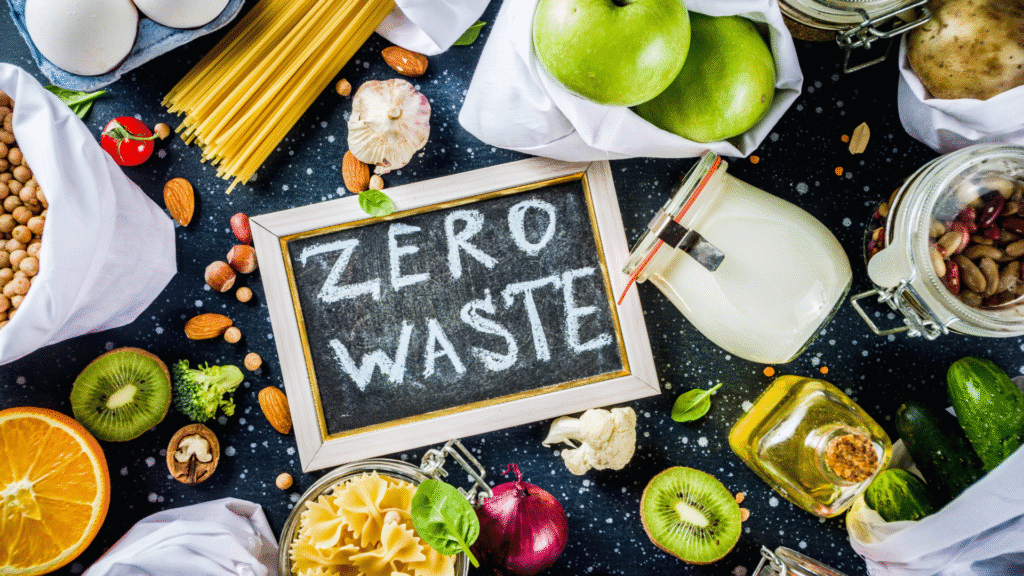
How to Reduce Food Waste with Weekly Prep for Efficient Meal Planning and Savings

Meal Prep Strategies That Save Time and Money for Busy Weekdays and Budget-Friendly Living
