
Why Your Brain Craves Mood-Boosting Foods When Emotions Run High
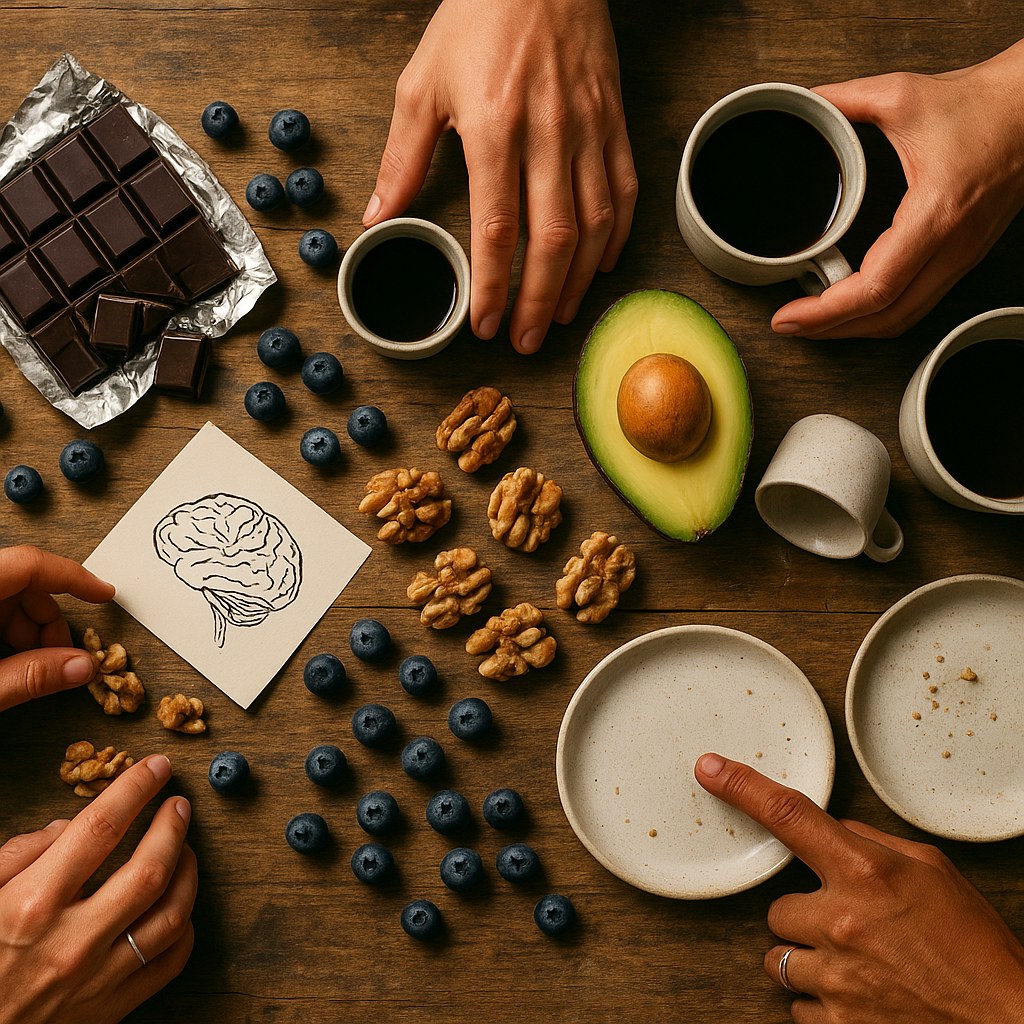
Ever noticed how a bad day sends you rummaging through the cupboards for something chocolatey, salty, or carby? That’s not just a lack of willpower; it’s your brain running on ancient wiring. When emotions spike, your grey matter demands specific nutrients to regulate stress hormones, manufacture feel-good neurotransmitters, and stabilise blood sugar. Understanding why this happens—and which foods genuinely support emotional wellbeing—can transform your relationship with eating from one of guilt to one of genuine self-care.
The science behind food and mood has moved well beyond old wives’ tales. Nutritional psychiatry, a field championed by researchers at Harvard Medical School and the National Center for Biotechnology Information, now demonstrates that what we eat directly influences the structure and function of our brains. With depression and anxiety affecting approximately 300 million people globally, the connection between diet and mental health has never been more relevant—or more actionable.
The Gut-Brain Highway: Why Emotions Start in Your Stomach
Your digestive system contains roughly 100 million neurons—more than your spinal cord. This “second brain,” or enteric nervous system, produces about 95% of your body’s serotonin, the neurotransmitter responsible for feelings of wellbeing and happiness. When you’re stressed or anxious, your gut bacteria communicate directly with your brain via the vagus nerve, creating those unmistakable “butterflies” or that sinking feeling.
Research published in Psychosomatic Medicine indicates that people with depression often have altered gut microbiomes compared to those without. This bidirectional relationship means that chronic stress can damage beneficial gut bacteria, while poor diet choices can perpetuate inflammation that worsens mood disorders. It’s a vicious cycle, but one that specific nutrients can help break.
What Does “Stress Eat” Actually Mean?
Stress eating—also called emotional eating—refers to consuming food in response to feelings rather than physical hunger. When cortisol (your primary stress hormone) floods your system, it triggers cravings for foods high in fat and sugar. These foods temporarily dampen the stress response in the brain’s amygdala, creating a fleeting sense of calm. The problem? This relief lasts mere minutes, often followed by guilt or a blood sugar crash that leaves you feeling worse.
Unlike physical hunger, which develops gradually and can be satisfied by various foods, emotional hunger strikes suddenly and demands specific comfort foods—usually the ultra-processed varieties that light up reward centres like a pinball machine.
Mood-Boosting Foods That Actually Work
Certain foods contain compounds that support neurotransmitter production, reduce inflammation, and stabilise energy levels. Here are the heavy hitters backed by research:
Omega-3 Rich Fatty Fish
Salmon, mackerel, and sardines provide EPA and DHA, essential fats that form the building blocks of brain cells. A study in the Journal of Clinical Psychiatry found that omega-3 supplementation significantly reduced symptoms in patients with major depressive disorder. Aim for two portions weekly, or consider algae-based supplements if you follow a plant-based diet. When preparing these delicate proteins, seasoning like a professional chef ensures you enhance rather than overpower their natural flavour.
Fermented Foods for Gut Health
Kimchi, kefir, sauerkraut, and live yoghurt contain probiotics that support a healthy microbiome. Research from University College Cork suggests that these “psychobiotics” may reduce anxiety and cortisol levels. Even a daily serving of live yoghurt can make a difference to your gut flora diversity.
Complex Carbohydrates
Oats, quinoa, and sweet potatoes provide steady glucose release, preventing the energy crashes that trigger irritability. They also help tryptophan—an amino acid precursor to serotonin—cross the blood-brain barrier more effectively. This explains why you crave carbs when stressed; your brain genuinely needs them, just the right types.
Dark Chocolate and Berries
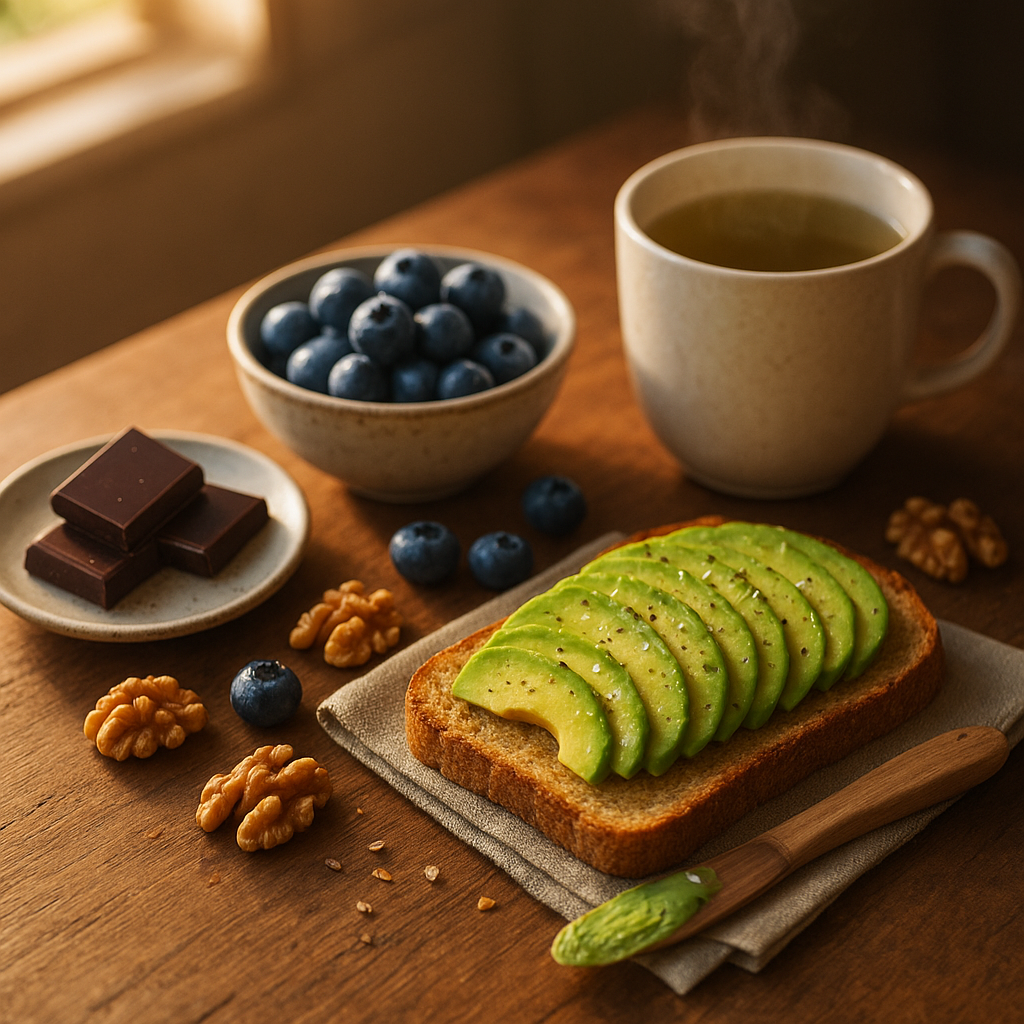
Rich in flavonoids, dark chocolate (70% cocoa or higher) improves blood flow to the brain and reduces stress hormones. Blueberries contain anthocyanins that protect against oxidative stress. A study from the University of Reading found that wild blueberry consumption improved mood in children and young adults within two hours of consumption.
Understanding the 3-3-3 Rule for Eating
You might have encountered the 3-3-3 rule as a grounding technique for anxiety—naming three things you see, three sounds you hear, and moving three body parts. However, in nutritional contexts, this principle sometimes refers to a balanced eating framework: consuming three macronutrients (protein, healthy fats, complex carbohydrates) at three meals daily, with three hours between eating occasions to stabilise blood sugar.
While not a rigid clinical guideline, this approach prevents the extreme hunger that leads to emotional eating. When blood sugar plummets, the brain panics, interpreting the dip as a threat to survival. This triggers cortisol release and intense cravings for quick energy—usually in the form of refined sugars. By eating balanced meals at regular intervals, you maintain the steady glucose supply your brain requires for emotional regulation.
Why Is Food the Only Thing That Makes Me Happy?
If you find that only food provides comfort, you’re not alone—and you’re not broken. This phenomenon often indicates that your brain has formed strong neural pathways linking eating with dopamine release. In our modern environment of hyper-palatable foods, these pathways can become dominant, particularly if other sources of pleasure or stress relief feel inaccessible.
Chronic stress depletes dopamine and serotonin, leaving you searching for external ways to trigger these chemicals. Food offers an immediate, reliable hit. However, this reliance can mask underlying issues such as depression, unresolved trauma, or nutrient deficiencies. It’s worth examining whether you’re truly hungry or simply seeking stimulation, comfort, or a momentary escape from difficult emotions.
Building a broader “emotional regulation toolkit” helps. This might include brisk walking (which boosts endorphins), creative activities, or social connection—all of which stimulate similar neurochemical pathways without the subsequent crash. Additionally, developing enjoyable kitchen habits can transform meal preparation from a chore into a therapeutic practice that supports your wellbeing.
Mood-Boosting Foods for Anxiety
Anxiety often manifests physically: racing heart, shallow breathing, muscle tension. Specific nutrients help calm the nervous system:
- Magnesium-rich foods: Spinach, pumpkin seeds, and dark chocolate support GABA function, a neurotransmitter that acts like a natural brake on anxiety
- Zinc sources: Oysters, beef, and cashews modulate the brain’s response to stress
- Chamomile and green tea: Contain L-theanine and apigenin, compounds that promote relaxation without sedation
- Turmeric: Curcumin reduces inflammation in the brain associated with anxiety disorders
How to Stop Compulsive Stress Eating
Breaking the stress-eating cycle requires addressing both the physiological and psychological triggers. Here are evidence-based strategies:
Implement the “Pause and Identify” Technique
When cravings strike, wait ten minutes. Ask yourself: “Am I physically hungry, or am I feeling anxious, bored, or lonely?” Physical hunger builds gradually and accepts various foods; emotional hunger is urgent and specific.

Stabilise Your Blood Sugar
Eat protein and fibre at every meal to prevent the energy crashes that trigger cortisol spikes. An apple with almond butter beats a biscuit for sustained energy.
Practice “Urge Surfing”
Cravings peak and subside like waves. Notice the physical sensations of the urge without acting on it. Typically, the intensity diminishes within 15-20 minutes.
Address the Root Cause
If stress stems from work overload, relationship issues, or financial worries, food won’t resolve these. Journalling, therapy, or problem-solving techniques target the actual source of distress rather than numbing it temporarily.
Good Mood Foods for Depression
While food alone cannot cure clinical depression, certain dietary patterns support treatment. The SMILES trial, published in BMC Medicine, demonstrated that a modified Mediterranean diet significantly improved depressive symptoms compared to social support alone. Key components included:
- Wholegrains (5-8 servings daily)
- Vegetables (6 servings daily)
- Fruit (3 servings daily)
- Legumes (3-4 servings weekly)
- Lean red meat (3-4 servings weekly)
- Olive oil (3 tablespoons daily)
These foods provide B vitamins (particularly folate and B12), zinc, and antioxidants that support methylation processes in the brain—biochemical reactions essential for neurotransmitter production.
Creating Your Emotional Eating Emergency Kit
Preparation prevents poor choices. Keep these accessible when emotions run high:
- Crunchy vegetables with hummus (satisfies the need to chew without the sugar crash)
- Greek yoghurt with berries (protein and probiotics for gut-brain support)
- Handful of walnuts (omega-3s and satisfying crunch)
- Dark chocolate-covered almonds (magnesium and controlled sweetness)
- Herbal tea (warmth and ritual without caffeine jitters)
Conclusion
Your brain’s cravings during emotional turmoil aren’t character flaws—they’re biological signals requesting specific nutrients to manage stress. By understanding the gut-brain connection, recognising the difference between physical and emotional hunger, and stocking your kitchen with genuine mood-boosting foods, you can nourish your mental health from the inside out.
Remember that sustainable change happens gradually. Start by adding one serving of fatty fish or fermented food to your weekly routine, or practice the ten-minute pause before stress eating. While nutrition plays a crucial role in emotional wellbeing, it works best alongside adequate sleep, regular movement, and professional support when needed. Your relationship with food should ultimately feel like a source of nourishment and pleasure, not conflict or guilt.
Related Posts
The Science Behind How We Taste and Perceive Flavour