The Benefits of Freezer Meal Prepping: Save Time, Reduce Waste, and Eat Healthier
Freezer meal prepping offers a practical solution for those seeking to streamline their cooking routine while maintaining healthy eating habits. By dedicating time to prepare and store meals in advance, individuals can save significant time during busy weeks where cooking might otherwise fall by the wayside.
Not only does this method facilitate healthier choices, it also helps in saving money by reducing the temptation to purchase takeaways or convenience foods. By planning and preparing meals ahead of time, individuals can leverage bulk buying and seasonal ingredients, making their grocery shopping more economical.
Incorporating freezer meals into one’s lifestyle promotes consistency in healthy eating without the daily stress of meal planning and cooking. This approach empowers individuals to enjoy home-cooked meals tailored to their dietary needs, leading to improved nutrition and well-being.
Planning and Organising Freezer Meals
Effective planning and organisation are essential for successful freezer meal prepping. By creating a structured approach, individuals can maximise efficiency and ensure a variety of nutritious options are readily available.
Creating a Meal Plan
A comprehensive meal plan serves as a blueprint for freezable meals. It is beneficial to incorporate a mix of proteins, vegetables, and grains to maintain nutritional balance.
Planning meals in weekly or monthly increments allows individuals to easily track which ingredients to use. Recipes that freeze well, such as casseroles, soups, and stews, can be included.
Using a template can help outline meals for each day, specifying portions and preparation methods. This clarifies what needs to be prepared each session, reducing food waste and ensuring variety.
Grocery Shopping Tactics
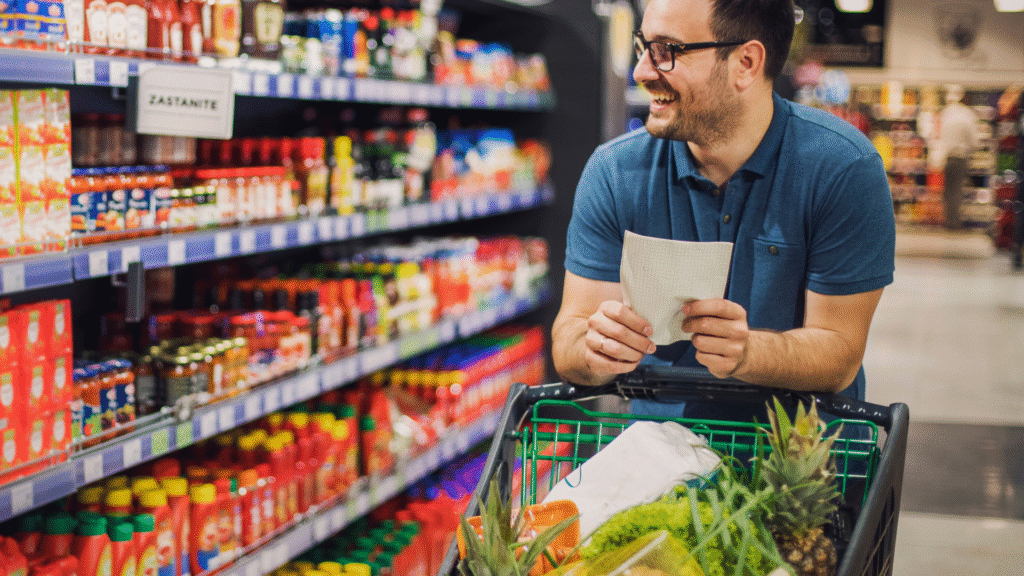
An organised grocery list streamlines the shopping experience. It is best to group items by category, such as produce, proteins, and pantry items. This reduces the time spent in-store and minimises impulse purchases.
Before shopping, checking pantry stocks can prevent buying unnecessary items. Additionally, purchasing in bulk can be cost-effective for freezeable items.
Choosing quality ingredients is vital, as fresh produce and meats enhance the meal’s flavour and nutrition. Utilising seasonal ingredients can also provide better options at lower prices.
Food Safety and Storage Solutions
Food safety is paramount in meal prepping. It is best to follow the “first in, first out” principle so that older meals are consumed first, reducing the risk of spoilage.
Using airtight storage containers is crucial for preserving the quality of frozen meals. Labelling containers with dates and contents ensures easy identification and tracking.
Freezing meals promptly after preparation helps maintain freshness. Avoiding thawing and refreezing items is important to prevent bacterial growth. Keeping the freezer at a stable temperature ensures optimal safety and quality of meals.
Health and Nutrition Benefits
Freezer meal prepping offers significant advantages in health and nutrition. By enabling portion control and diet management, it helps individuals maintain their nutritional goals. Additionally, it allows for careful selection of ingredients, which sustains healthy eating habits tailored to personal needs.
Portion Control and Diet Management
Freezer meals facilitate effective portion control, which is essential for managing caloric intake. By dividing meals into individual portions before freezing, individuals can prevent overeating. This practice also supports weight loss goals while promoting mindful eating.
Each serving becomes a balanced meal, rich in essential nutrients. Knowing the precise amount consumed reduces the likelihood of impulsive eating decisions. Freezer meal prepping allows individuals to adhere to specific dietary requirements while maintaining enjoyment in meals.
The Importance of Healthy Ingredients
Choosing healthy ingredients is vital in freezer meal prepping. Preparing meals at home with quality components ensures that meals are nutrient-dense. Incorporating legumes, whole grains, and a variety of vegetables enhances nutritional content significantly. Such ingredients contribute to a balanced diet, supporting both physical and mental health.
Individuals can avoid preservatives and unhealthy additives often found in commercial frozen meals. This control over ingredients aids in dietary compliance and can improve overall wellbeing. Balanced meals contribute to sustained energy levels and better mood regulation.
Customising Meals for Nutritional Needs
Freezer meal prepping allows for the customisation of meals to meet specific nutritional requirements. Individuals can cater meals to their needs, whether for allergies or dietary preferences like vegetarian or gluten-free options.
This tailored approach ensures that meals provide adequate proteins, fats, carbohydrates, vitamins, and minerals. It simplifies sticking to a diet plan by offering a ready supply of meals that align with personal health objectives. Customising meals promotes satisfaction and enjoyment while meeting health goals.
Efficient Cooking Techniques
Utilising effective cooking techniques can greatly enhance the meal prepping process. Strategies like batch cooking and proper vegetable and protein preparation lead to more organised and efficient meal planning.
Batch Cooking and Meal Variations
Batch cooking involves preparing large quantities of food at once, which simplifies the cooking process during the week. By dedicating a day to cook numerous portions of grains, beans, and proteins, individuals can create a base for several meals.
For instance, cooking a large pot of quinoa or rice can serve as a versatile side for different recipes throughout the week. Additionally, making variations of meals is easy; a basic stir-fry can transform by simply changing the sauce or adding different vegetables. This flexibility helps to keep meals interesting and prevents monotony.
Prepping Vegetables and Proteins
Preparing vegetables and proteins in advance can save time during the week. Chopping a variety of vegetables—such as bell peppers, carrots, and broccoli—into uniform pieces allows for quick use in multiple dishes.
Proteins, whether meat or plant-based, can also be cooked and portioned out. For a meatless Monday, incorporating beans or lentils can provide essential nutrients. By storing these ingredients in airtight containers, they remain fresh and ready to incorporate into meals as needed. This advance preparation streamlines the cooking process and ensures that balanced meals are easily accessible.
Sustainable Kitchen Practices
Sustainable kitchen practices play a crucial role in minimising food waste while maximising the benefits of meal prepping. By effectively utilising space in the freezer and optimising food usage, individuals can make more environmentally conscious choices.
Reducing Food Waste
Reducing food waste starts with careful planning. By preparing freezer meals, individuals can use ingredients before they spoil. For instance, if one has excess vegetables, they can be turned into soups or stews that freeze well.
Planning meals around what is already in the kitchen and incorporating leftovers into future meals ensures that less food goes to waste. A well-stocked freezer can hold various portions of cooked meals, fruits, and vegetables, reducing reliance on takeaways and convenience foods.
Freezing and Reusing Leftovers
Freezing and reusing leftovers is a strategic practice in sustainable cooking. When meals are prepared in larger quantities, any surplus can be divided into portions and frozen for later use. This approach not only saves time but also promotes healthy eating by having nutritious meals immediately accessible.
It is important to label containers with dates and contents to avoid confusion later. Freezing fruits and vegetables at their peak freshness preserves nutrients and prevents spoilage. By embracing this method, individuals can enjoy home-cooked, healthy meals while minimising food waste effectively.
Related Posts
How to Reduce Food Waste with Weekly Prep for Efficient Meal Planning and Savings

Meal Prep Strategies That Save Time and Money for Busy Weekdays and Budget-Friendly Living