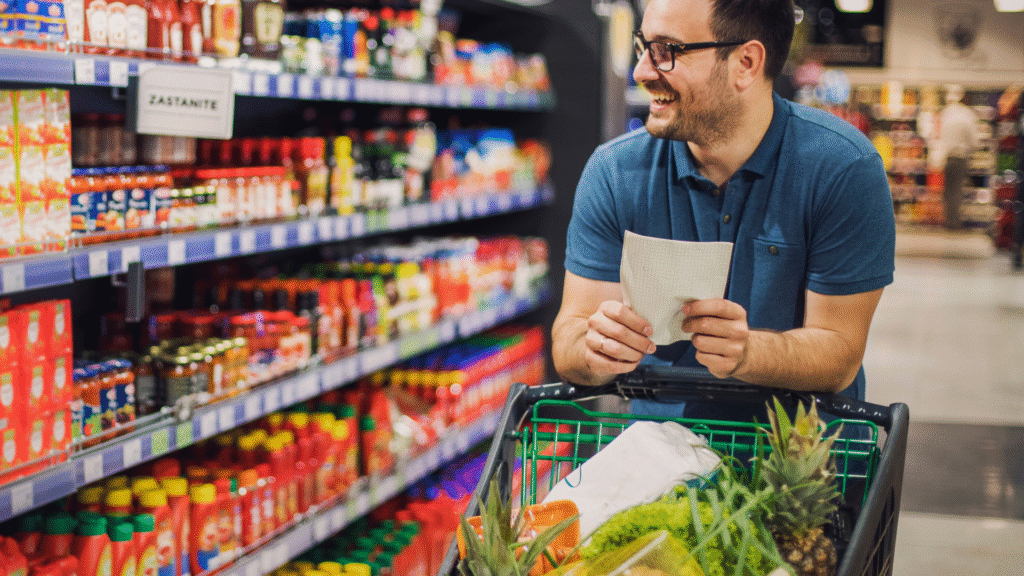
Why You Should Batch-Cook Meals: Save Time and Enhance Your Diet

Batch cooking is an effective strategy that can transform meal preparation and planning. By dedicating a few hours each week to cook and portion meals in advance, an individual can significantly save time during busy weekdays and ensure access to healthy meals. This approach not only simplifies daily routines but also promotes better eating habits.
With careful meal planning, one can create a variety of dishes that cater to personal tastes and dietary needs. This versatility makes it easier to maintain a balanced diet and reduce reliance on unhealthy takeaways or processed foods. Furthermore, batch cooking can be a cost-effective way to minimise food waste, as leftovers can be repurposed or stored for later use.
Incorporating batch cooking into a weekly routine can lead to a more organised kitchen and a calmer approach to meal times. By preparing meals in advance, individuals can focus more on enjoying their food and less on the stress of last-minute cooking decisions. This method fosters a sustainable lifestyle, making it easier to stick to health goals.
The Benefits of Batch Cooking
Batch cooking offers significant advantages, particularly in saving time and money while promoting healthier eating habits. By preparing meals in advance, individuals can enjoy nutritious options, control portion sizes, and reduce food waste.
Saving Time and Money
Batch cooking is a practical way to streamline meal preparation. By cooking larger quantities, individuals can spend less time in the kitchen on busy days. Planning meals ahead reduces the need for frequent grocery trips, which can save money spent on impulse purchases.
In addition, cooking in bulk allows for the purchase of ingredients in larger quantities, often at lower prices. For example, buying rice, beans, or vegetables in bulk can lead to substantial savings. This not only maximises budget efficiency but also ensures that meals are ready to go, reducing the temptation to order takeaways.
Healthier Eating
Preparing meals in advance enables individuals to make more nutritious choices. By batch cooking, one can focus on wholesome ingredients, such as fresh vegetables, lean proteins, and whole grains. This guarantees that meals remain balanced and healthy.
Portion control is another essential aspect of batch cooking. By deciding portion sizes during preparation, individuals can avoid overeating. This proactive approach to meal planning helps in maintaining a healthy diet and can be particularly beneficial for those looking to lose or manage weight.
Reducing Food Waste
Batch cooking contributes to minimising food waste. When individuals buy ingredients in bulk, they can use perishable items before they spoil. By planning meals, it becomes easier to incorporate leftover ingredients into new dishes.
Freezing excess portions is an effective strategy. For instance, soups, stews, or casseroles can be easily frozen and enjoyed at a later date. This not only saves time but also ensures that food is not wasted, benefiting both the household budget and the environment.
Mastering the Art of Meal Preparation
Effective meal preparation comprises strategic grocery shopping, practical cooking techniques, and appropriate storage solutions. Mastery in these areas can significantly streamline the cooking process and ensure freshness in meals.
Efficient Grocery Shopping
Efficient grocery shopping begins with creating a detailed shopping list based on planned meals. This helps avoid impulsive purchases and minimises food waste. Prioritising seasonal and local produce can also enhance meal quality and taste.
Utilising apps or websites to compare prices can lead to cost savings. Additionally, keeping a well-stocked pantry with essentials like grains, canned beans, and spices can expedite meal preparation. Knowing when to shop can avoid crowds; weekday evenings or early mornings often offer a quieter experience.
Meal Prep Techniques
Adopting effective meal prep techniques is key to maximising efficiency in the kitchen. Starting with batch cooking staple items, such as grains and proteins, allows for easy assembly of various meals throughout the week.
Using simple recipes that can be customised helps maintain variety, keeping meals interesting. Cooking in larger quantities saves time and energy while promoting healthier eating habits. Recognising cooking methods that retain flavour, like roasting or steaming, can enhance the final dish.
Proper Storage Solutions
Proper storage solutions are vital to keeping meals fresh and safe for consumption. Using airtight containers will help prevent spoilage and maintain flavour. Glass containers are often preferred, as they do not retain odours from previous meals and are microwave-safe.
Labelling containers with the meal’s name and preparation date can streamline meal selection. Ideally, cooked meals should be consumed within three to four days, while some items can be frozen for longer storage. Adequate organisation in the fridge and freezer will ensure that meals remain accessible and appealing.
Crafting Delicious and Convenient Batch-Cooked Meals
Creating meals ahead of time not only saves effort during busy days but also ensures a variety of flavours and nutrients. Focused on convenience, batch cooking includes options that are both satisfying and easy to prepare.
Casseroles and One-Pot Wonders
Casseroles and one-pot wonders are ideal for batch cooking. These meals merge flavours in a single dish, making them easy to prepare and store. Popular choices include cottage pie, shepherd’s pie, and lasagne.
To create a cottage pie, use minced beef, vegetables, and top it with creamy mashed potatoes. Alternatively, a shepherd’s pie can feature lamb for a richer taste. Lasagne layers pasta sheets with bolognese sauce and cheese, offering heartiness in every bite.
These dishes can be portioned and frozen, ready to be enjoyed whenever needed. They maintain their taste and texture well, making them an excellent choice for quick meals.
Hearty Soups and Stews
Soups and stews are quintessential options for batch cooking due to their warming and filling nature. A rich chilli or a robust ragu can easily be made in large quantities.
Chilli can be prepared with beans, tomatoes, and spices, simmering for maximum flavour. Ragu, typically made with minced meat, tomatoes, and herbs, creates a sauce perfect for pasta or as a base for other meals.
Hearty soups can include vegetables, lentils, or meats, and they freeze well. Portioning them into containers allows for easy reheating. These meals deliver warmth and comfort, ideal for those chillier days.
Versatile Main Courses
Main courses such as curries, pasta bakes, and other dishes can be made in bulk with ease. These meals can incorporate various ingredients, allowing for flexibility based on what is on hand.
Curries, whether made with chicken, lamb, or vegetables, can be spiced to individual preference. A pasta bake offers the same versatility, combining pasta, a sauce, and a topping for a satisfying meal.
Each of these main courses can be easily portioned and reheated. They provide convenience without sacrificing taste, ensuring that each meal remains enjoyable, no matter when it is served.
Tips for Optimising Your Batch-Cooking Routine
Efficient batch cooking involves thoughtful planning and execution. Focusing on utilising leftovers, proper storage methods, and maintaining dietary balance is key to maximising the benefits of this routine.
Repurposing Leftovers
Leftovers can be creatively transformed into new meals. Rather than sticking to the original dish, one can use leftover ingredients in different ways. For instance, roasted vegetables can be added to a stir-fry or blended into a soup.
Using grains like rice or quinoa as a base for salads helps diversify one’s meals. Wraps or sandwiches can also benefit from leftover proteins. This not only reduces waste but also adds variety to the weekly menu without requiring additional cooking time.
Freezing and Reheating Best Practices
To avoid food spoilage, it’s crucial to freeze meals properly. When freezing, use airtight containers or resealable bags to limit exposure to air. This helps maintain freshness and prevents freezer burn. It’s advisable to label containers with names and dates for easy identification.
When reheating food, ensure it reaches the correct temperature of 75°C (165°F) to eliminate any harmful bacteria. Moderate heating prevents drying out, especially in dishes rich in healthy fats like casseroles. A microwave or oven works best for most foods, but stovetops are ideal for soups and sauces to maintain texture.
Balancing Variety and Nutrition
A well-balanced diet includes a range of nutrients from various food groups. During batch cooking, it’s useful to include a mix of proteins, complex carbohydrates, and plenty of vegetables. This ensures that meals do not become monotonous and cater to different dietary needs.
Incorporating healthy fats, such as avocados or nuts, enhances the flavour and nutritional profile of meals. One should aim to vary the types of proteins and vegetables used in batch cooking. This keeps meals exciting and supports a diverse intake of vitamins and minerals essential for health.
Related Posts
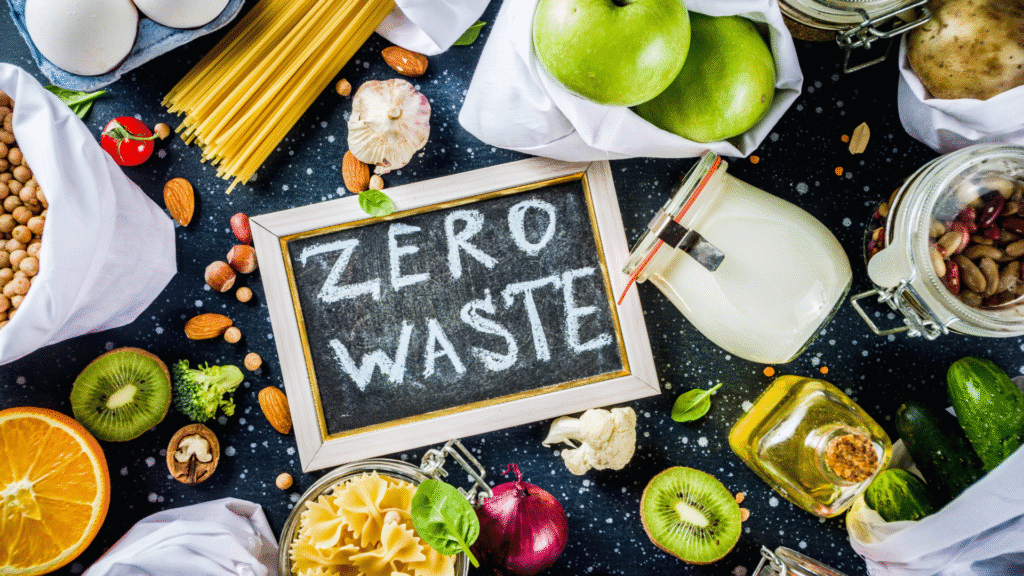
How to Reduce Food Waste with Weekly Prep for Efficient Meal Planning and Savings

Meal Prep Strategies That Save Time and Money for Busy Weekdays and Budget-Friendly Living