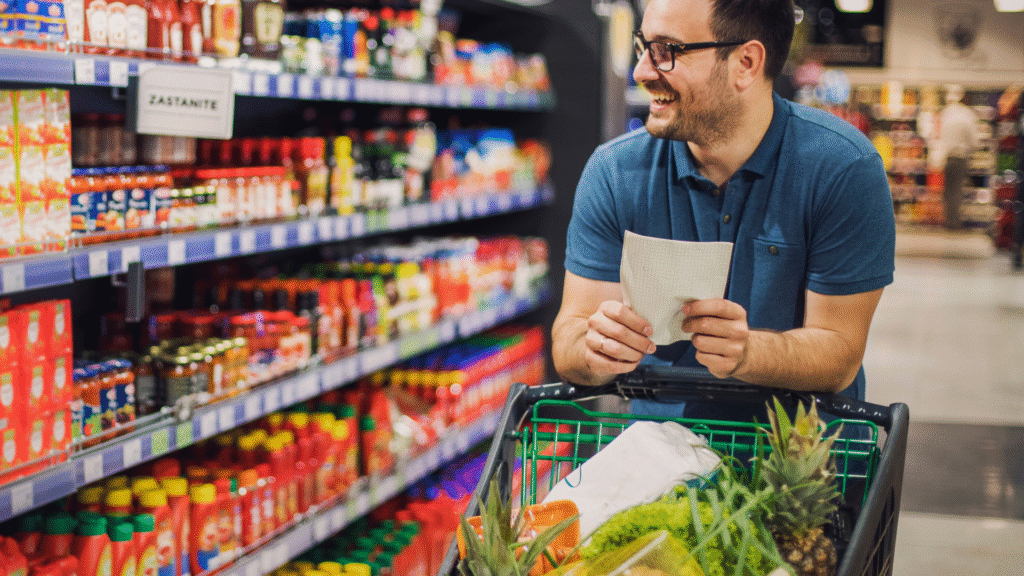
The Best Meal Planning Apps: Simplify Your Cooking and Grocery Shopping
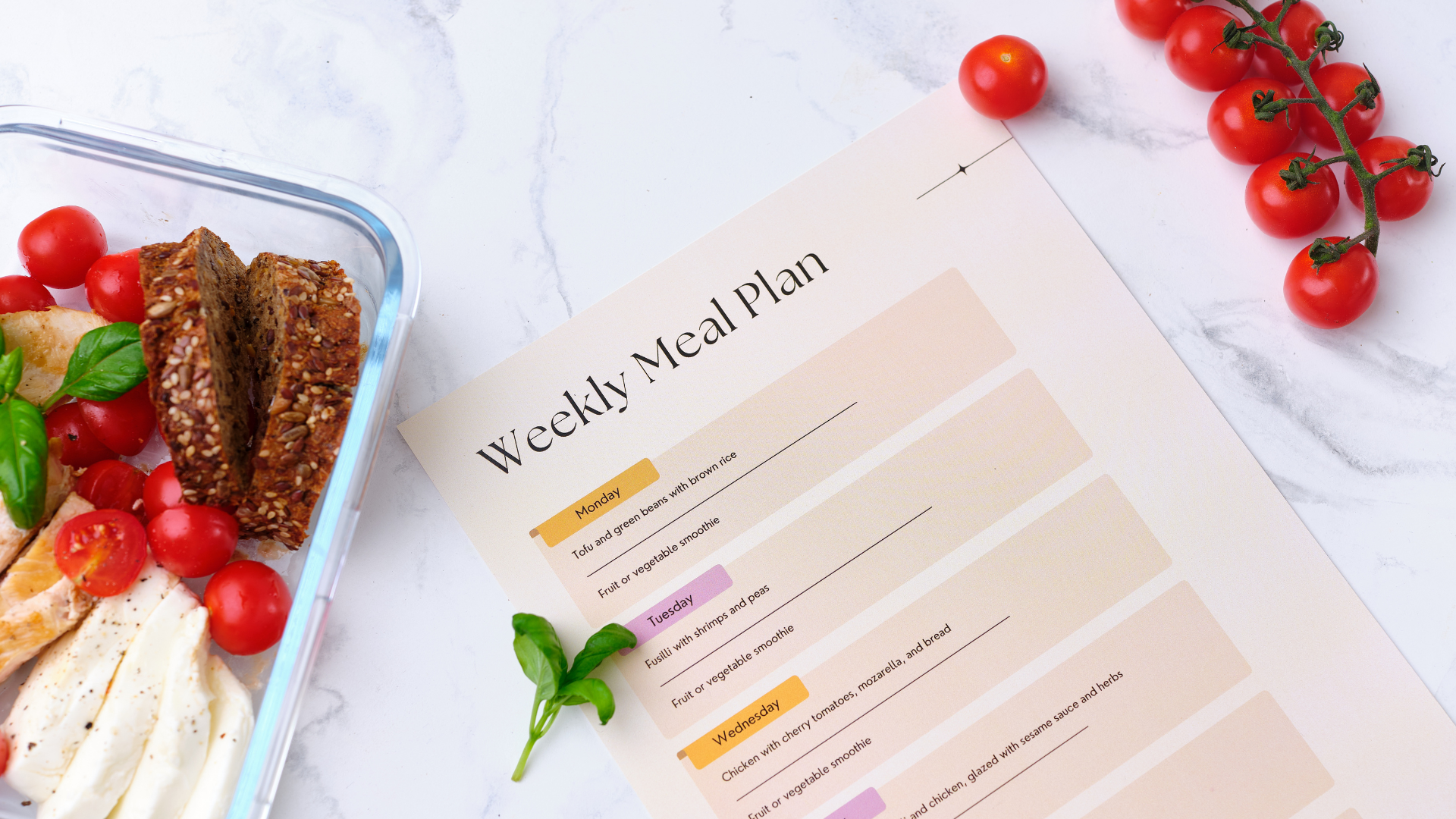
Busy lifestyles often make it challenging to maintain healthy eating habits. Meal planning apps can significantly simplify this task, allowing users to organise their meals, save time, and ensure they make healthier food choices. By leveraging technology, individuals can find effective solutions tailored to their nutritional needs and lifestyle preferences.
These apps provide various features, including recipe suggestions, grocery list management, and nutritional tracking. As a result, they help users stay on top of their dietary goals while reducing the stress associated with last-minute meal decisions. With the right app, individuals can foster healthier habits and enjoy the benefits of eating well without time-intensive planning.
Choosing the best meal-planning app can make a real difference. From enhancing productivity in the kitchen to encouraging better eating habits, these tools are invaluable for anyone looking to nourish themselves efficiently. Exploring the best options available will empower users to take control of their meal-planning journeys.
Essential Features of Top Meal Planning Apps
Meal planning apps can greatly enhance the cooking experience. Key features make these tools user-friendly and effective for managing meals, shopping lists, and dietary needs.
Recipe Databases and Customisation
A robust recipe database is fundamental. Users should have access to a wide variety of recipes catering to various dietary preferences, such as vegetarian, vegan, gluten-free, or low-carb options.
Customisation allows users to modify recipes, adjusting ingredients based on personal taste or dietary restrictions. The best apps often include features that suggest alternatives if a preferred ingredient is missing.
User-generated content can also enrich the experience. Allowing users to upload and share their own recipes fosters a community spirit.
Shopping Lists and Grocery Delivery Integrations
Grocery lists must simplify shopping. Top apps generate smart grocery lists based on selected recipes, ensuring users buy only what they need.
Integration with grocery delivery services like Instacart is increasingly common. These integrations allow users to order ingredients directly, saving time and effort.
Some apps also provide options to shop by pantry inventory, reducing waste. This feature allows users to track what they have at home and plan meals around available items.
Nutritional Information and Calorie Tracking
Nutritional information plays a crucial role in meal planning. Quality apps display calories and macronutrients for each recipe, helping users meet specific dietary goals.
Calorie tracking features enable users to adjust portions and ingredients to align with personal health objectives. Users can set their calorie goals, and the app will suggest recipes that fit these parameters.
The ability to log meals and snacks also enhances accountability. Many apps allow users to track their daily intake, providing insights into dietary habits over time.
User Interface and Experience
An intuitive user interface is vital for a successful meal-planning app. Users should navigate easily through menus and find recipes or lists with minimal effort.
Visual elements, such as appealing images of meals and straightforward icons, enhance usability. Clear categorisation of recipes and features aids in efficient meal planning.
User experience also extends to how information is presented. Well-structured layouts, with options to filter recipes by cooking time or dietary needs, significantly improve user satisfaction.
Comparing Popular Meal Planning Apps
Meal planning apps offer various features that cater to different needs. By comparing free versus premium features, diet support, and flexibility, users can identify which app aligns best with their requirements.
Free Versus Premium Features
Many meal-planning apps provide both free and premium versions. Free versions typically offer basic meal planning functionalities, recipe storage, and grocery list generation. For example, Mealime allows users to create simple meal plans at no charge while also offering a premium subscription for advanced features like nutrition tracking and customised meal plans.
Premium services often include enhanced features such as personalised meal recommendations, dietary restriction support, and shopping list integration. Apps like Plan to Eat and eMeals charge a subscription fee for these benefits, providing users with a more tailored experience. Thus, the choice between free and premium may hinge on an individual’s specific meal planning needs and budget.
Specialised Diet Support
Dietary restrictions and preferences play a crucial role in meal planning. Apps like Yummly excel in offering recipes that cater to diverse dietary needs, including plant-based, gluten-free, and low FODMAP options. Users can filter recipes according to specific restrictions, making it easier to find meals that suit their lifestyles.
PlateJoy stands out for its tailored meal plans based on users’ health goals and dietary requirements. For families, Cozi Family Organizer helps manage meal preferences across different members, streamlining family meal planning. Therefore, users should evaluate how well each app addresses their specific dietary needs.
App Flexibility and Personalisation
Flexibility and personalisation are vital for effective meal planning. Paprika allows users to save favourite recipes and create customised meal plans, giving individuals control over their cooking. Prepear enables the social sharing of meal ideas, which adds a collaborative dimension to planning.
Other apps, like BigOven and MealPrepPro, offer extensive libraries of recipes, allowing flexible meal choices. For tailored experiences, MealBoard integrates pantry management into meal planning, ensuring users make the most of their ingredients. Assessing personalisation options can influence the overall user experience and satisfaction.
Maximising Benefits Through Meal Planning
Meal planning offers numerous advantages, including effective budgeting, minimising food waste, and contributing to health and weight loss objectives. Individuals can tailor meal schedules to suit personal dietary needs, enhancing convenience while fostering healthy eating habits.
Budgeting and Reducing Food Waste
Effective meal planning helps in adhering to a budget by allowing individuals to purchase only necessary items. Creating a shopping list based on planned meals reduces impulse buying and unnecessary purchases.
Top budgeting tips:
- Plan meals for the week to ensure all ingredients are used.
- Utilise leftovers creatively in new dishes.
- Buy in bulk for frequently used items to save costs.
Meal planning significantly reduces food waste. By preparing balanced meals, individuals can make the most of perishable items before they spoil. This not only conserves resources but also promotes sustainable living.
Accommodating Health and Weight Loss Goals
Meal planning can significantly assist those aiming for weight loss or managing specific health conditions. By preparing meals ahead of time, individuals have better control over portion sizes and nutritional content.
Options can be tailored to support health goals such as:
- Balanced meals are rich in lean proteins and vegetables.
- Dietary restrictions for gluten-free or low-carb diets.
- Intermittent fasting schedules can be more easily followed with planned meals.
Incorporating nutritious ingredients consistently promotes sustained energy levels and supports fitness routines. A well-structured meal plan enables individuals to avoid unhealthy snacking and opt for wholesome choices.
Incorporating Meal Planning Into Lifestyle
Integrating meal planning into daily life can lead to significant improvements in eating habits. Individuals can set aside dedicated time each week for meal prep, making it a part of their regular routine.
Practical strategies include:
- Setting a meal prep day for comprehensive cooking.
- Keeping an organised recipe collection to streamline planning.
- Using the best meal planning apps for easy access to recipes and shopping lists.
Establishing a meal planning routine can align with exercise goals. When meals are prepped and readily available, individuals are more likely to stay committed to their health objectives, including diabetes prevention and maintaining healthy eating patterns.
Innovations and Trends in Meal Planning Technology
Recent advancements in meal planning technology focus on enhancing user experience through community engagement and integration with health systems. By leveraging digital tools, individuals can now access more personalised and efficient meal-planning solutions.
The Role of Community and Support
Community engagement has become increasingly vital in meal-planning apps. Many platforms incorporate features that allow users to share their experiences, recipes, and tips, fostering a support network.
For instance, apps like Cozi Recipe Box often include forums or social media groups where users can interact. These communities provide motivation, share meal prep recipes, and encourage adherence to diet meal plans.
Additionally, Facebook communities centred around specific apps or meal-planning topics have emerged. Members share insights and challenges, thus enhancing accountability. This supportive environment is valuable for those trying to navigate dietary restrictions or calorie counting.
Integrations with Health and Fitness Ecosystems
Meal planning apps are increasingly integrating with broader health and fitness ecosystems. This connectivity allows users to streamline their nutrition alongside fitness goals.
Apps like Lasta, for example, synchronise with calorie counters and fitness trackers. Such integration enables users to align their meal plans with individual dietary needs and fitness regimes.
Digital pantries help users manage inventory, reducing food waste and optimising grocery delivery services. When combined with health data, users can create tailored diet meal plans that cater to their unique preferences and requirements.
These advancements signal a shift towards a holistic approach, making nutrition management seamless and more effective for users.
Related Posts
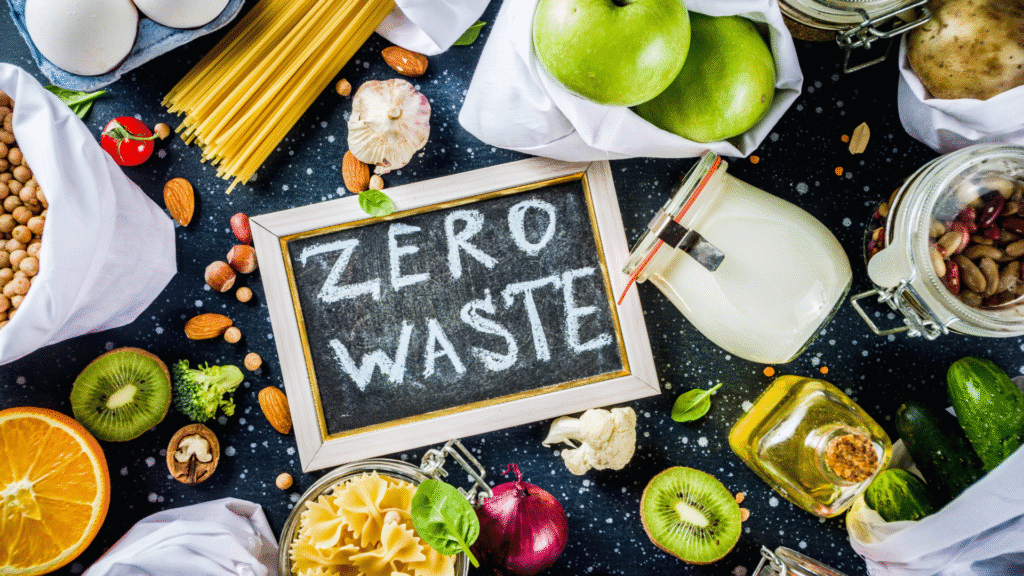
How to Reduce Food Waste with Weekly Prep for Efficient Meal Planning and Savings

Meal Prep Strategies That Save Time and Money for Busy Weekdays and Budget-Friendly Living