
Meal Prep Strategies That Save Time and Money for Busy Weekdays and Budget-Friendly Living
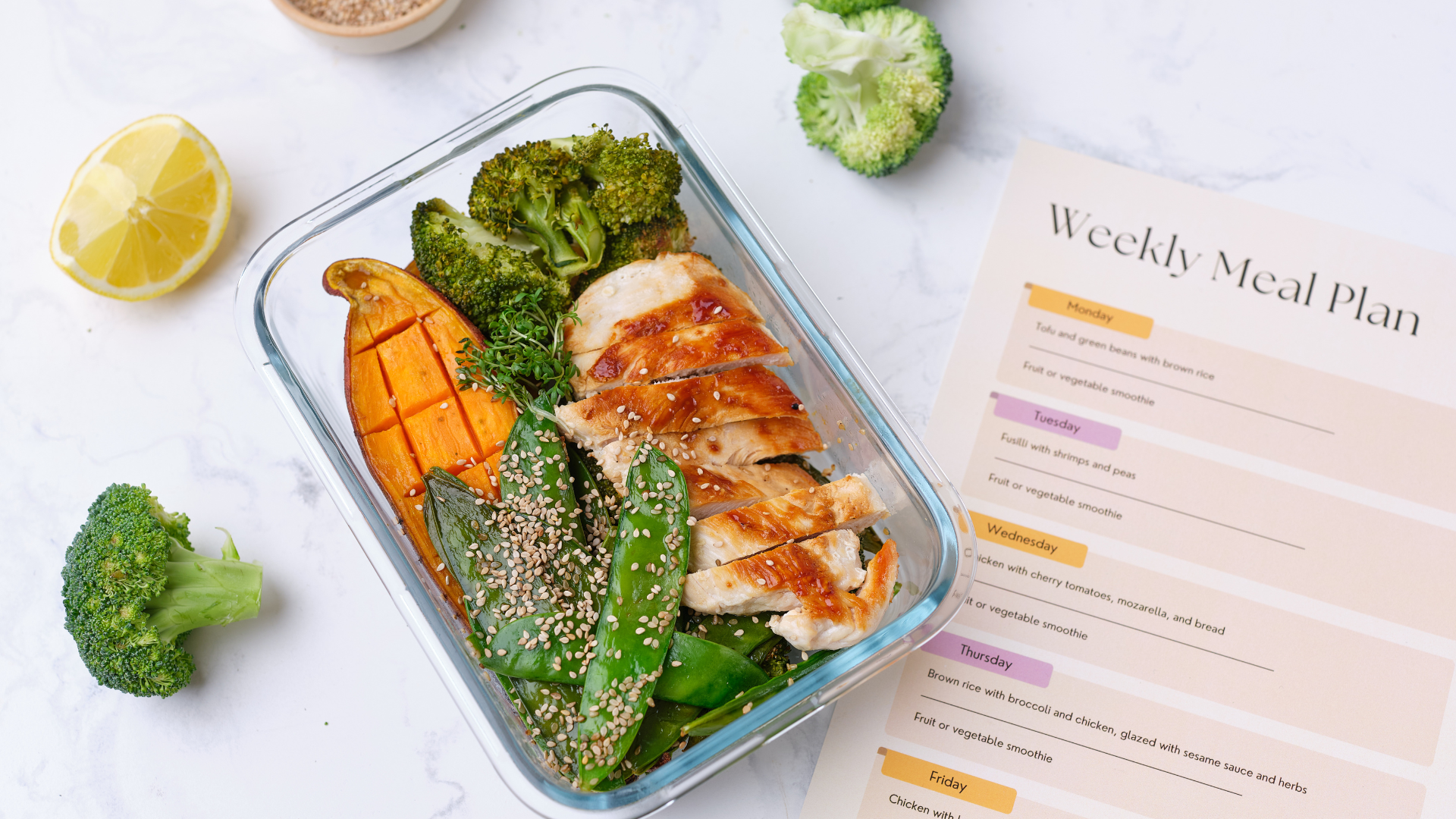
Meal prepping can help reduce both food waste and the time spent cooking during busy weekdays. By planning meals ahead and buying ingredients in bulk, it is possible to stretch a budget further without sacrificing nutrition or variety.
Effective meal prep strategies streamline cooking and shopping, saving time and money by minimising last-minute decisions and impulse buys. These approaches include batch cooking staple ingredients and repurposing leftovers creatively, which cuts down the need for daily cooking.
Adopting simple, consistent habits around meal prep makes it easier to maintain a balanced diet and control portion sizes. This method also supports making healthier choices, as meals are thoughtfully prepared rather than grabbed on the go.
Core Meal Prep Strategies for Saving Time and Money
Efficient meal preparation relies on clear planning and optimised cooking practices. By organising meals, cooking in bulk, using leftovers wisely, and preparing ingredients ahead, time and money are saved throughout the week.
Effective Meal Planning Techniques
Meal planning involves selecting recipes and ingredients to cover several days, reducing impulsive purchases and minimising food waste. It is important to create a detailed shopping list based on planned meals to avoid buying unnecessary items.
Using seasonal and staple ingredients in multiple dishes cuts grocery costs. For example, chicken breast can be roasted for one meal and shredded for salads or wraps later. Planning meals with similar ingredients also streamlines grocery shopping and meal prep.
Daily portion sizes should match household needs, preventing overbuying. Digital tools or handwritten planners help track meals and shopping, ensuring nothing goes unused. Effective meal planning prioritises simplicity, variety, and cost-effectiveness.
Batch Cooking Fundamentals
Batch cooking means preparing large quantities of meals or components at once to consume over several days. This method saves cooking time and energy. Examples include making a big pot of stew, cooking rice in bulk, or roasting multiple trays of vegetables.
Using airtight containers for storing batch-cooked food in the fridge or freezer extends freshness and convenience. Divide meals into single portions to facilitate reheating and reduce waste. Avoid overcomplex recipes; simple dishes with long shelf lives usually work best.
Batch cooking also supports budget control by allowing purchases in bulk, which are often cheaper. It reduces reliance on takeaways and fast food by ensuring ready-to-eat meals are always available.
Utilising Leftovers for Multiple Meals
Leftovers are a crucial resource for saving money and reducing food waste. Transforming yesterday’s dinner into today’s lunch or repurposing ingredients into new recipes maximises their value. For instance, leftover roast vegetables can be added to omelettes, soups, or sandwiches.
Storing leftovers properly in clear containers helps identify items quickly, preventing spoilage. Label leftovers with dates to prioritise consumption. Reheating should be done safely to maintain food quality.
Creative meal ideas using leftovers extend variety without extra shopping. Keeping a list of flexible meals that take advantage of common leftovers sustains both time and money savings over the long term.
Time-Saving Ingredient Preparation
Preparing ingredients in advance reduces daily cooking time significantly. Techniques include washing and chopping vegetables, pre-cooking grains, or marinating proteins ahead of time. This strategy allows faster assembly of meals during busy days.
Organising ingredients into portioned containers or bags facilitates quick access. For instance, pre-cut vegetables stored in the fridge cut down preparation time by minutes for every meal cooked. Similarly, cooking large batches of rice or pasta and freezing them in portions accelerates meal assembly.
Preparation must be matched with proper storage methods to avoid spoilage. Using airtight containers and maintaining fridge temperature optimises shelf life and food safety. This consistent approach cuts both active cooking time and food wastage effectively.
Smart Shopping and Pantry Management
Effective meal prep starts with planning purchases carefully and organising the pantry efficiently. Focusing on specific ingredient choices and smart buying habits can reduce waste and lower costs while maintaining the quality of healthy meals.
Creating and Using a Shopping List
A detailed shopping list prevents impulse buys and forgotten essentials. It should include lean proteins, fresh and frozen vegetables, and staple pantry items. Grouping items by store section speeds up shopping trips.
Using a running list on a phone app or a notepad helps track pantry levels and plan meals. Reviewing the list before shopping avoids duplicate purchases and excess food waste. Consistency in updating the list streamlines meal prep routines.
Choosing Seasonal and Budget-Friendly Ingredients
Seasonal fruits and vegetables cost less and taste better. Choosing in-season options like tomatoes or leafy greens supports budget-friendly cooking with fresh flavours. Frozen vegetables are a practical alternative when fresh options are out of season.
Selecting local produce often reduces costs and carbon footprint. Prioritising lean proteins such as chicken, beans, or eggs adds nutrition without overspending. Combining seasonal produce with lean protein keeps meals balanced and affordable.
Bulk Buying and Food Storage Tips
Bulk buying staple items like rice, pasta, and canned goods lowers per-unit costs. It is important to verify expiry dates and establish portion sizes to avoid spoilage. Buying lean proteins in bulk and freezing portions extends shelf life while maintaining quality.
Proper food storage, such as airtight containers and vacuum sealing, preserves freshness. Label items clearly with purchase or freezing dates to use older products first. Organising the pantry by expiry helps reduce food waste and keeps meal prep efficient.
Incorporating Variety, Health, and Flexibility
Balancing taste, nutrition, and convenience improves meal prep success. Choosing adaptable recipes, setting clear food goals, and adjusting plans for lifestyle needs can make meal prepping effective and sustainable.
Achieving Food Goals Through Meal Prep
Meal prep helps meet specific food goals by controlling portion sizes and selecting nutrient-dense ingredients. It allows individuals to prioritise protein intake, manage calories, or increase vegetable consumption with precision.
Planning meals around goals can involve using bulk-cooked grains, lean meats, and seasonal vegetables. Tracking macros or calories becomes easier with pre-portioned containers. Consistency also supports long-term health objectives, such as weight management or improving energy levels.
Incorporating Stir-Fries and Other Versatile Dishes
Stir-fries serve as quick, adaptable meals central to saving time and reducing waste. They enable varied combinations of proteins, vegetables, and sauces, facilitating both taste and nutrition.
Cooking a large batch of stir-fry ingredients can be portioned throughout the week with different seasonings. This approach ensures healthy meals remain interesting without requiring many new ingredients or extensive prep.
Other versatile dishes like soups or grain bowls can also provide flexibility. These options allow easy swaps and ingredient substitutions according to preference or availability.
Meal Prep Adaptations for Different Lifestyles
Meal prep strategies vary based on work schedules, family size, and dietary requirements. For busy professionals, batch cooking meals that heat quickly supports convenience and healthy eating.
Families might prepare components separately, such as proteins and carbs, allowing members to customise their plates. Vegetarians and those following specific diets benefit by planning protein sources like legumes or tofu ahead.
Flexibility in meal prep accommodates unplanned changes. Keeping staples like frozen vegetables and cooked grains on hand allows quick meal assembly without sacrificing nutrition or variety.
Related Posts
How to Reduce Food Waste with Weekly Prep for Efficient Meal Planning and Savings

Smart Shopping Tips For Successful Meal Planning To Save Time And Money
