
How to Reduce Food Waste with Weekly Prep for Efficient Meal Planning and Savings
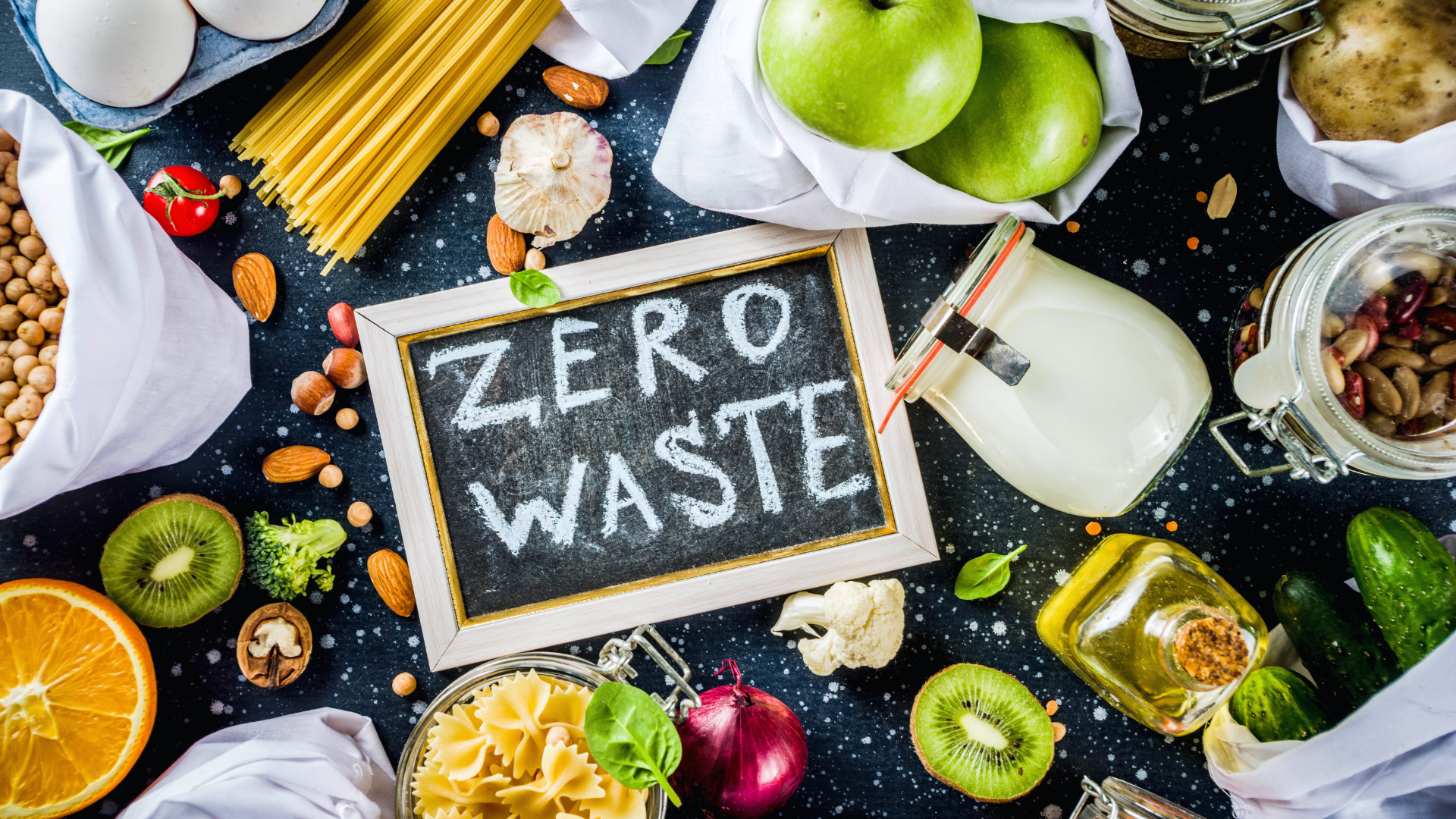
Reducing food waste starts with planning and preparation. Weekly meal prep helps by organising ingredients and portions ahead of time, which cuts down the chance of food spoiling before use. By dedicating time each week to prep meals and ingredients, people can significantly reduce food waste in their homes.
This approach not only saves money but also reduces the environmental impact of wasted food. When meals are ready or partly prepared, it encourages mindful consumption and helps avoid last-minute takeaways or unnecessary purchases.
Understanding how much food is needed and using leftovers creatively are key parts of weekly prep. It ensures that food is used efficiently, limiting the amount thrown away and making better use of what is bought.
Core Strategies to Reduce Food Waste with Weekly Prep
Effective food waste reduction starts with a solid approach to what is already in the kitchen and how new food is bought and used. Planning meals, shopping smartly, and managing food systematically can save money while ensuring less food goes unused.
Assessing and Auditing Your Kitchen Inventory
The first step involves checking all food items, including perishables and pantry staples. This audit helps identify what needs to be used soon and prevents buying duplicates. It’s useful to note expiry dates and the condition of leftovers or opened packages.
Keeping an up-to-date inventory list on a phone app or notebook streamlines this process. Knowing exactly what is available makes creating a weekly meal plan simpler and more accurate, helping to optimise ingredients before they spoil.
Building a Smarter Shopping List
A well-constructed shopping list is based on the kitchen audit combined with planned meals. This prevents impulse buys and focuses on quantities that match the weekly meal plan. It also encourages purchasing versatile ingredients used in multiple recipes.
The list should categorise items by store sections to speed up shopping and reduce temptation to buy unnecessary products. Adding only what is needed for specific meals reduces food surplus and saves money at checkout.
Using the FIFO (First In, First Out) Method
FIFO is a straightforward system where older food items are used before newer ones. This method helps prevent food from expiring unused by keeping frequently used products visible and accessible.
Storing items with clear dates and organising shelves so that older goods are front and centre supports FIFO. This strategy is especially effective for perishables like dairy, produce, and meats, ensuring freshness is prioritised in weekly meal preparation.
Incorporating Leftovers into Your Plan
Including leftovers in a weekly meal plan reduces waste significantly. Planning specific days or meals for consuming leftovers avoids throwing out uneaten food.
Leftovers can be repurposed into new dishes, such as soups, stir-fries, or salads, stretching ingredients further. Keeping track of what remains and planning recipe ideas around it complements the meal planning routine and maximises value from every grocery trip.
Practical Meal Prep Techniques for Minimising Waste
Efficient meal preparation focuses on maximising ingredient use, controlling portions, and storing food correctly. These strategies prevent spoilage and reduce leftovers that often end up discarded.
Batch Cooking and Multi-Use Ingredients
Batch cooking helps streamline the meal prep routine by preparing large portions of staple ingredients like rice, quinoa, or soups. Cooking grains and proteins in bulk allows easy assembly of multiple meals, such as grain bowls or salads, throughout the week.
Choosing multi-use ingredients, such as roasted vegetables or cooked legumes, helps avoid waste by incorporating them into different dishes. For example, roasted vegetables can be used in salads one day and added to soups or stir-fries the next.
Planning meals around pantry staples ensures flexibility, reducing the chance of forgotten ingredients spoiling. Label cooked batches with dates to ensure food safety and rotate older items to the front.
Proper Portion Control and Sizing
Controlling portion sizes during meal prep limits uneaten food and leftovers. Using smaller portions for staples like rice or quinoa can prevent serving more than needed, which often leads to waste when food isn’t finished.
Measuring ingredients before cooking helps maintain consistency and avoids over-preparation. Reusable meal prep containers with sectioned compartments support portion control by separating food types and preventing mixing that can lead to faster spoilage.
Adjusting portion sizes based on appetite or nutritional needs helps tailor meals, reducing the need to discard excess food. Serving smaller portions and saving extras for later meals is more sustainable than preparing large meals that may not be consumed.
Mastering Food Storage and Containers
Proper storage is critical for extending the freshness of prepped meals. Airtight containers preserve moisture and prevent contamination, reducing spoilage in foods like soups and salads.
Reusable containers with clear lids or labels allow for quick identification and effective organisation in the fridge or freezer. Different containers can be designated for specific meal components such as grains, proteins, or vegetables, maintaining quality over several days.
Temperature control is essential; always cool hot foods before storing to avoid condensation. Using vacuum-sealed bags or containers optimises shelf life for bulk-cooked staples. Prioritising food safety ensures that meals remain edible, reducing waste from spoilage.
Creative Approaches for Repurposing and Zero-Waste Preparation
Efficient weekly food prep involves turning potential waste into valuable meals and products. Making use of vegetable scraps, leftovers, and seasonal produce reduces waste and maximises resources. Techniques like slow cooker or pressure cooker recipes help extend use and maintain nutrition.
Transforming Leftovers into New Meals
Leftovers can be repurposed into fresh, enjoyable dishes rather than being discarded. For example, cooked rice from dinner can become a base for fried rice or a filling in breakfast burritos.
Using a slow cooker or pressure cooker enables the transformation of tougher leftover meats into tender stews or soups. This method enhances flavour, while reducing waste.
Small portions of protein, vegetables, and grains can be combined into meals like frittatas, casseroles, or sandwiches. Label and store leftovers in clear containers to encourage timely use.
Making Use of Vegetable and Food Scraps
Vegetable scraps such as carrot tops, onion skins, and celery ends can be saved. These contribute to homemade stock, a base for soups and stews, extracting maximum flavour instead of discarding them.
Food scraps that are not edible may be composted. Composting turns these scraps into nutrient-rich soil for gardens, closing the waste loop.
Stringy parts of herbs or stale bread can be repurposed: herbs into flavourful pestos or bread into croutons. Regularly storing scraps in a dedicated container helps streamline zero-waste meal prep.
Incorporating Seasonal Produce and Pantry Staples
Planning meals around seasonal produce reduces spoilage and supports sustainable consumption. Seasonal vegetables tend to last longer and offer better taste.
Using pantry staples like dried beans, grains, and oats complements fresh ingredients. Overnight oats made ahead with seasonal fruits create a waste-free breakfast option.
Combining fresh, seasonal items with slow cooker recipes further extends meal prep possibilities. It allows batch cooking with minimal waste, relying on affordable, accessible ingredients.
Maximising Impact and Long-Term Benefits
Planning weekly meal prep carefully helps reduce food waste while creating lasting effects. It allows for smarter spending and supports sustainable behaviours that extend beyond the kitchen.
Saving Money and Cutting Grocery Costs
Weekly meal prep limits impulse buys by encouraging a precise grocery list focused on needed ingredients. This prevents over-purchasing perishable foods that often end up discarded.
By using leftovers efficiently and planning portions, households can avoid wasting expensive items. This directly reduces grocery bills over time.
Tracking food inventory before shopping saves money by eliminating duplicates. It also helps take advantage of sales without risking spoilage.
Key financial benefits include:
- Reduced the purchase of excess food
- Lower frequency of dining out due to prepared meals
- Smaller, focused shopping trips
These strategies cumulatively save a noticeable amount on monthly food expenses.
Supporting the Environment through Reduced Waste
Food waste contributes significantly to greenhouse gas emissions through landfill methane production. Minimising waste addresses this environmental issue directly.
Weekly prep encourages the use of all purchased food, lowering the volume sent to landfills. This reduces the carbon footprint linked with food production and disposal.
Organising meals to use ingredients before spoilage prevents unnecessary resource expenditure on water, energy, and land used in growing uneaten food.
Fostering these habits also heightens awareness of climate change impacts tied to consumption patterns. It supports wider sustainable practices as consumers become more mindful of their role.
Environmental advantages include:
- Decreased methane emissions
- Conservation of natural resources
- Behavioural shifts towards sustainability
Related Posts

Meal Prep Strategies That Save Time and Money for Busy Weekdays and Budget-Friendly Living
Smart Shopping Tips For Successful Meal Planning To Save Time And Money
