
How to Plan Nutritious Meals for the Whole Week Effectively and Efficiently

Planning nutritious meals for the whole week involves choosing a variety of foods that provide essential nutrients, organising a balanced schedule, and preparing ahead to save time. A successful plan starts with selecting meals rich in protein, fibre, vitamins, and minerals while considering portion sizes and personal dietary needs.
They should make a list of ingredients, batch cook where possible, and store meals properly to maintain freshness throughout the week. This approach helps reduce food waste and ensures that healthy options are always available, even on busy days.
Understanding nutritional balance and being consistent with planning can improve overall well-being without adding complexity. With the right strategy, anyone can confidently manage weekly meals to support their health goals.
Essentials of Weekly Meal Planning
Planning meals for the week requires clear priorities, such as ensuring balanced nutrition, setting achievable targets, and including key macronutrients. Attention to these details helps create a sustainable routine and supports health goals effectively.
Benefits of Planning Nutritious Meals
A weekly meal plan reduces impulsive food choices, leading to more consistent nutrient intake. It helps save time and money by limiting last-minute grocery trips and food waste.
Meal planning also allows for better control over calorie intake and macronutrient distribution. When meals focus on nutrition, it supports energy levels, mood stability, and overall well-being.
Additionally, preparing meals in advance can ease stress around mealtimes and make it simpler to accommodate dietary restrictions or preferences.
Setting Realistic Nutrition Goals
Effective meal planning starts with realistic nutrition goals based on lifestyle and health needs. Goals should be specific, such as including a certain number of vegetables daily or limiting added sugars.
Targets that are too strict often lead to fast burnout or inconsistency. Instead, gradual adjustments maintain motivation and make healthy eating a long-term habit.
Tracking progress weekly encourages accountability and helps to identify which meals or habits need adjustment. Goals might include balancing nutrient groups or increasing protein in breakfast, for example.
Balancing Protein, Carbohydrates, and Fats
A balanced weekly meal plan ensures an appropriate mix of protein, carbohydrates, and fats in each meal. Protein is essential for muscle repair and satiety; aim for lean sources like chicken, beans, or tofu.
Carbohydrates provide energy and should come from whole grains, fruits, and vegetables rather than refined sugars. Healthy fats, such as those from nuts, seeds, and olive oil, support brain health.
An example target for a meal might be: 30% protein, 40% carbohydrates, 30% fats. This ratio can be adjusted depending on individual energy needs and activity levels.
Building Your Nutritious Weekly Menu
Planning a nutritious weekly menu requires balancing food groups to meet dietary needs. It involves selecting a variety of fruits and vegetables, appropriate protein sources, whole grains, and healthy snacks to maintain energy and well-being throughout the week.
Incorporating Fruits and Vegetables
Fruits and vegetables provide essential vitamins, minerals, and fibre. Aim to include colourful options like broccoli, raspberries, and bananas throughout the week to ensure a range of nutrients.
Prioritise fresh or frozen produce, as they retain more nutrients than canned versions. Include at least five portions daily by adding vegetables to every meal and choosing fruit as a natural dessert option.
Variety is important to prevent nutrient gaps. Mixing leafy greens, cruciferous vegetables, and berries supports overall health. Using vegetables in soups, stir-fries, and salads helps increase intake without adding excessive calories.
Choosing the Right Protein Sources
Protein supports muscle repair and satiety. Include a mix of animal and plant-based proteins such as eggs, lean meats, legumes, and nuts. Eggs are a versatile, affordable source ideal for breakfast or snacks.
Lean meats like chicken or turkey provide high-quality protein with less saturated fat. Plant-based proteins like beans and lentils contribute fibre and other nutrients alongside protein.
Balance protein portions evenly throughout the day to maintain energy and prevent overeating later. Combining different protein sources enhances amino acid profiles and supports diverse dietary preferences.
Selecting Whole Grains and Fibre-Rich Foods
Whole grains contain more nutrients and fibre than refined grains, benefiting digestion and blood sugar control. Include options such as whole wheat bread, brown rice, quinoa, and oats.
Fibre-rich foods help maintain bowel health and promote fullness. Add pulses, seeds, and vegetables alongside grains to boost fibre intake further.
Swap white rice or pasta for their wholegrain equivalents three to four times a week. Include oats or wholegrain cereals at breakfast for sustained energy release and better satiety.
Including Healthy Snacks
Snacks can help maintain consistent energy levels and prevent overeating at main meals. Choose nutrient-dense options like nuts, seeds, fresh fruit, and yoghurt.
Avoid snacks high in added sugar and processed ingredients. Easy options include a banana with a handful of almonds or sliced vegetables with hummus.
Incorporate snacks that combine protein and fibre to enhance fullness. Examples include boiled eggs, vegetable sticks with cottage cheese, or raspberries with natural yoghurt.
Smart Meal Preparation Strategies
Planning ahead with effective methods can reduce daily cooking time while maintaining nutritional balance. Using simple systems for cooking, storing, and selecting recipes ensures meals stay fresh and varied throughout the week.
Batch Cooking and Storage Tips
Batch cooking involves preparing large portions of meals at once, then portioning them into containers for the week. It saves time and reduces the chance of opting for less healthy options when pressed for time.
Use airtight containers to maintain freshness and prevent spoilage. Label containers with the cooking date to keep track of food safety. Freeze meals like stews, casseroles, or cooked grains if they won’t be eaten within three days.
Organise the fridge and freezer so ready-to-eat meals are easily accessible. Store dips such as hummus in small jars for quick snacks or additions to meals. Proper batch cooking and clear storage methods streamline weekly meal prep.
Time-Saving Meal Prep Techniques
Chopping vegetables like peppers, carrots, and onions in advance speeds up cooking during the week. Pre-washed salad leaves and ready-to-eat ingredients reduce preparation time significantly.
Cooking staple items such as quinoa, brown rice, or grilled chicken in bulk allows for flexible meal combinations. Using slow cookers or instant pots can result in set-and-forget meals, freeing time for other tasks.
Keeping a list of go-to meal templates based on available ingredients saves decision-making time. Reusing components from one healthy meal prep session helps maintain variety without starting from scratch.
Utilising Healthy Recipes
Choosing recipes rich in vegetables, lean proteins, and whole grains ensures balanced nutrition. Recipes using legumes, such as chickpeas in hummus-based dishes, provide plant-based protein options.
Simple dressings and marinades with olive oil, lemon, and herbs enhance flavour without adding unhealthy fats. Whole-food recipes that require minimal processing are easier to prepare and better for long-term health.
Rotate recipes weekly to avoid repetition and maintain interest in meals. Online resources and cookbooks dedicated to meal prep often include nutritious, varied options suitable for all skill levels.
Practical Tips for Staying on Track
Successful weekly meal planning requires flexibility, waste reduction, and effective budgeting. Tailoring meals to meet personal tastes, minimising leftovers, and creating detailed shopping lists can all help maintain consistency.
Adapting Plans for Dietary Preferences
Adapting a weekly meal plan to dietary needs ensures better adherence and satisfaction. For vegetarian or vegan diets, she can substitute animal protein with legumes, tofu, or tempeh while maintaining nutrient balance. Those with allergies should replace trigger ingredients with safe alternatives, such as using almond milk in place of dairy.
It is useful to incorporate familiar flavours to ease transitions. A weekly meal plan can list options for each meal to allow easy swaps. Keeping common pantry staples for preferred diets reduces last-minute changes and helps maintain the plan.
Minimising Food Waste
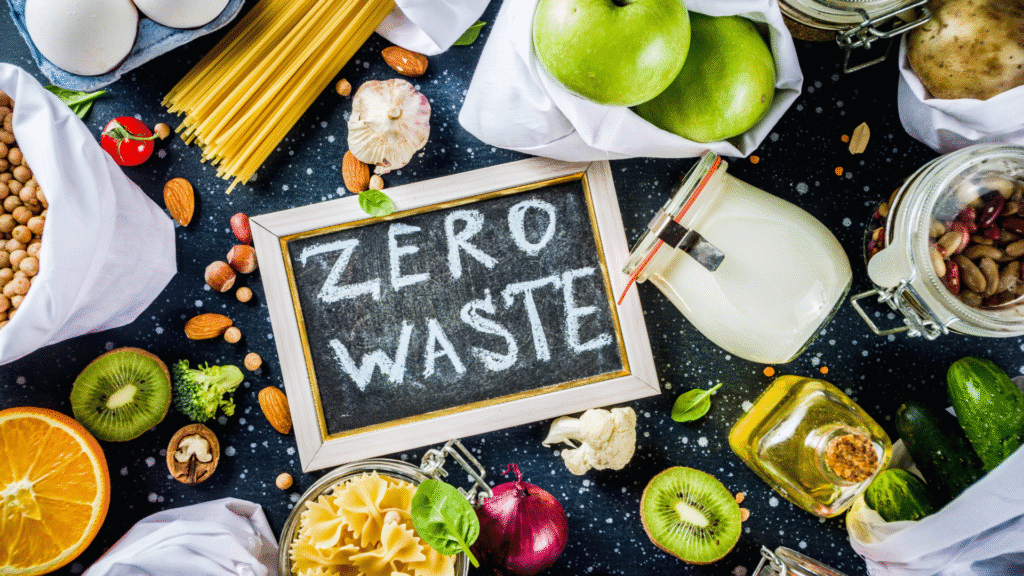
Reducing food waste saves money and preserves the environment. Preparing a precise weekly meal plan with portion sizes based on household needs helps avoid excess. Leftovers should be stored correctly and included in meals within 2-3 days.
She can use frozen vegetables or bulk-cooked grains to extend shelf life. Planning meals that reuse ingredients for multiple dishes—like roasted vegetables in salads and stir-fries—also cuts waste. Regularly checking fridge contents before shopping prevents purchase duplication.
Shopping List and Budgeting Advice
A clear shopping list aligned with the weekly meal plan keeps purchases focused and cost-effective. He should group items by supermarket section to streamline trips and avoid impulse buys. Comparing prices and choosing seasonal produce helps maximise nutrition per pound spent.
Using a budgeting app or spreadsheet tracks spending against set limits. Bulk buying non-perishables and freezing portions when possible reduces overall costs. Prioritising nutrient-dense foods within budget ensures meals meet dietary goals without overspending.
Related Posts
How to Reduce Food Waste with Weekly Prep for Efficient Meal Planning and Savings

Meal Prep Strategies That Save Time and Money for Busy Weekdays and Budget-Friendly Living