
How to Get Kids Involved in Meal Planning: Engaging Strategies for Family Meals
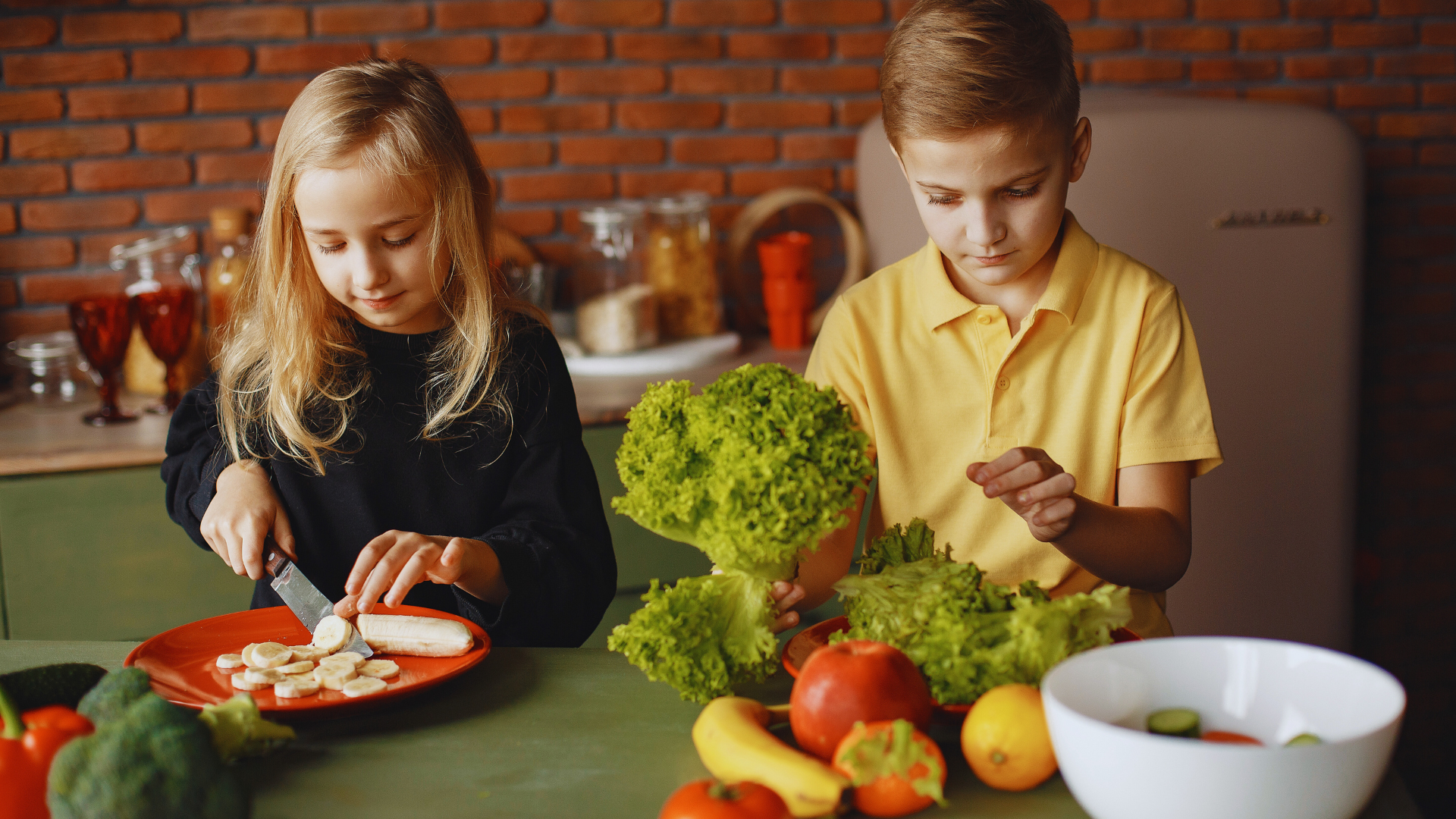
Getting kids involved in meal planning can be a rewarding experience that fosters healthy eating habits and essential life skills. Engaging children in this process not only teaches them the importance of nutrition, but it also empowers them to make informed food choices. By involving them in meal selection, they learn to appreciate different ingredients and develop a sense of responsibility towards their diet.
Meal planning can also serve as a creative outlet for children, allowing them to express their preferences and experiment with new flavours. Parents can guide their children in researching recipes, understanding portion sizes, and finding balance in their meals. This collaboration can lead to exciting family discussions and the development of valuable cooking skills.
Incorporating children into meal planning sets the stage for a healthier family lifestyle. By participating in the planning stages, they build confidence and gain a deeper appreciation for the effort that goes into preparing nutritious meals.
Understanding the Importance of Meal Planning
Meal planning holds significant advantages for families. It can cultivate essential life skills in children, incorporate healthier food options into household meals, and effectively address the challenges posed by picky eaters.
Developing Life Skills Through Meal Planning
Engaging children in meal planning helps them develop critical life skills. They learn to make decisions by choosing which recipes to try and deciding on ingredient options. This involvement fosters a sense of responsibility.
Children can also improve their organisational skills by creating shopping lists. Engaging in budgeting during the planning process teaches them financial literacy. Assigning them age-appropriate tasks in the kitchen further enhances their confidence and competence.
Incorporating Healthy Foods into Family Meals
Meal planning is an effective strategy for promoting healthy eating habits within families. Involving children in the selection of fruits, vegetables, and whole grains allows them to discover new flavours. This hands-on approach may reduce resistance to healthier foods.
By discussing the benefits of various ingredients, families can create nutritious meals that cater to everyone’s tastes. Planning meals together also provides an opportunity to educate children about balanced diets, fostering lifelong healthy eating practices.
Addressing Picky Eaters and Food Preferences
Involving children in meal planning can ease the challenges associated with picky eaters. By allowing them to voice their preferences, families can create meals that reflect their likes and dislikes. This compromises the need for creativity in meal preparation while catering to individual tastes.
Incorporating familiar ingredients with new flavours may encourage children to try different foods. Offering choices in meal components, such as toppings or sides, empowers children and improves the likelihood of acceptance. This collaborative effort can transform mealtime into an enjoyable and inclusive experience.
Step-by-Step Guide to Meal Planning with Kids
Involving children in meal planning nurtures their cooking skills and encourages healthy eating habits. Practical engagement in the kitchen not only teaches them vital life skills but also fosters family bonds.
Choosing Recipes and Creating a Weekly Meal Plan
Start by discussing dietary preferences and any food allergies. Create a list of potential meals that everyone enjoys. Encourage kids to research new recipes or explore cookbooks. You can allocate specific nights for different meals, like Meatless Mondays or Taco Tuesdays, to add variety.
Once the recipes are chosen, help them create a structured weekly meal plan. Use a visually appealing chart to outline what will be cooked each day. This plan can be displayed on the refrigerator for easy reference. Involve children in making adjustments based on availability of ingredients or family schedules.
Engaging Kids in Grocery Shopping and List Making
Shopping can be an enjoyable learning experience. After finalising the meal plan, assist children in making a grocery list based on required ingredients. Encourage them to check pantry staples too.
During shopping, allow kids to choose fruits, vegetables, and other items. Teach them to read labels and compare prices, which enhances their decision-making skills. This hands-on experience highlights the importance of budgeting and understanding where food comes from.
Teaching Measurements and Nutritional Values
Measuring ingredients introduces basic maths concepts. Let children take charge of measuring out items like flour or sugar. Use measuring cups and spoons to demonstrate different units and conversions.
Discuss the nutritional value of each ingredient as you cook. For example, explain the benefits of whole grains versus refined grains. This knowledge empowers kids to make informed choices about what they eat, fostering a healthier relationship with food.
Cooking Together as a Family
Engaging in cooking together as a family can foster creativity and teamwork while promoting healthy eating habits. This shared experience not only enhances culinary skills but also strengthens family bonds.
Fostering Creativity and Teamwork in the Kitchen
Cooking as a family allows children to express their creativity. They can experiment with flavours, ingredients, and presentation. Encourage kids to choose recipes, alter flavours, and contribute to meal design. This not only boosts their confidence but also develops decision-making skills.
Teamwork plays a crucial role during cooking. Assign specific tasks to each family member, from chopping vegetables to setting the table. Collaborative tasks teach children how to work effectively with others and appreciate individual contributions. Discussing the ingredients and their nutritional benefits can help instil healthy eating habits in children from a young age.
The Role of Supervision and Safety During Cooking
Supervision is vital when involving children in the kitchen. Adults must oversee activities to ensure safe practices, especially when using sharp utensils or hot surfaces. It’s important to explain safety rules clearly, such as staying alert and keeping flammable materials away from heat.
Establishing rules can create a safe cooking environment. Encourage children to ask questions and seek help when unsure about a task. Teaching kids to clean up spills immediately can prevent accidents. By prioritising safety, families can enjoy cooking together while minimising risks and fostering a positive culinary experience.
Related Posts
How to Reduce Food Waste with Weekly Prep for Efficient Meal Planning and Savings

Meal Prep Strategies That Save Time and Money for Busy Weekdays and Budget-Friendly Living