
How to Meal Plan on a Tight Budget: Smart Strategies for Delicious Savings
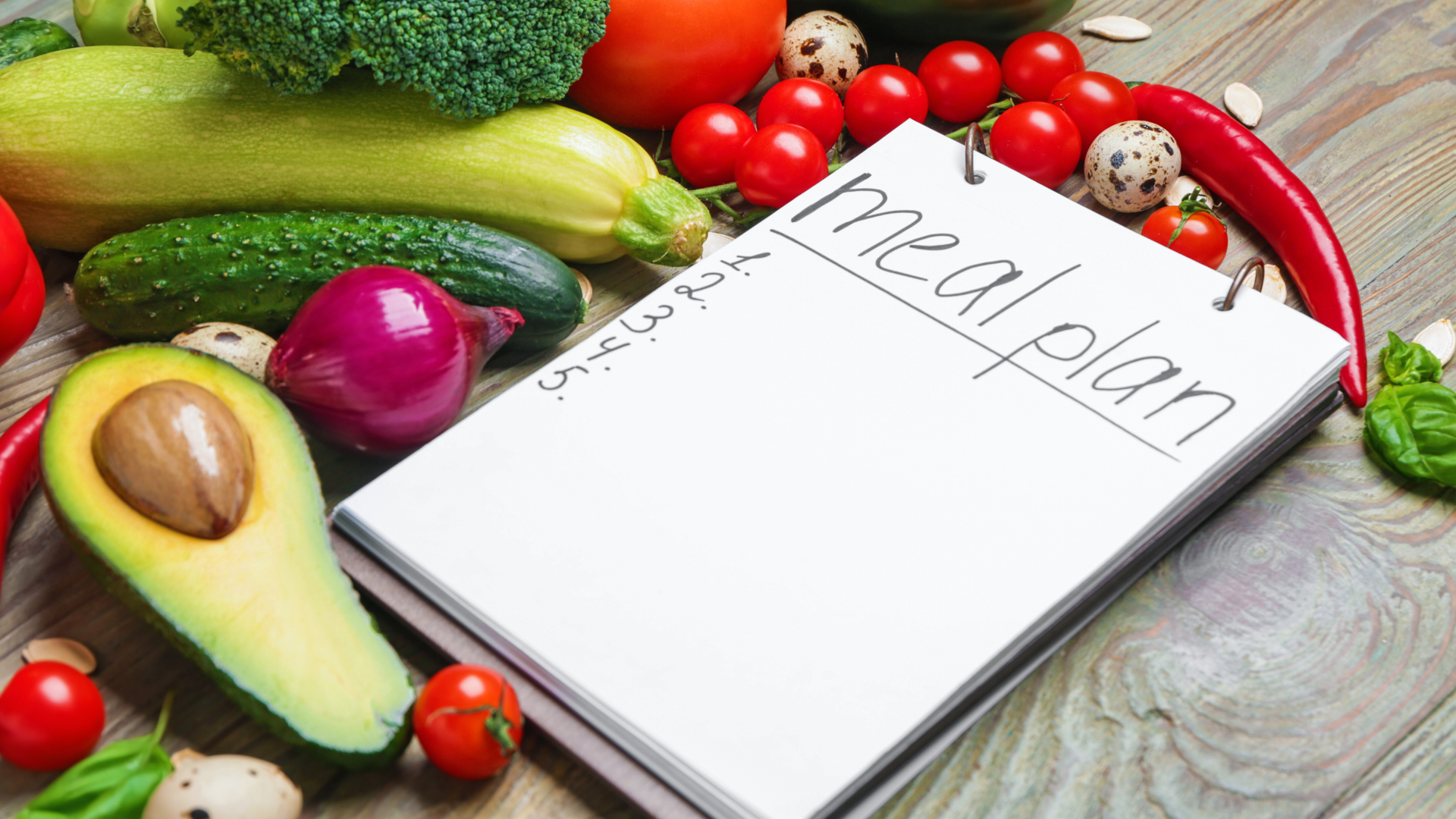
Planning meals on a tight budget can feel daunting, but it is entirely achievable with the right strategy. By creating a structured meal plan, individuals can save money on food while still enjoying a variety of meals. This approach not only minimises waste but also reduces impulse purchases that can derail even the most well-intentioned budgets.
An effective meal plan begins with a clear understanding of personal dietary needs and preferences. This helps in selecting ingredients that can be utilised across multiple meals, leading to efficiency and cost-effectiveness. Shopping with a focused list derived from the meal plan allows for better control over spending, ensuring that every pound contributes to a well-balanced diet.
Emphasising seasonal ingredients and local produce also plays a significant role in budgeting for meals. By taking advantage of sales and discounts, it is possible to build meals that are both nutritious and affordable. Navigating the weekly grocery shopping experience with confidence transforms meal preparation from a task into a rewarding endeavour.
Setting Your Food Budget
Establishing a food budget is crucial for successful meal planning, especially when funds are limited. Understanding food expenses and strategically allocating funds will enable individuals to make informed decisions on their spending.
Understanding Food Expenses
Food expenses typically fall into several categories, including groceries, dining out, and snacks. It is essential to track these expenses to determine a realistic budget.
Consider using a simple table to outline typical costs for categories like:
|
Category |
Estimated Monthly Cost |
|
Groceries |
£200 |
| Dining Out |
£50 |
| Snacks |
£30 |
This breakdown offers clarity on where money is being spent. Additionally, factors like the frequency of shopping trips and seasonal price fluctuations can impact expenses. By documenting these figures, individuals gain insight into their spending habits, allowing for better forecasting and adjustments.
Allocating Funds Strategically
Once food expenses are understood, the next step is to allocate funds for each category. Begin by setting a total food budget based on income and necessary living expenses.
To save money on food, prioritise grocery shopping over dining out. Focus on essential items and create shopping lists to avoid impulse buys.
Strategies include:
- Buying in bulk for non-perishable items.
- Using coupons and discounts.
- Planning meals around sales and seasonal produce.
Being mindful of these strategies allows individuals to optimise their budget, ensuring that they can maintain a healthy diet without overspending.
Essentials of Meal Planning
Effective meal planning involves creating a flexible strategy that accommodates budget constraints while ensuring nutritious and satisfying meals. By focusing on a versatile meal plan, utilising leftovers smartly, and leveraging technology through meal planning apps, individuals can manage their food resources more effectively.
Creating a Versatile Meal Plan
A versatile meal plan allows for a variety of meals that cater to different tastes and nutritional needs. Begin by selecting a few staple ingredients that can be used in multiple recipes. This not only reduces waste but also simplifies shopping.
Examples of versatile staples:
- Rice
- Lentils
- Seasonal vegetables
- Eggs
Plan meals around these staples to form a balanced diet. Opt for recipes that can be adapted, such as stir-fries or soups, which can easily incorporate various ingredients. Aim for recipes that yield multiple servings, ensuring meals can be enjoyed throughout the week. This strategy keeps costs down while providing variety.
Incorporating Leftovers
Leftovers present an excellent opportunity to save time and resources. Planning meals in a way that intentionally creates leftovers allows for subsequent meals without additional preparation. For instance, roast a chicken one night and use the remaining meat in sandwiches or salads the next day.
To maximise the use of leftovers:
- Store them properly in airtight containers.
- Label with dates to ensure freshness.
- Create new dishes from leftovers, such as casseroles or wraps.
This approach reduces food waste and stretches the budget further. It can also promote creativity in the kitchen as individuals experiment with different flavours and combinations.
Utilising Meal Planning Apps
Meal planning apps can significantly ease the process of organising meals while sticking to a budget. These apps allow users to plan their meals on a digital platform, offering important features like grocery lists, budget tracking, and recipe suggestions.
Some popular meal planning apps include:
- Mealime: Provides tailored recipes based on dietary preferences.
- Paprika: Enables user-submitted recipes and meal scheduling.
- Yummly: Offers meal recommendations based on user tastes.
Using these apps can streamline grocery shopping by generating shopping lists based on selected recipes. This leads to less impulsive buying and more focused spending, helping maintain the budget effectively.
Smart Shopping Techniques
Effective shopping techniques can significantly reduce overall food expenses while maintaining a diverse diet. Focused strategies include taking advantage of supermarket deals and incorporating low-cost pantry staples into meal plans.
Maximising UK Supermarket Deals
UK supermarkets frequently offer promotions and discounts that can lead to considerable savings. Shoppers should regularly check flyers, websites, and in-store displays for special offers.
Key strategies include:
- Loyalty Cards: Join loyalty programs for exclusive offers or points on purchases.
- Price Matching: Some supermarkets will match a competitor’s price, allowing for maximum savings.
- Bulk Buying: Purchase non-perishables in bulk during sales to lower costs over time.
Making a shopping list before heading to the store can further help in sticking to budget-conscious choices and avoiding impulse buys.
Utilising Low-Cost Store-Cupboard Ingredients
Incorporating low-cost store-cupboard ingredients can enhance meals without significantly increasing expenses. Common pantry staples such as rice, pasta, and legumes offer versatility and nutrition.
Some key items include:
- Canned Beans: Excellent sources of protein and fibre, ideal for salads and stews.
- Oats: A filling breakfast option, perfect for porridge or overnight oats.
- Frozen Vegetables: These retain nutritional value and are often more affordable than fresh alternatives.
Planning meals around these ingredients ensures that one stays within budget while enjoying hearty and nutritious dishes.
Cooking Affordable Meals
Preparing affordable meals is key to successful meal planning on a budget. By focusing on budget-friendly recipes and minimising waste, it is possible to create nutritious meals without overspending.
Creating Budget-Friendly Recipes
When crafting budget-friendly recipes, prioritise ingredients that are both affordable and versatile. Staples such as rice, pasta, and legumes can form the base of many meals. Incorporate seasonal vegetables, which are often cheaper and fresher, into dishes.
Using bulk buying can significantly reduce costs. Purchasing items like grains, beans, and spices in larger quantities often leads to savings. Simple meals such as vegetable stir-fries or bean chilli can be made easily and provide plenty of servings.
Explore cheap meal ideas like casseroles and soups, as these can utilise leftover ingredients efficiently. Using a few basic recipes and tweaking them can introduce variety without adding cost.
Minimising Waste with Meal Prep
Effective meal prep plays a crucial role in minimising waste and maximising budget efficiency. Planning meals in advance helps to avoid purchasing unnecessary ingredients. Create a shopping list based on the week’s planned meals to keep expenses in check.
Store leftovers properly to ensure they remain safe to eat. Containers made from glass or BPA-free plastic can help keep meals fresh. Dedicating a specific day for meal prep, like Sundays, can streamline the cooking process for busy weekdays.
Incorporating a “use it up” night into the weekly meal plan encourages creativity and reduces unused food. Prepare dishes that can repurpose leftover ingredients, such as frittatas or stir-fries. This strategy not only cuts costs but also helps to reduce food waste effectively.
Related Posts
How to Reduce Food Waste with Weekly Prep for Efficient Meal Planning and Savings

Meal Prep Strategies That Save Time and Money for Busy Weekdays and Budget-Friendly Living