Tips for Baking Gluten-Free Treats: Essential Techniques for Delicious Results
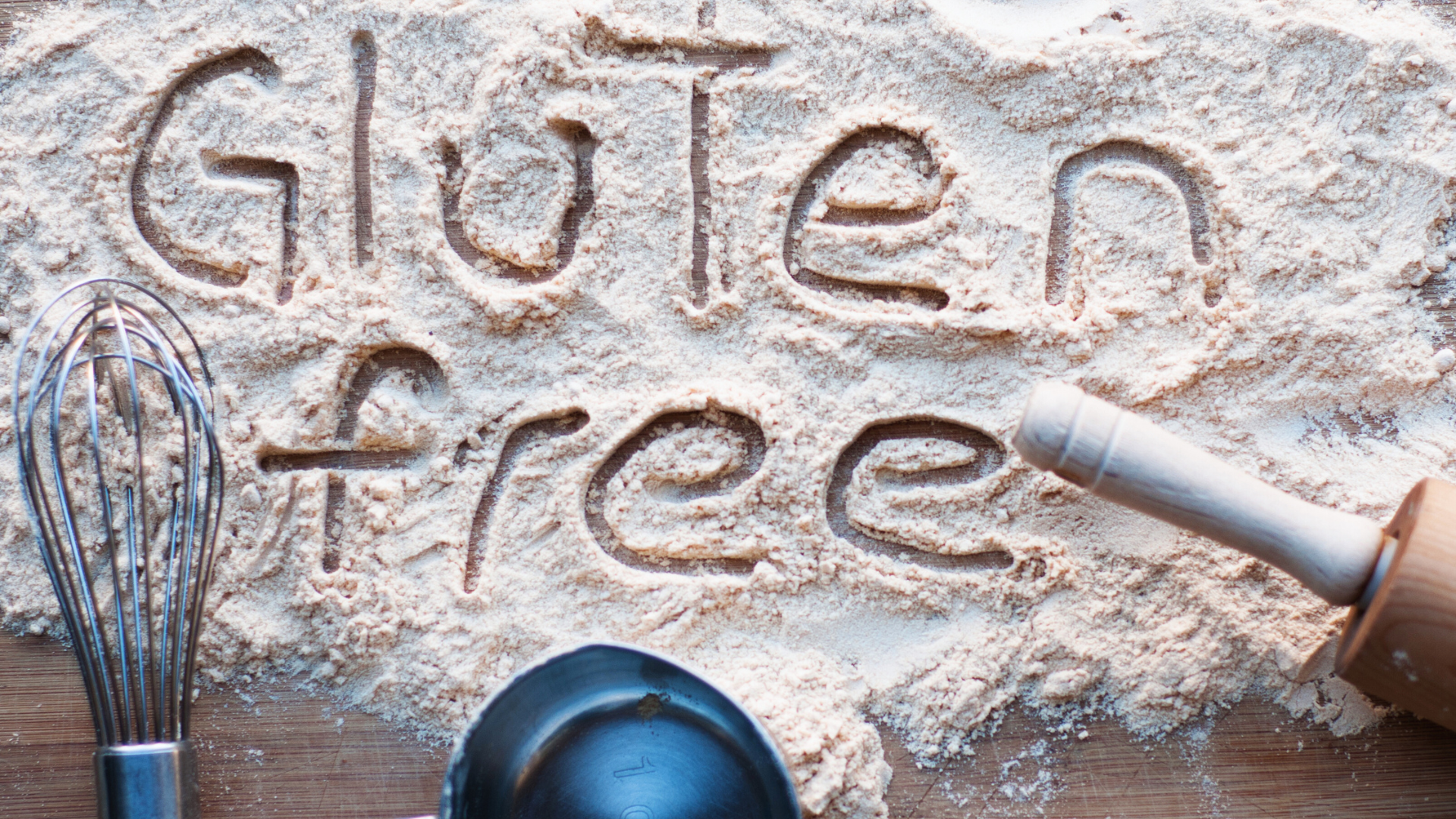
Baking gluten-free treats can seem daunting, especially for those with celiac disease or gluten sensitivities. With the right tips and techniques, anyone can create delicious gluten-free desserts that are both enjoyable and safe to eat. Understanding the unique properties of gluten-free flours is crucial, as they behave differently than traditional wheat flour.
Incorporating ingredients such as almond flour, coconut flour, and gluten-free blends can greatly enhance the texture and flavour of baked goods. It’s also essential to pay attention to the moisture content and binding agents, as these play a vital role in achieving the desired consistency. With a few adjustments and some practice, mastering gluten-free baking is entirely achievable.
Exploring the world of gluten-free ingredients can be rewarding and opens up a variety of new flavours. Whether one is baking for themselves or for a loved one with dietary restrictions, these tips will inspire confidence in the kitchen. Embracing gluten-free baking doesn’t mean sacrificing taste; it means discovering new culinary possibilities.
Fundamentals of Gluten-Free Baking
Baking gluten-free treats requires a solid understanding of specific ingredients and the science behind them. Key elements include selecting the right flours, understanding leavening agents, and ensuring precise measurements for successful outcomes.
Understanding Gluten-Free Flours
Gluten-free flours vary widely in texture and flavour. Popular options include almond flour, rice flour, coconut flour, millet flour, and tapioca flour. Each flour offers unique properties that affect the final product. For instance, almond flour is rich in healthy fats, giving moisture, while coconut flour absorbs more liquid.
A gluten-free flour blend can be beneficial. Many professional bakers recommend using a mix that includes xanthan gum or guar gum, which mimic gluten’s binding properties. This combination improves the texture of baked goods, preventing them from crumbling. Understanding the characteristics of each flour helps bakers make informed choices for their treats.
Role of Leavening Agents
Leavening agents play a crucial role in gluten-free baking. Baking powder and baking soda help the dough rise and create a desirable texture. It’s important to select gluten-free baking powder when baking gluten-free to avoid cross-contamination.
Using these agents correctly affects the final rise. For example, baking powder typically requires an acid to activate, while baking soda requires an acid or moisture. Recipes should indicate the correct quantities to ensure proper results. A digital scale can aid in precise measurements, leading to better consistency in baked goods.
Importance of Accurate Measurements
Accurate measurements are critical in gluten-free baking. Since gluten-free flours have different densities and absorbencies, using a standard measuring cup may lead to inaccurate quantities.
Utilising a digital scale for weighing ingredients provides uniform results. This ensures the right amount of flour and other ingredients, allowing for a well-balanced treat. When making a gluten-free flour blend, following specific ratios is essential to achieve the desired texture and taste. Small variations in measurements can significantly alter the outcome, making accuracy paramount.
Preparing Gluten-Free Treats
When preparing gluten-free treats, attention to batter consistency, correct baking temperatures, and knowledge of common pitfalls can lead to successful results. Following these guidelines ensures a better experience and outcome for both novice and experienced bakers.
Consistency of Batters and Doughs
The texture of gluten-free batters and doughs varies greatly from conventional mixtures. Many gluten-free flours lack the protein structure found in wheat, requiring modifications.
For the best results, consider adding binding agents like xanthan gum or guar gum. These ingredients help mimic gluten’s elasticity and improve structure.
Bakers should monitor the moisture levels in their mixtures closely. Gluten-free batters often require slightly more liquid; however, overmixing can lead to dense products.
Aim for a batter that is thick yet pourable, while cookie dough should be manageable but not crumbly. Always keep in mind that different gluten-free flours absorb liquid differently, so adjustments may be necessary.
Correct Baking Temperatures
Oven temperature is crucial in gluten-free baking. Since gluten-free flours behave differently, the set temperature may need adjustment for optimal results.
Typically, a temperature of 180°C (350°F) is effective for most recipes. However, some recipes benefit from higher or lower temperatures. For example, denser batters might need a hotter oven for a better rise.
It is beneficial to use an oven thermometer to ensure accurate readings. Baking times can also fluctuate; checking treats a few minutes earlier can prevent overbaking.
Bakers should monitor for visual cues, like browning or firming, rather than strictly adhering to timers.
Avoiding Common Mistakes
Common mistakes in gluten-free baking can easily hinder the final product. One frequent error involves measurement; using a scale helps ensure precision in mixing.
Another issue arises from choosing inappropriate flour blends. Not all gluten-free all-purpose flours are interchangeable. Selecting high-quality, finely milled gluten-free flour is essential.
Bakers should also avoid substituting one flour for another without testing; each flour has unique properties that affect results.
Familiarity with ingredients like baking powder or baking soda is necessary. Ensure these leavening agents are fresh and suitable for gluten-free recipes to achieve the desired rise.
Finishing Touches for Perfect Gluten-Free Treats
Achieving the ideal texture and flavour in gluten-free treats often comes down to the final steps. Key elements include using appropriate binding and moisture agents, as well as careful cooling and storage methods.
Use of Binding and Moisture Agents
In gluten-free baking, binding agents are crucial for creating structure. Common options include yoghurt, applesauce, and mashed bananas. Each serves to retain moisture while providing necessary structure to baked goods.
Vinegar can also be beneficial, particularly in recipes like chocolate chip cookies. A small amount can enhance the rise and texture. Experimenting with the ratio of these ingredients can lead to delightful variations in taste and consistency.
Properly incorporating these agents ensures the baked treats achieve the right balance of moisture and cohesion, resulting in a satisfying end product.
Cooling and Storing Your Baked Goods
Allowing gluten-free treats to cool on a cooling rack is vital. It aids in preventing sogginess, especially for cookies and cakes. Once cooled, they should be stored in airtight containers to maintain freshness.
Room temperature ingredients help with even baking and flavour development. For longer-lasting freshness, storing in the refrigerator can be effective, particularly in humid climates. Labels with dates can help track shelf life.
By following these techniques, the texture and taste of gluten-free treats can remain optimal, leading to repeated success in the kitchen.
Related Posts
How To Season Food Like A Professional Chef With Expert Tips And Techniques
How to Stock a Nourishing and Versatile Pantry for Balanced, Everyday Cooking