One-Pot Recipes for Healthy Soups: Quick and Nutritious Meal Solutions
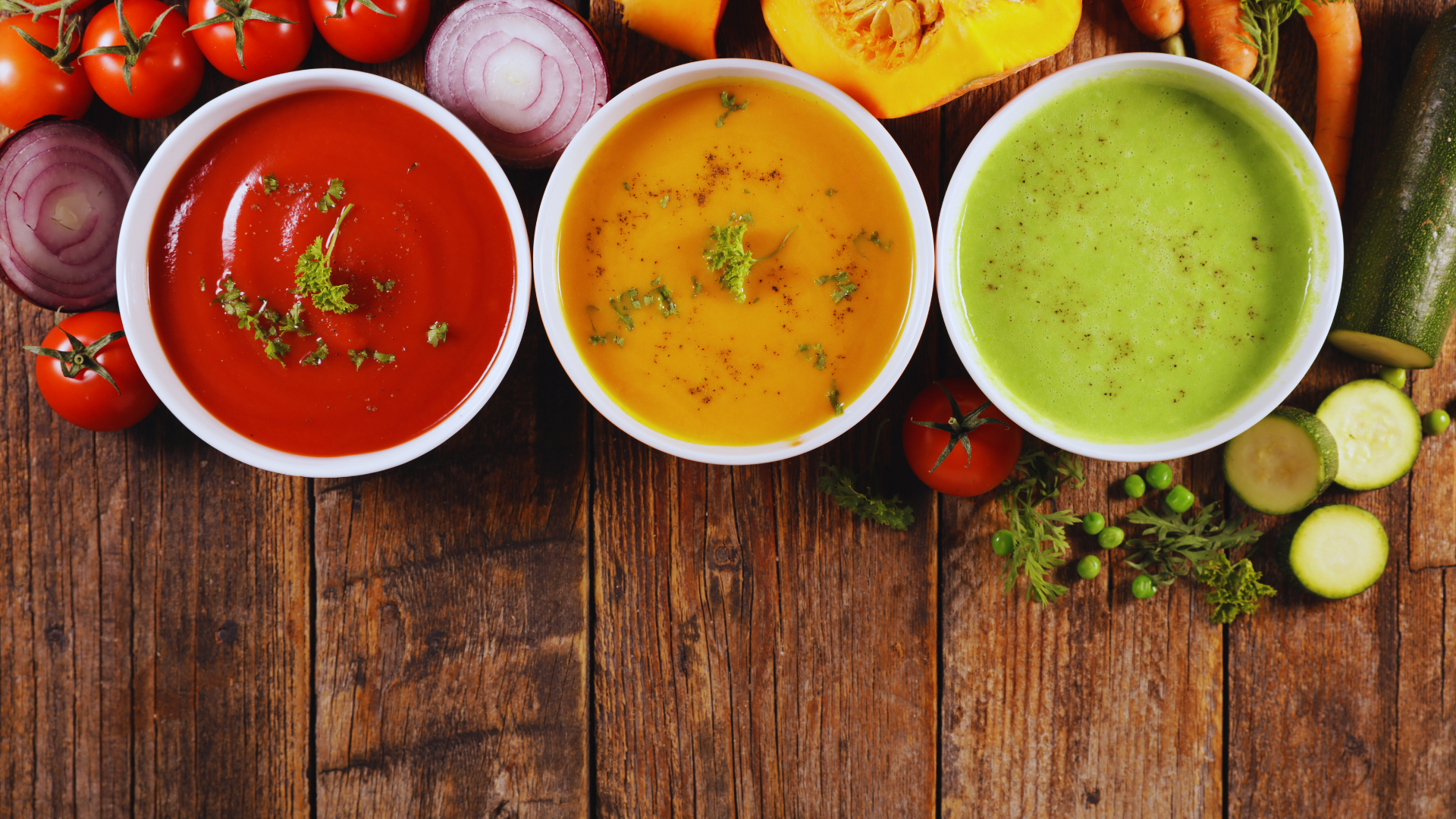
When it comes to nourishing meals, healthy soups stand out as an ideal choice. One-pot recipes for healthy soups simplify meal preparation and cater to those seeking comfort food without compromising on nutrition. With minimal clean-up and a variety of flavours, these soups are perfect for busy individuals looking to enjoy wholesome meals.
These recipes often incorporate fresh vegetables, wholesome grains, and lean proteins, ensuring a balanced dish. Whether it’s a hearty lentil soup or a vibrant vegetable broth, the versatility of one-pot cooking allows for creativity and ease. By focusing on nutritious ingredients, individuals can create satisfying meals that are both comforting and good for their health.
Exploring one-pot healthy soup recipes offers not only culinary delight but also the benefit of time-saving simplicity. Each spoonful can provide the warmth and satisfaction that comfort food embodies while keeping health at the forefront.
The Basics of One-Pot Soup-Making
Creating nutritious soups in a single pot simplifies meal prep while maximising flavour and health benefits. Understanding how to select the right ingredients and the soup-making process will lead to satisfying, low-calorie meals.
Selecting Ingredients for Nutritional Value
Choosing the right ingredients is crucial to crafting a healthy soup. Focus on incorporating a mix of vegetables, lean proteins, and whole grains.
- Vegetables: Aim for a variety of colours and types. Dark leafy greens, carrots, and bell peppers offer essential vitamins and minerals. Aim for at least two to three cups.
- Proteins: Consider options like chicken, beans, or lentils for a hearty soup. They provide satiety and contribute to a balanced meal.
- Whole Grains: Quinoa, brown rice, or barley can add texture and nutrients. Use about ½ to 1 cup, depending on the desired thickness.
- Herbs and Spices: Fresh herbs like parsley or thyme and spices such as cumin can enhance flavour without extra calories. Use them liberally to create depth without excess salt.
Understanding the Soup-Making Process
The method of soup-making plays a significant role in maintaining the nutritional value of ingredients.
- Sauté Aromatics: Begin by heating a small amount of oil and adding aromatics like onions or garlic. This builds a flavour base.
- Add Ingredients: Incorporate vegetables and proteins next. Layering flavours contributes to a rich taste. Cook until the vegetables soften.
- Use Stock or Water: Pour in low-sodium vegetable or chicken stock, adjusting quantity for desired consistency. A good rule is about 4-6 cups for a hearty pot.
- Simmer: Allow the soup to simmer for at least 20 minutes. This melding of flavours enhances the dish. For beans or grains, follow specific cooking times.
- Seasoning: Adjust seasoning towards the end to preserve the freshness of flavours. Taste as you go to achieve the desired flavour profile.
This structured approach ensures a nutritious, delicious one-pot soup ideal for healthy eating.
Diverse One-Pot Soup Recipes
One-pot soups offer a variety of nutritious options for different dietary preferences. From vegetarian delights to meat-based feasts and international flavours, there is something to suit every palate.
Vegetarian and Vegan Delights
Vegetarian and vegan soups provide a wealth of flavours and nutrients. Lentil soup is a popular choice, packed with protein and fibre. It typically includes vegetables like carrots, celery, and tomatoes for added nutrition.
Butternut squash soup showcases the natural sweetness of squash, blended with garlic and spices for depth. Tomato soup, often made vegan, can be enriched with herbs and served with wholegrain bread for a complete meal.
Minestrone is versatile, allowing for seasonal vegetables, beans, and pasta. Each recipe is simple, requiring minimal preparation and cooking time while delivering healthy and satisfying options.
Meaty Feasts with Lean Proteins
For those who enjoy meat, one-pot soups can be hearty and fulfilling. Split pea soup with ham is a classic that combines peas with lean pork, enriching the flavour and nutrition profile.
Chicken soup is another staple, offering various versions, including Thai-style varieties with coconut milk and lime or classic versions with root vegetables. These soups can provide a comforting base for numerous ingredients.
Using lean beef in a vegetable-packed stew offers a rich taste while maintaining a healthy component. The simplicity of these recipes ensures quick preparation, making them practical for busy lifestyles.
World Flavours: International Soups
Exploring different cultures through soup can enhance culinary experiences. For instance, Japanese miso soup combines fermented ingredients with tofu and seaweed, providing umami richness.
Mexican tortilla soup features a base of tomatoes and spices, topped with tortilla strips, avocado, and cheese, delivering vibrant flavours.
Middle Eastern lentil soup is seasoned with cumin and coriander, offering aromatic qualities. Each of these diverse soups brings unique flavours while maintaining healthfulness in their ingredients, showcasing how versatile one-pot soups can be across global cuisines.
Mastering the Use of Kitchen Gadgets
Utilising kitchen gadgets can significantly enhance the process of making healthy soups. By mastering tools like the Instant Pot and slow cooker, home cooks can create nutritious dishes with minimal effort.
Instant Pot Pro-Tips
The Instant Pot is ideal for crafting soups quickly while retaining flavour. For a hearty Instant Pot potato soup, start by sautéing onions and garlic using the sauté function. This builds a robust base for the soup.
Next, add diced potatoes, broth, and seasonings. Secure the lid and set it to high pressure for about 10 minutes. After cooking, release the steam and use an immersion blender for a creamy texture.
To enhance flavour, consider adding herbs or spices just before sealing. Avoid overfilling the pot; keeping ingredients below the fill line ensures safe pressure cooking.
Getting the Most Out of Your Slow-Cooker
A slow cooker is perfect for developing rich flavours over time. For a comforting slow-cooker chicken noodle soup, start by placing chicken breasts, chopped vegetables, and broth in the pot.
Set the cooker on low for 6-8 hours or high for 3-4 hours. This method allows the chicken to become tender and easy to shred. In the last 30 minutes, add noodles to prevent them from becoming mushy.
Layer seasonings carefully and consider adding fresh herbs towards the end to preserve their flavour. Monitoring liquid levels is crucial; top up with additional broth if necessary to achieve the desired consistency.
Storage and Reheating for Lasting Freshness
Proper storage and reheating of healthy soups can significantly enhance their flavour and maintain their nutritional value. Following the right practices ensures that leftovers stay fresh and safe to consume.
Safe Storage Practices
When storing healthy soups, it’s vital to cool them down quickly before placing them in the fridge. This can prevent bacterial growth. Use shallow containers to help speed up the cooling process.
Soups can typically be stored in the refrigerator for up to three to four days. For longer storage, freezing is advisable. Portions should be kept in airtight containers or freezer bags, with air expelled to prevent freezer burn. Label containers with the date for easy tracking.
When storing different types of soup, separating ingredients like beans or pasta can prevent them from becoming mushy during storage. This approach helps maintain the texture of comforting soups.
Reheating Techniques to Retain Flavour
When reheating soup, the choice of method can impact its taste and texture. Stovetop reheating is often ideal for maintaining flavour. Pour the soup into a saucepan and heat over medium heat, stirring frequently. This ensures even warmth and helps retain the ingredients’ integrity.
If using a microwave, transfer the soup to a microwave-safe bowl. Cover it loosely to allow steam to escape, stirring halfway through for uniform heating. Avoid overheating, as it can alter the soup’s consistency and flavour.
For soups containing dairy, it is advisable to add the dairy just before serving to prevent curdling when reheating. Keeping these techniques in mind helps prolong the enjoyment of leftover healthy soups.
Related Posts
How To Season Food Like A Professional Chef With Expert Tips And Techniques
How to Stock a Nourishing and Versatile Pantry for Balanced, Everyday Cooking