
Meal Planning Guides for Weight Loss: Effective Strategies for Successful Dietary Management
Meal planning can be a powerful tool for individuals aiming to achieve healthy weight loss. Consistent meal planning can help streamline dietary choices, making it easier to reach weight loss goals while ensuring balanced nutrition. By taking the time to prepare meals in advance, individuals can reduce the temptation to opt for unhealthy snacks or fast food when hunger strikes.
Creating a structured meal plan allows one to incorporate a variety of nutritious foods, which is essential for sustainable weight loss. It enables individuals to monitor portion sizes and calorie intake effectively, making it feasible to stick to their weight loss objectives. Additionally, meal planning can save time and money, reducing the likelihood of impulse purchases.
This guide will explore practical strategies for meal planning that align with weight loss aspirations. Readers can expect tips on how to create balanced meals, manage grocery lists efficiently, and develop a routine that supports long-term success in their weight loss journey.
Understanding Weight Loss
Weight loss is fundamentally about creating a calorie deficit while ensuring nutritional needs are met. It involves a clear awareness of food choices and lifestyle factors that can influence body weight.
Fundamentals of Weight Loss
The core principle of weight loss is calories in versus calories out. To lose weight, an individual must consume fewer calories than the body expends. This calorie deficit forces the body to use stored fat for energy, leading to fat loss.
Creating a balanced plan typically involves tracking daily caloric intake and understanding portion sizes. For effective weight loss, nutrient-dense foods, such as fruits, vegetables, lean proteins, and whole grains, should take precedence. These foods provide essential vitamins and minerals while helping to maintain satiety.
However, having a voracious appetite may feel like a frequent issue for some. Or, some people may feel like they see no weight-loss results, no matter how much they diet or exercise. Then, maybe they can consider exploring other avenues such as medical interventions or additional support strategies.
For individuals who struggle with appetite regulation or metabolic challenges, newer treatments like using semaglutide might offer a potential solution. This medication works by mimicking hormones that help control hunger and improve metabolic function.
It has shown promising results in supporting weight loss, particularly when paired with healthy lifestyle habits. By targeting the body’s natural processes, semaglutide helps create lasting changes that go beyond simple calorie counting.
With medical advancements in weight management, options like Semaglutide in Los Angeles or elsewhere are becoming more widely available. These treatments are often incorporated into comprehensive plans developed by healthcare professionals, especially for individuals facing persistent weight-related challenges.
Patients in the UK seeking medically supervised options can also explore reputable online sources that outline prescription pathways and support, including registered pharmacies that supply evidence-based weight loss treatments under clinician oversight.
These providers usually require a clinical assessment, adhere to strict dispensing regulations, and offer guidance on monitoring side effects. Choosing regulated services helps clarify ordering, delivery and data-protection procedures so patients know what to expect. Always discuss potential treatments with a healthcare professional to ensure any medication complements diet and lifestyle changes.
Importance of Nutrition
Good nutrition is vital for healthy weight loss. A diet rich in protein, fibre, and healthy fats can aid in appetite control and fuel the body properly. Foods high in protein, like lean meats and legumes, promote muscle maintenance, especially during a calorie deficit.
While focusing on calories, one should not overlook nutrient quality. Processed foods and those high in added sugars can contribute to weight gain and negatively impact health. Emphasising whole foods supports well-being, helping to prevent issues such as high blood pressure and nutrient deficiencies.
Recognising Unhealthy Eating Patterns
Identifying unhealthy eating habits is crucial for successful weight loss. Those with eating disorders may struggle with food aversions or excessive calorie counting, which can hinder progress. Recognizing triggers for emotional or binge eating is an important step towards sustainable change. However, many individuals find that addressing these challenges alone can be difficult without additional support.
It’s easy to fall into unhealthy eating habits, especially when life gets busy or stressful. Over time, these patterns can make managing weight increasingly difficult. For some individuals, it’s not just about diet and exercise; underlying health conditions such as diabetes or high blood pressure can add further challenges. This is where seeking help from a private slimming clinic becomes especially valuable. These clinics tend to offer medically supervised programs and expert guidance tailored to each person’s specific needs, providing a safe and structured approach to weight loss that addresses both physical health and behavioral patterns.
Creating Your Meal Plan
Once unhealthy eating habits are recognized, the next step is to develop a meal plan that supports better choices and long-term health. A balanced plan focuses not just on reducing calories but on incorporating a variety of nutrients that fuel the body and promote well-being. It should take into account individual needs, daily routines, and personal food preferences to ensure it’s both realistic and sustainable. Creating a structure around meals helps reduce impulsive eating and makes it easier to stay on track with health and weight goals over time.
Structuring Meals
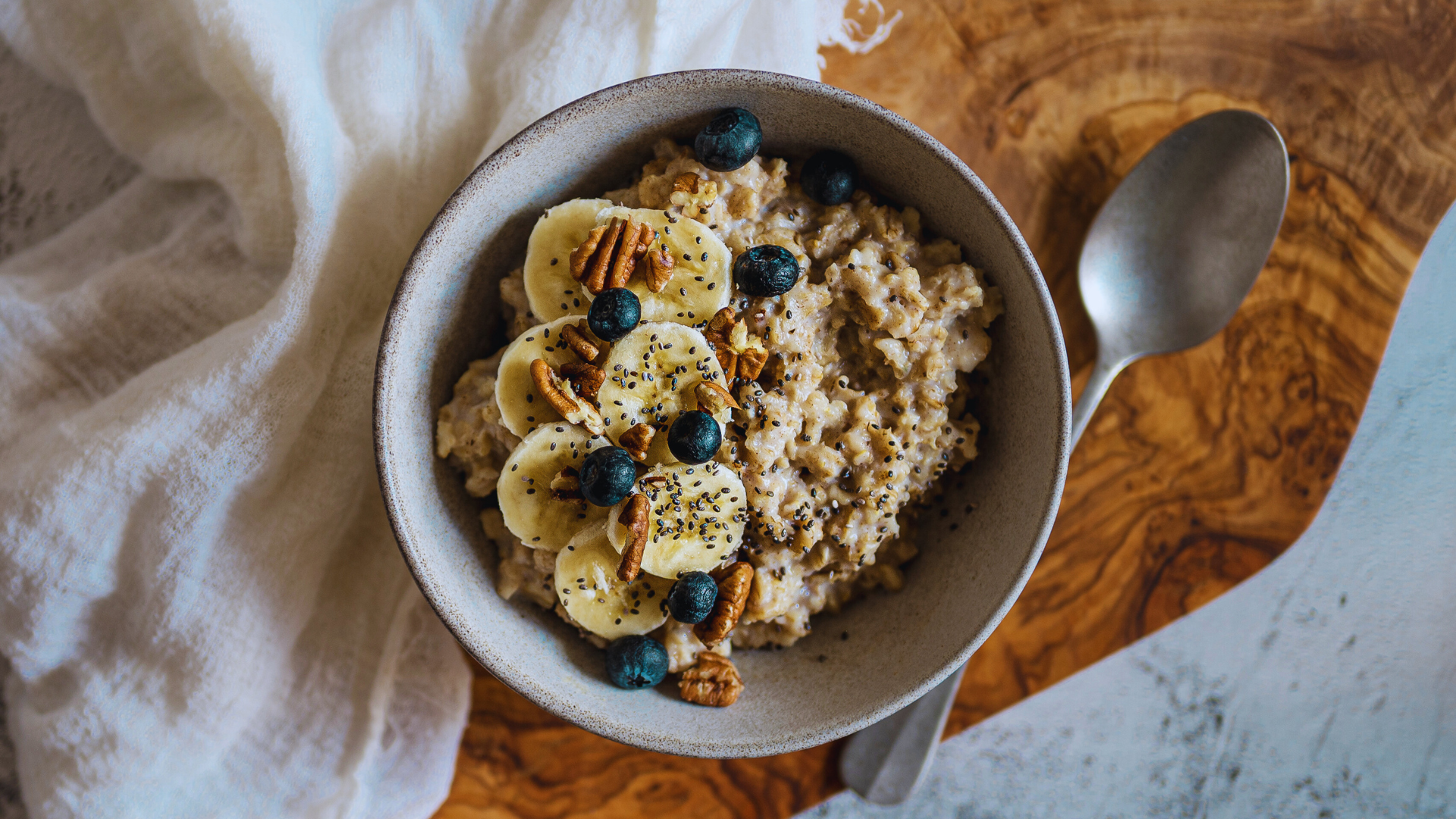
When creating a meal plan, structuring meals into breakfast, lunch, and dinner is crucial. Each meal should include a balance of macronutrients: carbohydrates, fats, and proteins. A typical breakfast might feature whole grains like oatmeal or whole grain toast paired with a source of protein such as Greek yoghurt or a boiled egg.
Lunch can consist of lean protein sources, such as turkey breast or grilled chicken, along with a variety of vegetables. Incorporating whole grains, like quinoa or brown rice, adds fibre and helps in maintaining energy levels. For dinner, opt for a similar structure, ensuring plenty of vegetables and a protein source. Portion sizes should be monitored to avoid overeating.
Opting for Whole Foods
Choosing whole foods over processed options forms the backbone of a healthy eating habit. Foods such as fruits, vegetables, whole grains, nuts, and seeds provide essential nutrients. Focus on incorporating a diverse range of colours in meals to ensure a broad spectrum of vitamins and minerals.
Berries, for example, are an excellent choice for snacks or additions to breakfast. They are low in calories and high in antioxidants. Raw vegetables can serve as a crunchy, satisfying snack that aids in hydration and nutrient intake. Opting for whole foods ensures that meals are more satisfying and reduces the likelihood of cravings.
Incorporating High-Protein Foods
High-protein foods play a vital role in weight loss by promoting satiety and muscle maintenance. Including sources such as lean meats, beans, legumes, and dairy can enhance a meal’s nutritional value. Cottage cheese is an excellent option for a snack due to its high protein content, which helps in curbing hunger.
Protein-rich meals should be a priority at breakfast, lunch, and dinner. For instance, adding a scoop of protein powder to smoothies or selecting high-protein snacks like nuts can support daily protein intake. Including a variety of these foods ensures that one remains full longer and maintains energy levels throughout the day.
Choosing Healthy Snacks
Healthy snacks are integral in preventing overeating at main meals. Selecting nutrient-dense snacks will help maintain energy and reduce cravings. Prioritising options like raw vegetables, Greek yoghurt, or a handful of nuts can provide sustenance without added sugars and empty calories.
Portion control is also vital when choosing snacks. Preparing small servings in advance, such as portioned fruit or mixed nuts, can aid in avoiding mindless eating. These healthy snacks provide a balance of carbohydrates, fats, and proteins, keeping the body satisfied between meals.
Sample Meal Plan Ideas
Meal planning can provide structure and variety to a weight loss journey. Different strategies cater to various needs, ensuring meals are both satisfying and nutritious.
7-Day Diet Meal Plan
A 7-day diet meal plan helps establish healthy eating habits. Each day focuses on balanced meals rich in nutrients. Here’s a sample outline:
Day 1:
- Breakfast: Oatmeal with nuts and berries
- Lunch: Mixed greens salad with olive oil dressing
- Dinner: Grilled chicken with steamed vegetables
Day 2:
- Breakfast: Greek yoghurt with honey and nuts
- Lunch: Chickpea salad with feta cheese
- Dinner: Baked fish with quinoa
Repeat this structure with similar variations for the remaining days. The inclusion of salads, lean proteins, and healthy fats aids in weight loss while keeping meals flavourful.
30-Day Weight Loss Meal Plan
A 30-day meal plan provides extensive variety and consistency. Each week can emphasise different dietary focuses, such as low-carb options or Mediterranean recipes.
Week 1:
Focus on lean proteins and high-fibre veggies.
- Breakfast: Smoothie with spinach and nut butter
- Lunch: Quinoa salad with chickpeas
- Dinner: Stuffed bell peppers with lean turkey.
Week 2:
Incorporate more healthy fats.
- Use olive oil in dressings and cooking.
- Include nuts and seeds as snacks.
Week 3 can introduce new grains like farro and bulgur, while Week 4 can include themed meals, such as Mediterranean nights with hummus, olives, and seasonal salads.
Specialised Dietary Advice
Consulting a registered dietitian may provide tailored advice. Individual dietary needs can vary, highlighting the importance of bespoke meal planning.
Considerations include:
- Food allergies or intolerances
- Specific health conditions (e.g., diabetes)
- Personal preferences (vegetarian, vegan)
Incorporating diverse foods like leafy greens, nuts, and whole grains aids nutritional balance while maintaining variety ensures meals remain enjoyable. Each meal can be further customised with different dressings or side dishes, maintaining flexibility in the diet.
Healthy Recipe Ideas
Focusing on simple yet nutritious recipes can make meal planning for weight loss both enjoyable and effective. These ideas highlight a variety of meals and snacks that are rich in fibre and packed with nutrients.
Simple and Nutritious Dinners
Quick-to-prepare dinners can support weight loss while providing essential nutrients. For example, sheet-pan chicken with mixed greens is a highly effective meal. Marinating the chicken in lemon juice and garlic enhances flavour and adds health benefits.
Another option includes poached salmon served over zucchini noodles. This dish is light yet satisfying, providing healthy fats and fibre. A side of steamed broccoli adds additional nutrients without many calories.
Garlic-lime pork is another easy recipe that delivers on taste. Using lean turkey breast can also offer a protein-rich alternative, served alongside a variety of colourful vegetables for added vitamins and minerals.
Quick and Easy Lunch Options
Lunch can be both nutritious and filling with minimal preparation. Hummus and mixed vegetable wraps are perfect when using whole-grain tortillas. Filling options include carrots, bell peppers, and spinach, which contribute to daily fibre intake.
Chickpea salads are another great choice. Combining chickpeas with diced cucumber, tomatoes, and a squeeze of lemon results in a refreshing meal rich in protein and fibre.
Another option is a turkey breast sandwich. Using whole-grain toast, top it with leafy greens and a spread of avocado for healthy fats. This combination not only tastes great but also helps sustain energy levels throughout the day.
Breakfasts to Kickstart Your Day
Starting the day with a nutritious breakfast sets a positive tone. A popular choice includes Greek yoghurt topped with berries. This combination provides a balance of protein, antioxidants, and fibre, making it a powerful start.
Another simple meal is whole-grain toast topped with a poached egg. This dish is not only high in protein but also contains healthy fats from the yolk. Adding some spinach can increase the nutrient profile even further.
For a sweeter option, a banana smoothie with a dollop of nut butter is both filling and energising. The banana provides potassium, while nut butter adds protein and healthy fats, supporting overall health.
Savoury and Sweet Snack Alternatives
Healthy snacks can help maintain energy levels and manage hunger. Nuts such as almonds and walnuts provide necessary fats and protein. A small handful can be quite satisfying, helping keep cravings at bay.
For a sweet treat, a small serving of dark chocolate paired with berries is delicious. The antioxidants in both can provide health benefits while satisfying a sweet tooth.
Another nutritious option includes hummus with carrot sticks or cucumber slices. This combination offers fibre and vitamins, making it a satisfying snack without excessive calories.
Related Posts
How to Reduce Food Waste with Weekly Prep for Efficient Meal Planning and Savings

How To Season Food Like A Professional Chef With Expert Tips And Techniques