
How Sugar Quietly Disrupts Your Mood Stability Throughout the Day
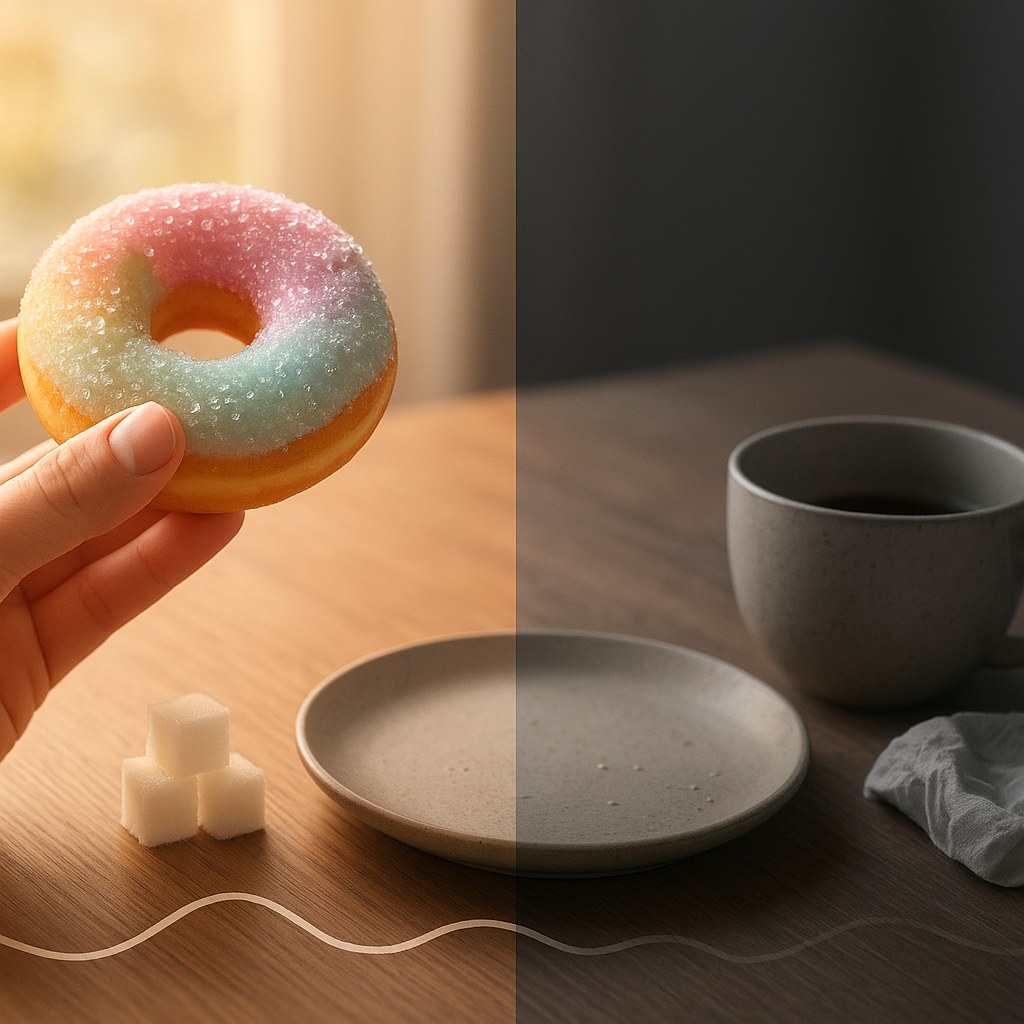
Most people blame a bad mood on a poor night’s sleep, a stressful commute, or a heavy workload. Whilst those factors certainly play a part, there is a quieter culprit that often goes unnoticed: the sugar hiding in your breakfast cereal, mid-morning snack, or afternoon pick-me-up. The relationship between what you eat and how you feel is far more intimate than many realise, and sugar sits at the very centre of that connection.
Understanding how sugar disrupts mood stability throughout the day is not about demonising a slice of birthday cake or swearing off chocolate forever. It is about recognising the subtle, cumulative ways that blood sugar fluctuations can leave you feeling irritable, anxious, foggy, and emotionally drained — often without you ever making the connection. Once you see the pattern, it becomes remarkably difficult to unsee it.
The Blood Sugar Rollercoaster: What Actually Happens
When you consume sugar — whether from a fizzy drink, a chocolate bar, or even a bowl of seemingly innocent granola — your body responds rapidly. Glucose floods into your bloodstream, and your pancreas releases insulin to shuttle that glucose into your cells for energy. The problem arises when this process happens too quickly and too dramatically.
Refined sugars and simple carbohydrates are absorbed swiftly, causing a sharp spike in blood glucose. Your body responds by releasing a proportionally large amount of insulin, which then drives blood sugar down just as rapidly. This is the classic “sugar crash” that most people have experienced at some point — that sudden wave of fatigue, brain fog, and irritability that hits an hour or two after a sugary snack.
What makes this particularly insidious is the timing. These crashes do not announce themselves with a label. Instead, they manifest as a short temper with your partner, an inability to concentrate during an afternoon meeting, or a vague sense of anxiety that seems to come from nowhere. The physiological stress of low blood sugar (hypoglycaemia) triggers the release of cortisol and adrenaline — the same hormones your body produces during a genuinely stressful event. Your brain interprets the blood sugar dip as a threat, and your mood pays the price.
How Sugar Affects Your Mood Hour by Hour
Morning: The Sweet Start That Sets You Up to Fail
Many people begin their day with what is essentially a dessert in disguise. Sugary cereals, flavoured yoghurts, pastries, fruit juices, and sweetened coffees are breakfast staples across the UK. A bowl of popular breakfast cereal can contain upwards of 12 grams of sugar per serving — and that is before you add milk or a second helping.
Starting your day with a high-sugar meal primes your blood sugar for instability. The initial spike provides a brief burst of energy and alertness, but the subsequent crash often arrives mid-morning, leaving you reaching for another biscuit or a second coffee just to feel functional again. This establishes a cycle of spikes and crashes that can persist for the rest of the day.
Midday: The Post-Lunch Slump
If lunch consists of a sandwich on white bread, a packet of crisps, and a soft drink, you are essentially setting a timer for an afternoon energy crash. The refined carbohydrates break down into glucose quickly, and the resulting blood sugar dip — often occurring between 2pm and 4pm — coincides with the natural circadian dip in alertness, compounding the effect.
This is the time when many people report feeling most anxious, least patient, and most prone to negative thinking. Research has shown that blood sugar fluctuations during this period can impair cognitive function, reduce emotional resilience, and make everyday frustrations feel disproportionately overwhelming.
Afternoon: The Craving Cycle
By mid-afternoon, the body is often in a state of reactive hypoglycaemia — blood sugar has dropped below the baseline, and your brain is sending urgent signals for quick energy. This is not a failure of willpower; it is a biological imperative. Your brain runs primarily on glucose, and when supply drops, it demands replenishment in the fastest form available: sugar.
Giving in to the craving provides temporary relief but restarts the cycle. Many people describe feeling “fine” for 30 to 45 minutes after a sugary snack, only to crash again shortly afterwards. Over the course of a day, this creates a pattern of emotional volatility that can feel like a personality trait rather than a dietary consequence.
Evening: Sugar and Sleep Disruption
The effects of daytime sugar consumption do not stop when the sun goes down. Eating sugary foods in the evening — particularly close to bedtime — can interfere with sleep quality. Blood sugar fluctuations during the night can cause micro-awakenings, reduce time spent in deep restorative sleep, and leave you waking up feeling unrefreshed.
Poor sleep, in turn, increases cravings for sugar and refined carbohydrates the following day. A study published in the American Journal of Clinical Nutrition found that sleep-deprived individuals consumed significantly more calories from snacks, particularly those high in sugar and fat. This creates a self-perpetuating loop: sugar disrupts sleep, poor sleep increases sugar cravings, and the cycle continues.
The Science: What Research Says About Sugar and Mental Health
The connection between sugar intake and mood disorders is supported by a growing body of evidence. A landmark study published in Scientific Reports in 2017 followed over 8,000 participants and found that men who consumed more than 67 grams of sugar per day were 23 per cent more likely to develop depression or anxiety over a five-year period compared to those who consumed less than 40 grams.
Whilst correlation does not prove causation, the biological mechanisms are well understood. High sugar intake promotes systemic inflammation, and chronic low-grade inflammation has been consistently linked to depression. Sugar also disrupts the gut microbiome — the ecosystem of bacteria in your digestive tract that produces a significant portion of the body’s serotonin, a neurotransmitter critical for mood regulation.
Furthermore, research published in the journal Diabetologia has demonstrated that even in people without diabetes, greater fluctuations in blood glucose are associated with worse mood, higher levels of anxiety, and reduced cognitive performance. The implications are clear: you do not need to have a metabolic disorder for sugar to affect your emotional wellbeing.
Does Sugar Cause Anxiety?
Sugar does not directly cause anxiety disorders, but it can absolutely trigger and exacerbate anxiety symptoms. The physiological response to a blood sugar crash — the surge of adrenaline and cortisol — mimics the physical sensations of anxiety almost exactly. Racing heart, sweating, shakiness, difficulty concentrating, and a sense of unease are common to both experiences.
For people who already live with anxiety, this can create a frightening feedback loop. The physical symptoms of a blood sugar dip trigger anxious thoughts, which in turn produce more stress hormones, which further destabilise blood sugar. Breaking this cycle often starts with something as straightforward as eating balanced meals at regular intervals.
Can Cutting Out Sugar Improve Your Mood?
For many people, reducing sugar intake leads to noticeable improvements in mood stability within a matter of days to weeks. The most commonly reported changes include fewer energy crashes, reduced irritability, improved concentration, and a greater sense of emotional evenness throughout the day.
However, it is worth noting that the initial adjustment period can be uncomfortable. Sugar has well-documented effects on the brain’s reward system, stimulating dopamine release in a manner not dissimilar to certain addictive substances. Withdrawal symptoms — including headaches, fatigue, irritability, and intense cravings — are common in the first one to two weeks of significant sugar reduction. These symptoms are temporary and typically resolve as the body adjusts.
Practical Strategies for Stabilising Your Blood Sugar and Mood
The goal is not perfection but rather consistency and awareness. Here are evidence-based strategies that can make a meaningful difference:
- Prioritise protein at breakfast. Eggs, Greek yoghurt, smoked salmon, or nut butter on wholegrain toast provide sustained energy without the crash. Even a small amount of protein slows glucose absorption and promotes satiety.
- Pair carbohydrates with protein, fat, or fibre. If you do have something sweet, eat it alongside or after a meal that contains protein and healthy fats. An apple with a handful of almonds, for example, has a far gentler impact on blood sugar than an apple eaten alone on an empty stomach.
- Read labels carefully. Sugar hides under dozens of names — dextrose, maltose, corn syrup, agave nectar, and fruit juice concentrate, to name just a few. The NHS recommends that adults consume no more than 30 grams of free sugars per day, yet the average Briton consumes significantly more.
- Eat at regular intervals. Going too long between meals can cause blood sugar to drop even if you have not consumed much sugar. Aim for three balanced meals with one or two protein-rich snacks if needed.
- Choose whole fruit over juice. A glass of orange juice contains roughly the same amount of sugar as a glass of cola but without the fibre that whole fruit provides. Fibre slows glucose absorption and moderates the blood sugar response.
- Stay hydrated. Dehydration can amplify feelings of fatigue and irritability, and thirst is often mistaken for hunger or sugar cravings.
- Manage stress actively. Chronic stress elevates cortisol, which in turn raises blood sugar and increases cravings for comfort foods. Regular exercise, adequate sleep, and mindfulness practices can all help to break this cycle.
Hidden Sugars That Sabotage Your Mood
One of the most frustrating aspects of sugar’s effect on mood is that the worst offenders are often foods marketed as healthy. Low-fat yoghurts, for instance, frequently contain added sugar to compensate for the loss of flavour. A single serving can pack 20 grams or more — nearly the entire recommended daily limit.
Similarly, granola bars, smoothie drinks, bottled salad dressings, pasta sauces, and even wholemeal bread can contain surprising amounts of added sugar. Becoming a label reader is arguably the single most effective step you can take. Look beyond the front-of-pack claims and check the nutritional information for “of which sugars” per serving.
When to Seek Professional Guidance
Whilst dietary changes can have a profound impact on mood stability, persistent mood disturbances should not be attributed to diet alone. If you are experiencing ongoing depression, anxiety, or emotional volatility that does not improve with lifestyle changes, it is important to speak with your GP. Conditions such as diabetes, thyroid disorders, and hormonal imbalances can all affect both blood sugar and mood, and proper diagnosis is essential.
Conclusion
Sugar’s impact on mood is neither dramatic nor immediate in the way that, say, caffeine or alcohol can be. Instead, it operates quietly in the background, creating a pattern of highs and lows that many people simply accept as normal. The mid-morning irritability, the afternoon fog, the evening fatigue — these are not inevitable features of modern life. More often than not, they are the direct result of blood sugar instability driven by what we eat and when we eat it.
The encouraging news is that this is one area of health where small changes yield rapid results. Swapping a sugary breakfast for a protein-rich alternative, choosing whole fruit over juice, or simply eating at more regular intervals can produce noticeable improvements in mood and energy within days. You do not need to eliminate sugar entirely to feel the benefit — you simply need to stop letting it quietly run the show.
Related Posts

How To Season Food Like A Professional Chef With Expert Tips And Techniques

How to Stock a Nourishing and Versatile Pantry for Balanced, Everyday Cooking