
Where Comfort Food Recipes Actually Come From
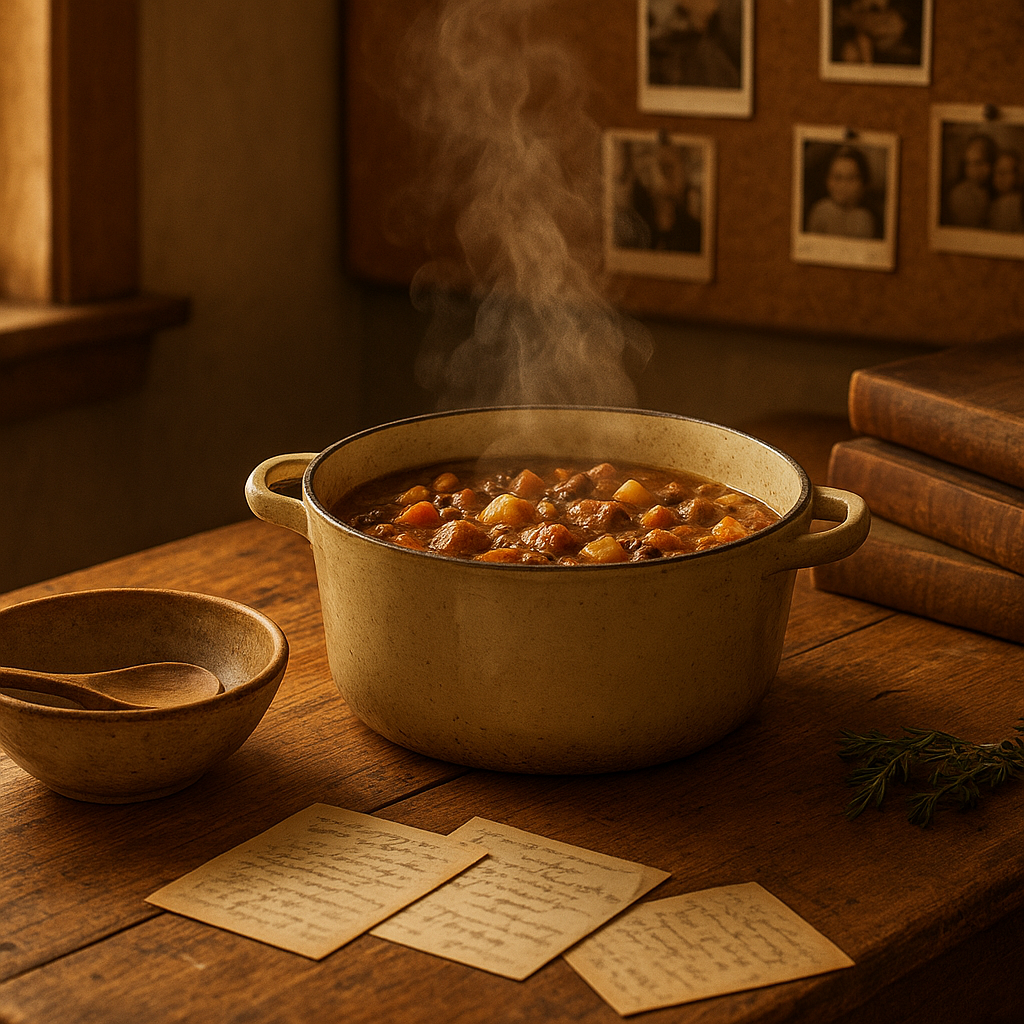
There’s something deeply satisfying about a bowl of macaroni cheese, a steaming plate of shepherd’s pie, or a thick slice of banana bread still warm from the oven. Comfort food has a way of reaching past hunger and touching something far more emotional — a memory, a feeling, a sense of being looked after. But where do these recipes actually come from? Why do certain dishes feel like a hug in food form, and how did they travel from humble kitchens into the cultural consciousness? The story of comfort food is far more fascinating than most people realise.
What Is Comfort Food, Really?
The term “comfort food” first appeared in print in 1966, in a Palm Beach Post article that described adults turning to “comfort food” during times of stress — specifically referencing the kinds of simple, nurturing meals associated with childhood. But the concept itself is as old as cooking. Long before anyone gave it a name, people were reaching for familiar, warming foods during difficult times.
At its core, comfort food is less about nutritional content and more about emotional association. Research published in the journal Psychological Science found that comfort foods are closely linked to feelings of social belonging — we tend to crave the foods that remind us of people and moments when we felt safe and loved. That’s why your comfort food and someone else’s might be completely different dishes. One person’s baked beans on toast is another person’s congee or chicken mole.
This emotional dimension is what separates comfort food from simply food that tastes good. A technically perfect, Michelin-starred dish might be more objectively impressive, but it rarely hits the same nerve as a slightly imperfect plate of something your grandmother used to make.
The Humble Origins of Classic Comfort Recipes
Most comfort food recipes weren’t born in restaurants or food magazines. They emerged from necessity — from communities making the most of what little they had, from mothers stretching ingredients to feed large families, from workers needing dense, calorie-rich meals to sustain them through physical labour. Understanding this history changes the way you look at even the simplest dishes.
Peasant Cooking and Making Do
Many of the world’s most beloved comfort dishes have distinctly working-class roots. French cassoulet — that rich, slow-cooked bean and meat casserole from the Languedoc region — was originally a peasant meal, assembled from whatever cuts of meat were left after wealthier households had taken their pick. Italian ribollita, the thick Tuscan bread-and-bean soup, translates literally as “reboiled” because it was made by reheating leftover minestrone with stale bread. Even the deeply satisfying Irish stew was born out of poverty, using the cheapest cuts of mutton and root vegetables that could be found.
This pattern repeats itself across cultures and continents. Japanese ramen, now an artisanal obsession worldwide, was originally street food for post-war workers in the 1940s and 50s — affordable, filling, and warming. Southern American mac and cheese traces its lineage back through Thomas Jefferson (who reportedly brought a pasta machine back from France), but it truly became a comfort staple in Black American households during the 19th and 20th centuries, where it was a fixture of Sunday dinners and special occasions.
Food as Medicine and Nourishment
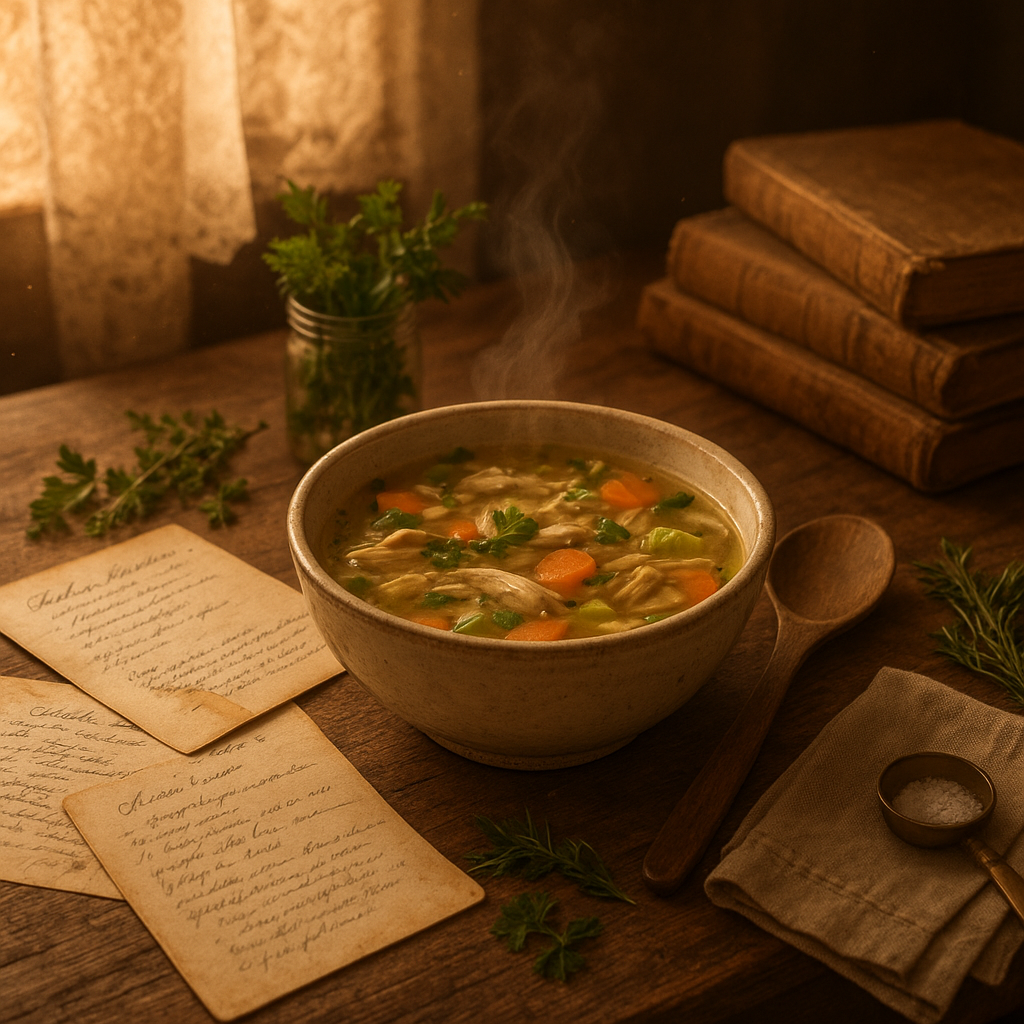
In many traditions, the line between comfort food and medicinal food is blurred almost beyond recognition. Chicken soup’s reputation as a cure-all is cross-cultural — Jewish goldene yoich, Chinese herbal chicken broth, and Caribbean chicken soup with dumplings all exist in this fascinating overlap between nourishment and healing. A 2000 study from the University of Nebraska actually found that chicken soup had mild anti-inflammatory properties that could help ease cold symptoms — suggesting that folk wisdom had it right long before clinical trials existed.
Spiced milky drinks like golden turmeric milk (now fashionable as “golden latte”) have been used in Ayurvedic tradition for centuries as evening soothers. Rice porridge in its many forms — congee in China, jook in Korea, arroz caldo in the Philippines — appears across Asia as the go-to restorative food for the sick, the elderly, and young children. These dishes didn’t become comfort foods by accident. They were actively assigned that role across generations.
What Is America’s Number One Comfort Food?
This question gets asked constantly, and the answer depends somewhat on who you ask. However, surveys consistently put macaroni and cheese and mashed potatoes at the very top of American comfort food lists. A 2020 survey by the Harris Poll found that mac and cheese was the most commonly cited comfort food in the United States, followed closely by pizza, mashed potatoes, and fried chicken.
What’s interesting about this list is how multicultural American comfort food has become. Pizza arrived with Italian immigrants in the late 19th century. Fried chicken draws heavily on West African cooking techniques that enslaved people brought with them. Tacos have crossed so thoroughly into mainstream American comfort eating that they barely register as “foreign” food anymore. America’s comfort food canon is a direct reflection of its immigration history.
Traditional Comfort Foods Around the World
Every culture has its roster of traditional comfort foods, and they tend to share certain characteristics: they’re warming, they’re filling, they often involve slow cooking or simple techniques, and they’re tied to family and memory. Here’s a glimpse at how comfort manifests in food across different parts of the world:
- United Kingdom: Shepherd’s pie, fish and chips, beans on toast, bread and butter pudding, a proper roast dinner
- Japan: Ramen, karaage fried chicken, oyakodon (chicken and egg rice bowl), nikujaga (meat and potato stew)
- India: Dal and rice, khichdi, aloo paratha, halwa
- Mexico: Pozole, tamales, frijoles de la olla, arroz con leche
- West Africa: Jollof rice, egusi soup, fufu with groundnut soup
- France: Soupe à l’oignon, pot-au-feu, gratin dauphinois, crème caramel
- China: Congee, red braised pork belly, hot pot, steamed egg custard
Notice how many of these dishes involve a starchy base (rice, potatoes, bread, dough), a slow-cooked element, and something rich — fat, protein, or sweetness. There’s a physiological reason for this. Carbohydrates and fats trigger the release of serotonin and dopamine in the brain. Our bodies literally feel better after eating these foods, which is why we reach for them when we’re sad, cold, tired, or stressed.
How Comfort Food Recipes Travel and Evolve
One of the most remarkable things about comfort food is how it migrates and mutates. Recipes don’t stay neatly within their borders — they travel with people, adapt to available ingredients, and take on new identities in new homes.
Immigration and Adaptation
When communities relocate, they bring their food memories with them and adapt them to what’s locally available. Italian-American red sauce dishes — spaghetti and meatballs as most people know them, for instance — look quite different from their Italian counterparts because immigrants in New York had access to cheaper, more abundant meat than they’d had at home. The dish evolved into something new, and that evolved version became its own comfort food tradition for generations of Italian-Americans.
Similarly, British Indian curry house food — the chicken tikka masala, the balti, the korma — represents a distinct cuisine that developed in the UK rather than in India. These dishes were created and refined to suit British palates and British ingredients. Chicken tikka masala is often jokingly called Britain’s national dish, which says a great deal about how thoroughly adopted comfort foods can become, even when they’re relatively recent arrivals.
The Role of Grandmothers (and Grandfathers)
It’s almost a cliché, but the grandmother figure looms large in comfort food history for a very real reason. Before food media, before cookbooks were widely accessible, before the internet, recipes were passed down through direct demonstration and oral tradition. A grandmother who made her stew a certain way taught her children and grandchildren not just the recipe, but the feel of it — when the sauce was right, how the pastry should look, what the soup smelled like when it was ready.
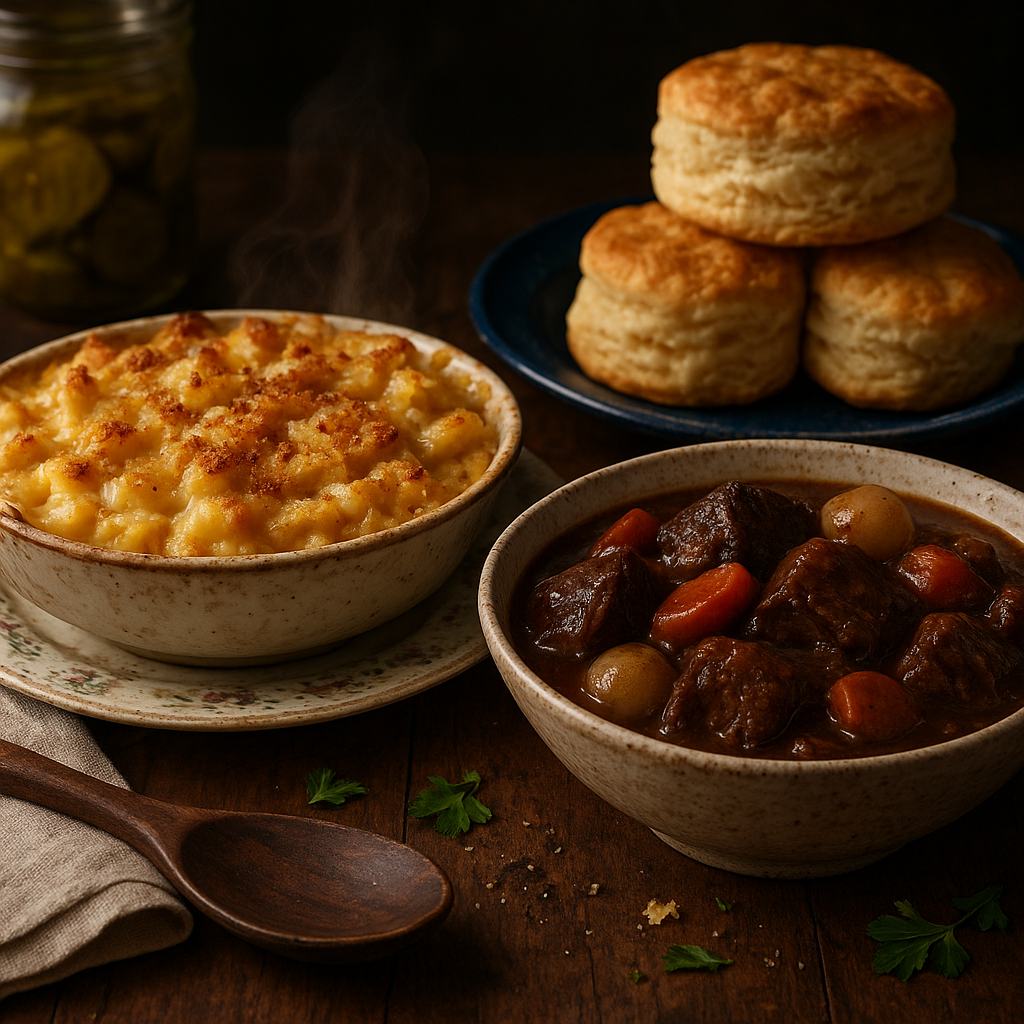
This is why so many comfort food recipes resist precise measurement. They were never written down that way. They live in muscle memory and sensory knowledge — a handful of this, a pinch of that, cook it until it looks right. Recreating a dish from childhood is often emotionally charged precisely because you’re trying to recover something that was never fully documented in the first place.
Are Comfort Foods Actually Unhealthy?
This is a fair question, and the honest answer is: it depends enormously on the dish. Many traditional comfort foods are actually nutritionally balanced — a bowl of lentil soup, a pot of chicken and vegetable stew, or congee with ginger are genuinely nourishing. The idea that all comfort food is junk food is a relatively modern association, driven partly by the rise of heavily processed convenience foods that borrow the emotional language of home cooking while delivering very little in the way of real nourishment.
That said, some comfort foods are genuinely rich in saturated fat, sugar, and refined carbohydrates. Context matters here. There’s meaningful difference between eating a slice of homemade apple crumble occasionally for genuine emotional comfort and using ultra-processed snack foods as a daily emotional crutch. The former has deep cultural roots and psychological validity; the latter is something food manufacturers have engineered specifically to mimic those feelings.
The Top Comfort Foods Worth Making From Scratch
If you’re thinking about which comfort food recipes are worth attempting at home, here are some of the most universally loved — and historically significant — options to consider:
- French onion soup — a dish with roots going back to ancient Rome, made extraordinary through patience and caramelisation
- Shepherd’s pie — a British classic from the 1870s, designed to make use of leftover Sunday roast
- Congee — one of the oldest comfort dishes in the world, endlessly adaptable and deeply soothing
- Macaroni cheese — a crowd-pleasing dish that rewards experimentation with different cheeses; if you’re looking for quick pasta meals to add to your weeknight rotation, there’s plenty of inspiration to be found
- Chicken soup — the universal restorer, appearing in almost every food culture in some form
- Dal — one of the most affordable, nourishing, and comforting dishes in the world, with thousands of regional variations
In Summary
Comfort food recipes come from necessity, memory, migration, and love. They emerged from peasant kitchens and street food stalls, from grandmothers who never wrote anything down, and from communities adapting their food traditions to new homes and new ingredients. They share certain qualities — warmth, richness, familiarity — but they look entirely different depending on where in the world you grew up and who was cooking for you.
Understanding where these dishes come from doesn’t diminish them; it makes them richer. When you eat a bowl of ramen, a plate of jollof rice, or a proper British pie, you’re eating something with a history stretching back generations. The recipe in front of you is just the latest version of a dish that has been feeding, consoling, and connecting people for a very long time. That, more than any single ingredient, is what makes comfort food what it is.
Related Posts
Why Your Brain Craves Mood-Boosting Foods When Emotions Run High