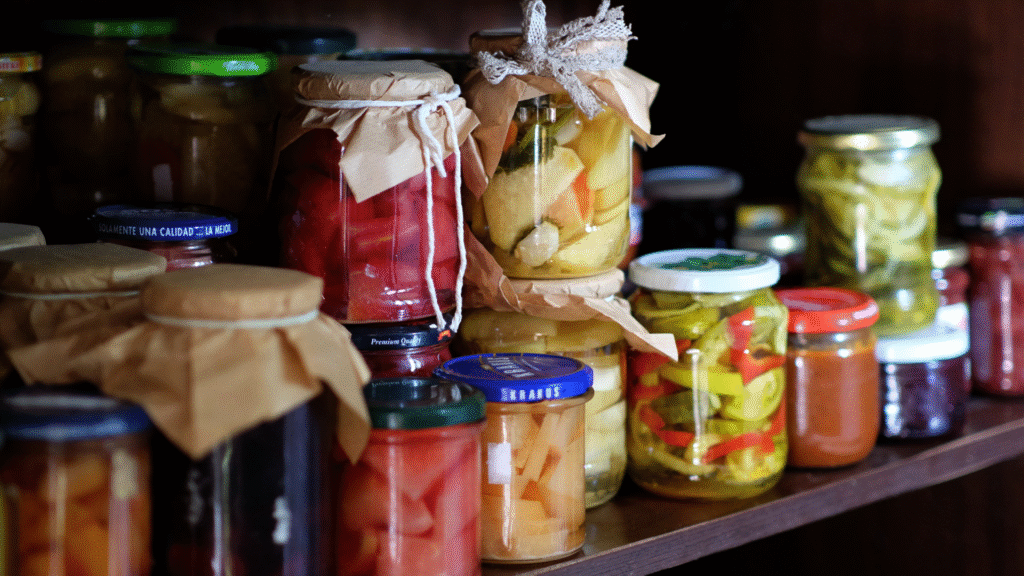
Time-Saving Cooking Tips for Busy Households to Simplify Meal Preparation and Maximise Efficiency

Busy households often struggle to find time to prepare healthy and satisfying meals. The key to overcoming this challenge lies in adopting practical strategies that reduce cooking time without compromising flavour or nutrition. Time-saving cooking tips focus on efficient meal planning, smart ingredient choices, and techniques that speed up the cooking process.
By incorporating simple habits like batch cooking, using versatile kitchen tools, and prioritising quick recipes, anyone can streamline their meal preparation. These methods help maximise cooking efficiency and minimise stress during busy weekdays.
Understanding how to save time in the kitchen can transform daily routines and make mealtime more manageable for households with demanding schedules.
Fundamental Time-Saving Cooking Strategies
Implementing key strategies such as structured meal planning, creating precise grocery lists, and preparing ingredients ahead can significantly reduce daily cooking time. These approaches help avoid last-minute decisions and streamline kitchen work, making busy household routines more manageable.
Meal Planning Essentials
Effective meal planning starts with selecting meals that share ingredients to reduce preparation time and waste. Planning for 3-5 days at a time allows flexibility while ensuring variety and balanced nutrition.
Using templates or apps helps organise meals and track ingredients. This method prevents spur-of-the-moment meal choices, which often lead to more cooking effort or additional store trips.
Batch cooking and freezing portions for later can be incorporated into the plan. It maximises time investment on cooking days and provides quick options for busy evenings.
Efficient Grocery Lists
A well-structured grocery list reflects the planned meals and focuses on essentials. Grouping items by store sections (e.g., dairy, produce, frozen goods) speeds up shopping trips.
Checking the pantry and fridge inventory before writing the list avoids buying duplicates and reduces waste. It also limits unnecessary store visits.
Using digital lists allows quick updates and sharing with other household members. This ensures everyone is prepared and saves time on coordination.
Prepping Ingredients in Advance
Preparation of ingredients ahead of cooking reduces active kitchen time significantly. Washing, chopping vegetables, and portioning proteins can be done on less busy days.
Using airtight containers or labelled bags helps keep prepared ingredients fresh and easily accessible. It also minimises clean-up during cooking sessions.
Some ingredients, like herbs or dressings, can be made in advance and stored refrigerated. This allows for quick assembly of meals without compromising flavour.
Maximising Kitchen Efficiency
Maximising efficiency in the kitchen saves time and reduces stress. Key changes include organised storage, an optimised layout, and the use of modern kitchen gadgets to speed up meal preparation.
Organising with Drawer Dividers and Labels
Using drawer dividers helps keep utensils, cutlery, and small tools neatly separated. This prevents clutter and speeds up finding items during cooking. Labels on containers and drawers clearly indicate contents, minimising time wasted searching for ingredients or equipment.
Placing frequently used items in the most accessible drawers aids smooth workflow. For example, keeping knives and measuring spoons close to the preparation area allows for quick retrieval. Adjustable dividers can be customised to fit different drawer sizes or to accommodate changing kitchen tools.
Smart Kitchen Layout and Accessibility
An efficient kitchen layout reduces unnecessary movement. Storing spices, oils, and utensils near the stove creates a practical cooking zone. Similarly, placing pots and pans close to the oven or hob avoids repeated walking.
Accessibility also means using shelves or racks to keep counters clear. Clear work surfaces speed up chopping, mixing, and assembling meals. They also make cleaning easier, which saves time in the long run.
Using Kitchen Gadgets for Speed
Time-saving kitchen tools like food processors and multi-use kitchen gadgets reduce manual effort. A food processor can quickly chop, blend, or knead dough, cutting preparation from minutes to seconds.
Other gadgets, such as electric peelers or mandoline slicers, save time on repetitive tasks. Choosing appliances that perform multiple functions helps reduce clutter and accelerate cooking steps. Proper care and maintenance of gadgets ensure they perform efficiently and last longer.
Smart Cooking Methods for Busy Households
Efficient cooking relies on methods that reduce preparation time and simplify clean-up. Using multi-functional appliances, preparing larger quantities at once, and reusing ingredients creatively are key strategies for saving time during busy weekdays.
Batch Cooking and Freezing Meals
Batch cooking involves preparing large portions of meals in one session and freezing them in meal-sized portions. This method saves significant weekday cooking time by eliminating daily meal prep.
Common batch-cooked meals include stews, pasta sauces, and casseroles. Using airtight containers prevents freezer burn and maintains flavour. Label meals with dates to ensure freshness.
Planning a weekly or fortnightly batch cooking session helps keep the freezer stocked. It is ideal for busy households where time is limited in the evenings, allowing quick reheating of home-cooked meals instead of ordering takeout.
Embracing One-Pot and Sheet Pan Recipes
One-pot meals combine all ingredients in a single pot, reducing both prep and cleaning time. Examples include stir-fries, risottos, and hearty soups.
Sheet pan recipes bake multiple ingredients together on one tray. This method works well for roasting vegetables and proteins simultaneously.
Saving Time on Cleanup and Daily Routines
Effective daily habits can significantly reduce the time spent on kitchen cleanup. Using practical strategies in the moment prevents mess from building up and speeds up overall cleaning.
Clean As You Go Habits
Maintaining clean-as-you-go habits means washing or rinsing utensils and dishes while cooking. It prevents piling up dirty pots and pans, making post-meal cleanup quicker.
Wiping down surfaces immediately after use stops stains and crumbs from hardening. This practice also keeps the kitchen organised and ready for the next dish.
Organising ingredients before starting to cook reduces spills and messes. Using dedicated bowls for scraps helps keep counters tidy, which cuts down on cleaning time later.
Quick Cleaning Kitchen Hacks
Soaking pots and pans with stuck-on food in warm soapy water immediately after use softens residue. This saves scrubbing time during the main cleanup.
Using multipurpose kitchen sponges speeds cleaning as one tool can handle dishes, surfaces, and appliances. Regularly sanitising sponges also prevents bacteria build-up.
Employing disposable liners for baking sheets or trays minimises scrubbing. They can be discarded after cooking, reducing the post-cooking workload.
Fitting the sink with a strainer traps food debris, preventing clogged drains and simplifying daily sink maintenance. This small step avoids lengthy plumbing issues later on.
Related Posts
How To Season Food Like A Professional Chef With Expert Tips And Techniques
How to Stock a Nourishing and Versatile Pantry for Balanced, Everyday Cooking