
How to Store Baked Goods for Lasting Freshness Without Sacrificing Taste or Texture
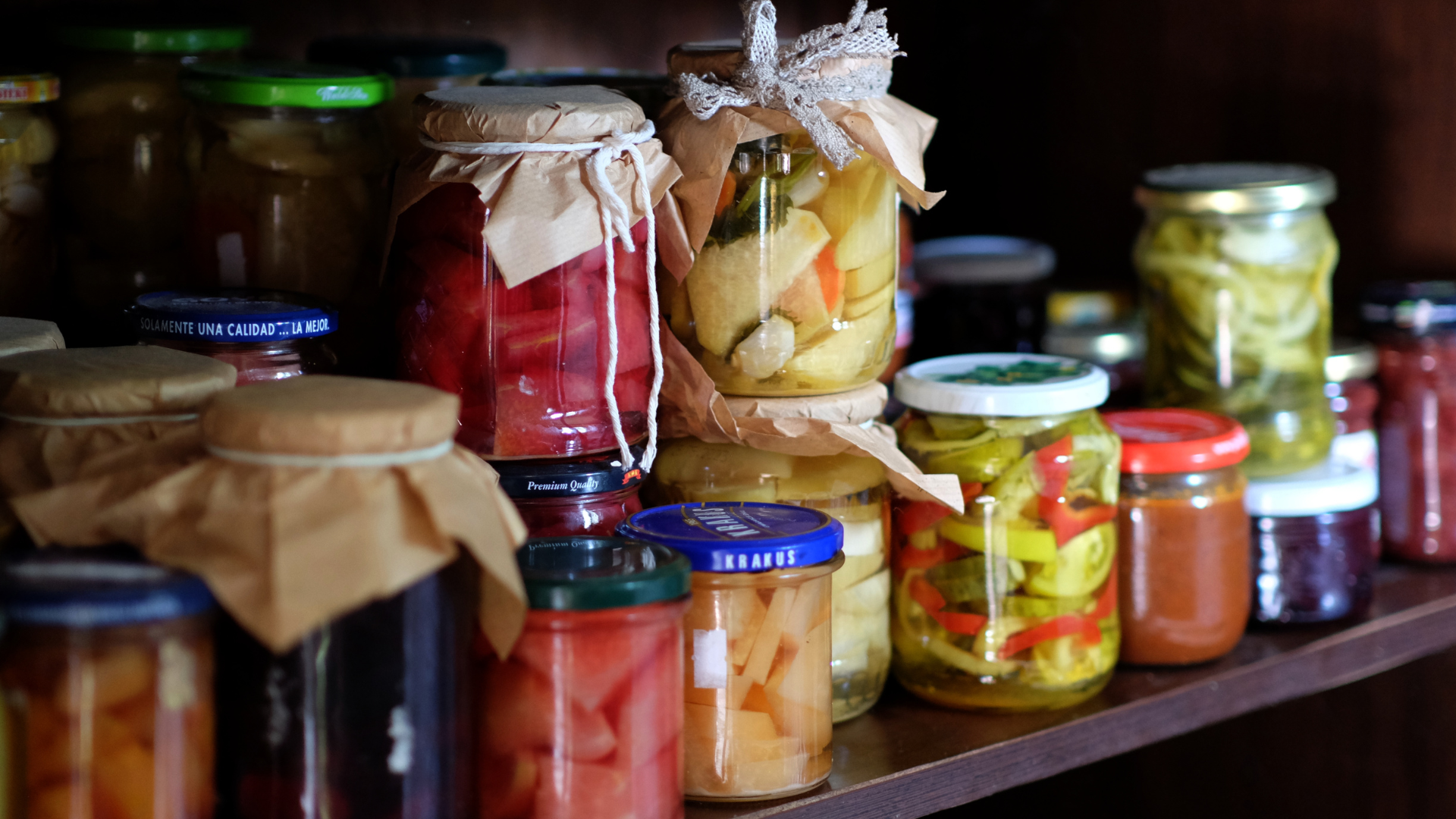
Storing baked goods properly is key to maintaining their freshness and texture for as long as possible. Moisture, air exposure, and temperature all affect how quickly baked goods lose their quality. The best way to keep baked goods fresh is to store them in airtight containers at room temperature, away from direct heat or sunlight.
Different types of baked goods require slightly different storage methods to retain their flavour and softness. For example, bread should be wrapped in a breathable cloth or paper before being placed in a bag, while cakes with frosting benefit from being stored in a sealed container in a cool place.
Freezing is another effective method to prolong freshness, especially for items like cookies or sponge cakes that can be thawed when needed. Understanding these simple techniques helps prevent waste and ensures baked goods stay enjoyable longer.
Best Practices for Storing Baked Goods
Proper storage involves selecting the right container, placing goods in suitable conditions, and controlling humidity and temperature. These elements are crucial for maintaining the freshness and texture of baked goods.
Choosing Suitable Storage Containers
The choice of container directly impacts how long baked goods stay fresh. Airtight containers reduce air exposure, slowing moisture loss and preventing staling. For items like cookies and cakes, plastic containers with tight-fitting lids are effective.
Paper bags work well for crusty breads to maintain texture, but they should be used only for short-term storage. Glass jars are suitable for biscuits or dry goods, but must be sealed properly to guard against moisture.
Avoid containers that trap too much humidity or lose air-tightness quickly, as this can cause sogginess or mould growth.
Optimal Storage Locations and Conditions
Baked goods last longest when stored in cool, dry places away from sunlight. Kitchens can be warm and humid, so a dedicated cupboard or pantry at room temperature (around 20°C) is preferable.
Refrigeration is beneficial for products with cream or custard, but it often dries out bread and cakes. If refrigeration is necessary, placing goods in airtight packaging prevents staleness.
Avoid storing bread near fruit bowls or heat sources, as ethylene gas and warmth accelerate spoilage.
Humidity and Temperature Management
Controlling humidity is essential to prevent baked goods from drying out or becoming soggy. For breads and pastries, a relative humidity of about 60-70% is ideal to retain moisture without encouraging mould.
Temperatures between 18°C and 22°C help maintain freshness for most baked items. Higher temperatures promote staling, while too low temperatures can dry them out.
Using silica gel packs or moisture absorbers can benefit delicate products in high-humidity climates. Monitoring both temperature and humidity ensures optimal texture and flavour longevity.
How to Store Different Types of Baked Goods
Proper storage varies by type of baked good and is key to maintaining texture and flavour. Moisture control, temperature, and the right container all affect freshness. Each category requires specific methods to avoid spoilage and staleness.
Bread Storage Techniques
Bread should be stored at room temperature in a paper bag or bread box to maintain crust crispness while preventing excessive dryness. Avoid plastic bags unless the bread will be consumed within a day or two, as they trap moisture and encourage mould.
For longer storage, bread can be sliced and frozen in a sealed airtight bag. Defrost slices as needed to preserve texture. Avoid refrigeration, as this speeds up staling by drying out the bread quickly.
If bread contains a high moisture level (such as rye or seeded varieties), it is even more prone to mould and requires airtight storage or freezing for optimal preservation.
Storing Biscuits and Cookies
Cookies and biscuits should be stored in an airtight container at room temperature to keep them crisp or chewy, depending on their type. For crisp biscuits, a dry environment and separation from soft varieties help maintain texture.
If the biscuits are soft or contain fillings (like jam or cream), storing them with a slice of bread can help retain moisture without becoming soggy. Alternatively, freeze cookies in airtight containers for a longer shelf life.
Avoid refrigeration, which can harden many types of biscuits due to moisture loss. Layering cookies with parchment paper prevents sticking and breakage.
Preserving Cakes and Pastries
Cakes with buttercream or cream fillings require refrigeration in an airtight container to prevent the growth of bacteria. Cover cakes tightly with plastic wrap or place in a cake dome to avoid drying out.
For simple sponge cakes or fruit cakes, wrapping in cling film and storing at room temperature is sufficient, typically for a few days. Pastries with custard or cream should always be refrigerated and consumed within two days.
Freezing cakes and pastry dough works well if wrapped properly to avoid freezer burn. Defrost cakes slowly in the fridge to maintain moisture and texture.
Extending Freshness and Shelf Life
Proper techniques can significantly prolong the freshness and shelf life of baked goods. Managing moisture, temperature, and packaging are key factors that affect how long these products remain enjoyable.
Freezing and Thawing Methods
Freezing is one of the most effective ways to preserve freshness without compromising texture. Items like bread, cakes, and cookies should be wrapped tightly in cling film and placed inside an airtight container or freezer bag to prevent freezer burn.
When thawing, it is best to leave baked goods at room temperature still wrapped, which helps retain moisture. Avoid microwaving, as it can make products dry or rubbery. For breads, a brief oven reheat at low temperature restores crust crispness.
Using Emulsifiers to Maintain Quality
Emulsifiers like lecithin and mono- and diglycerides help maintain moisture and texture over time. They improve the distribution of fats and water in the dough, which slows staling and firming.
Commercial bakeries often add these ingredients to extend shelf life without preservatives. Home bakers can use natural alternatives like egg yolks to improve softness and delay crumb hardening.
Creative Freshness Hacks
Using a slice of apple or a damp paper towel inside the storage container helps maintain humidity, keeping baked goods soft. For example, placing a slice of bread with cookies can prevent them from going hard quickly.
Storing items like muffins in breathable paper bags before placing them in airtight containers balances moisture and airflow, reducing sogginess. Labelling and rotating stock ensures older products are consumed first, minimising waste.
Related Posts
How To Season Food Like A Professional Chef With Expert Tips And Techniques
How to Stock a Nourishing and Versatile Pantry for Balanced, Everyday Cooking