
How to Stock a Nourishing and Versatile Pantry for Balanced, Everyday Cooking

Stocking a nourishing and versatile pantry is key to preparing healthy meals efficiently. A well-stocked pantry includes a balance of whole grains, legumes, canned vegetables, nuts, seeds, and a variety of spices to support diverse and nutritious cooking. This foundation ensures ingredients are always available, reducing reliance on processed foods and emergency takeout.
He or she can choose staple items that offer flexibility for different recipes, from soups and stews to salads and snacks. Prioritising nutrient-dense, minimally processed foods makes it easier to maintain a balanced diet while saving time and money.
Knowing which items to keep on hand allows for quick meal preparation without sacrificing quality or flavour. This approach benefits both everyday cooking and unexpected situations where fresh ingredients may be limited.
Core Principles of a Nourishing and Versatile Pantry
A well-stocked kitchen pantry requires careful planning to ensure ingredients are accessible, nutritious, and practical for daily use. Effective storage, nutritional balance, and supply rotation are essential to maintain freshness and variety.
Storage Solutions and Organisation
Efficient use of kitchen cabinets and pantry shelves maximises space and ease of access. Clear, airtight containers protect staples like grains, beans, and nuts from moisture and pests while making it easy to view contents.
Label containers with expiry dates and organise items by frequency of use—placing everyday essentials at eye level speeds up meal preparation. Vertical storage solutions and adjustable shelving can increase available space, especially in smaller pantries.
Grouping similar items together, such as baking ingredients or canned goods, prevents clutter and saves time. Consider a dedicated spice rack or drawer near cooking areas for quick seasoning access.
Balancing Nutrition and Practicality
A nourishing pantry combines nutrient-rich ingredients with versatility. Staples should include whole grains (brown rice, quinoa), legumes, canned tomatoes, nuts, seeds, and various dried herbs.
Including both shelf-stable proteins (like lentils, chickpeas) and healthy fats (olive oil, nut butters) enables balanced meals without frequent shopping. Practicality demands keeping fast staples that cook quickly and support diverse cuisines, enhancing meal options.
Healthy snacks like dried fruit or roasted chickpeas deliver energy without sacrificing shelf life. A mix of fresh ingredients and pantry staples ensures the kitchen pantry can support varied, balanced meals.
How to Assess and Rotate Supplies
Regularly checking expiry dates prevents waste and keeps the pantry functional. Setting a monthly schedule to review contents helps identify items nearing use-by dates or spoilage.
First-in, first-out (FIFO) rotation moves older products to the front, reducing the risk of forgotten or expired food. Using inventory lists and apps can assist with tracking.
Discard any damaged packaging or expired foods promptly. Rotating supplies maintains freshness and ensures the kitchen pantry remains a reliable resource for meal preparation.
Essential Pantry Staples to Stock
A well-stocked pantry centres on versatile, long-lasting ingredients that support a range of meals. Staples such as grains, pulses, canned goods, and spices form the foundation, ensuring both nutrition and flavour are always within reach.
Grains, Pulses and Pasta Essentials
Grains like rice and oatmeal provide a filling base for many dishes and can be used in everything from breakfast to dinner. Flour is crucial for baking and thickening sauces, so it should always be on hand.
Pulses such as lentils, beans, and kidney beans are valuable for protein, fibre, and versatility. These dry or canned options extend shelf life and enable quick meal prep.
Pasta is a quick and flexible staple that pairs well with various sauces and spices. Choosing wholegrain pasta adds nutritional benefits while maintaining convenience.
Canned and Jarred Goods
Canned goods are essential for adding flavour and nutrition without requiring refrigeration. Canned tomatoes and tomato paste form the base for sauces, stews, and soups.
Beans in cans, especially varieties like kidney beans, offer ready-to-use protein options. They save cooking time and help diversify meals.
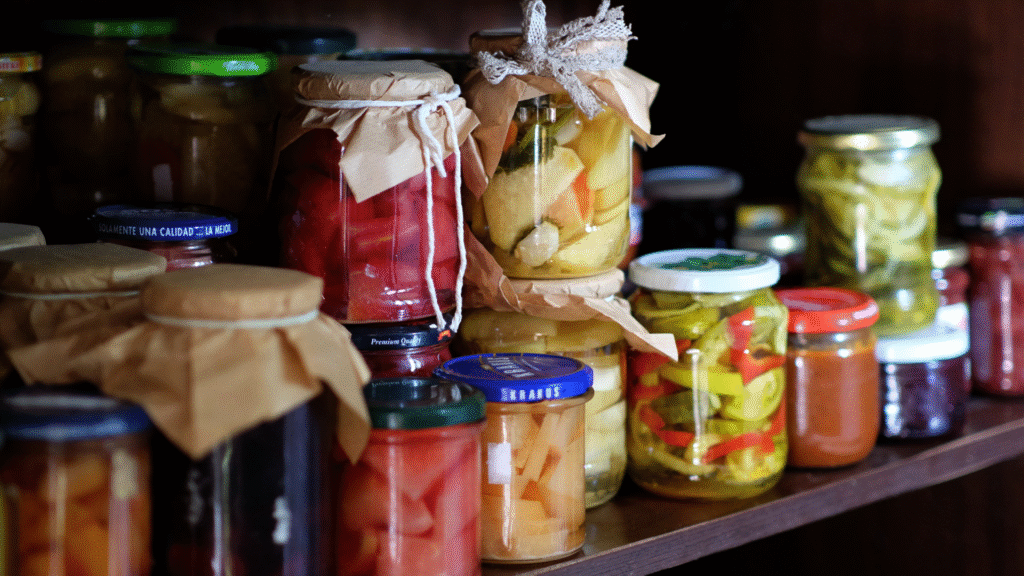
Other jars, such as olives, pickles, or chutneys, can enhance everyday dishes. Their long shelf life makes them practical staples for adding bursts of taste.
Key Spices, Herbs and Seasonings
A well-chosen selection of seasonings transforms simple ingredients into delicious meals. Basic salts and freshly ground pepper are indispensable.
Curry powder adds warmth and complexity to a variety of dishes, from stews to roasted vegetables. Cinnamon is versatile, suitable for both sweet and savoury uses.
Other important pantry spices include paprika, cumin, and dried herbs like oregano or thyme. These allow for a range of cuisines without needing fresh ingredients.
Everyday Refrigerated and Perishable Items
A well-stocked refrigerated section includes items that support a variety of meals and provide essential nutrients. These products should offer flexibility for cooking and snacking while maintaining freshness over several days.
Dairy and Alternatives
Milk serves as a foundation for many recipes and is key for drinking, cooking, and baking. It is useful to keep both fresh milk and powdered milk for emergencies or longer storage.
Cheese varieties such as cheddar, mozzarella, and feta add depth to dishes, while butter is essential for flavouring and baking. Cream and sour cream offer richness and can be used in sauces, soups, and desserts.
Yoghurt is versatile for breakfast, snacks, or dressings. Plant-based dairy alternatives like almond or oat milk may be included for dietary preferences, but check the nutritional content closely.
Fresh Produce That Lasts
Onions and garlic form the base of most savoury meals and store well in a cool, dark place, even if refrigerated. Potatoes last longer when kept in cool, dry conditions and can provide a hearty starch option.
Greens like kale or spinach are nutrient-dense but should be consumed quickly or used in batches to avoid waste. Some hardy vegetables and fruits, such as carrots and apples, also last well in the fridge and complement a variety of meals.
Versatile Proteins
Eggs are a staple for many diets, offering protein and versatility for breakfast, baking, and cooking. Bacon can add flavour and can be used sparingly to enrich dishes.
For longer storage and flexibility, consider portioning proteins and freezing extras. Combining these with dairy and produce expands meal options significantly.
Staple Condiments, Nut Butters and Special Additions
A well-stocked pantry contains versatile flavour boosters that enhance various dishes. Vinegars and mustards add acidity and depth, while nut butters provide richness and texture. Favourite sauces and condiments complete meals with distinctive tastes and convenience.
Vinegars and Mustards
Vinegars are essential for balancing flavours and adding brightness. Apple cider vinegar is popular for dressings and marinades due to its mild acidity and fruity notes. White wine vinegar works well in lighter sauces, while balsamic offers a sweeter, more complex taste.
Mustard varies from smooth yellow to spicy Dijon. It enhances dressings, marinades, and sandwiches. A basic yellow mustard covers everyday needs, but Dijon is preferred for recipes requiring a sharper flavour.
Both vinegars and mustards work as preservatives and help tenderise meats. Keeping at least two types of each allows flexibility in the kitchen.
Nut Butters and Spreads
Nut butters like peanut butter and almond butter add protein and healthy fats. Peanut butter is a pantry staple for quick snacks, smoothies, and sauces, especially in Asian-inspired dishes or pasta sauces.
Other nut butters, such as cashew or hazelnut, offer variety and unique flavours. They can be used in baking, spreading, or enriching homemade pasta sauces with creaminess.
Choosing natural, unsweetened versions provides control over sugar and salt content. Storing nut butters properly, usually in a cool place or refrigerator after opening, prevents spoilage.
Favourite Sauces and Condiments
Soy sauce is indispensable for adding umami to many dishes, from stir-fries to soups. Keeping both light and dark varieties can enhance different cooking styles.
Pasta sauces, whether store-bought or homemade, are pantry essentials. Tomato-based sauces, pesto, or creamy options provide quick meal solutions.
Additional condiments like chilli sauce, chutneys, or pickles offer strong flavour contrasts and convenience. Having a selection tailored to personal taste ensures meals are never bland.
Related Posts
How To Season Food Like A Professional Chef With Expert Tips And Techniques
How to Store Baked Goods for Lasting Freshness Without Sacrificing Taste or Texture