Baking Tips Every Beginner Should Know for Perfect Results Every Time
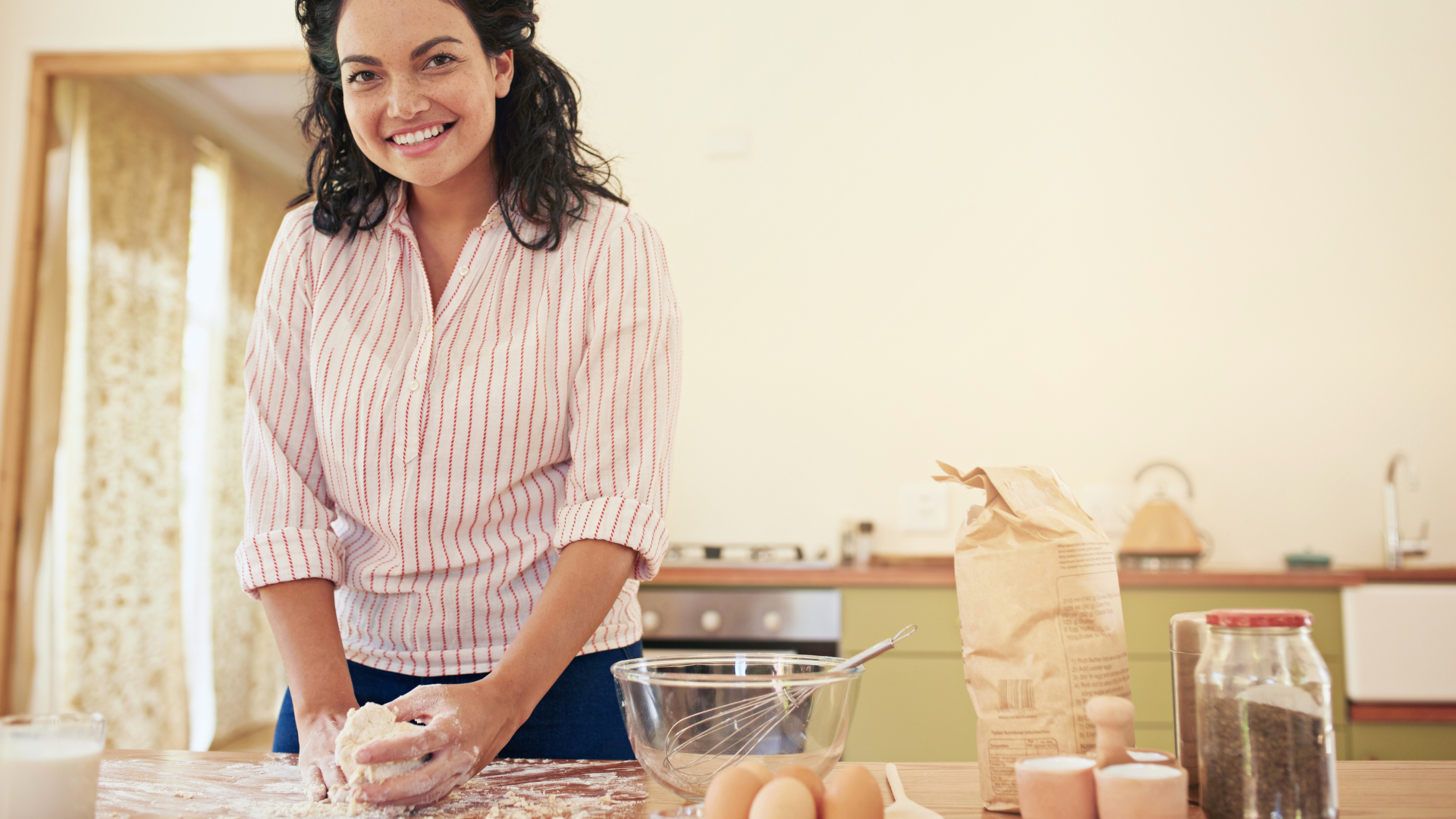
Baking can seem daunting at first, but mastering a few key tips makes the process much simpler. Understanding measurements, ingredient quality, and baking times is a crucial element every beginner should focus on to achieve consistent results.
Many new bakers struggle with common mistakes like overmixing batter or not preheating the oven properly. Knowing how to avoid these issues helps improve the texture and flavour of baked goods significantly.
This blog post covers essential tips that build a strong foundation for anyone starting out in baking. It provides practical advice that turns baking from a challenge into an enjoyable experience.
Essential Baking Tips and Techniques
Successful baking relies on precision, controlled temperatures, and mixing methods. Understanding these core elements helps achieve consistent texture, rise, and flavour in baked goods.
Accurate Measuring Methods
Precise measurements of ingredients are crucial in baking. Using digital scales provides the most accuracy, especially for flour, sugar, and butter. Weight measurements help avoid common errors caused by scooping, which can pack ingredients differently.
For dry ingredients, a spoon or a scoop with a flat edge is preferable. Liquids should be measured in clear, graduated measuring jugs placed on a flat surface. Avoid guessing or eyeballing quantities, as even small variations affect the final bake.
A table summarising useful tips:
| Ingredient Type | Best Measuring Tool | Tip |
| Dry | Digital kitchen scale | Level with a flat edge |
| Liquid | Graduated jug | Measure at eye level for accuracy |
| Small quantities | Measuring spoons | Use for baking powder/salt |
Preheating and Oven Temperature Control
Preheating ensures consistent oven heat before placing the dough or batter inside. An oven thermometer is essential because many ovens do not display accurate temperatures. This tool helps avoid undercooking or overcooking.
Ovens require a few minutes to reach the target temperature, usually around 10-15 minutes. Opening the door during baking reduces even heat distribution, so it should be avoided unless necessary. Adjust baking times based on how your oven performs with an oven thermometer.
For uneven ovens, rotating trays halfway through baking ensures even heat exposure, which is critical for uniform browning and rising.
Mixing Approaches for Perfect Bakes
Mixing techniques vary according to the recipe and desired texture. Overmixing can develop gluten excessively, making cakes dense or tough. Undermixing can leave lumps and uneven rising.
Combination batters like muffins require gentle folding to keep air bubbles intact. Creaming butter and sugar until light introduces necessary air for fluffiness. Dry ingredients should be sifted before mixing to avoid clumps and improve aeration.
Using multiple mixing bowls for wet and dry ingredients helps control consistency. Proper mixing promotes even distribution of ingredients, which is essential for uniform texture and rise.
Key Tools and Equipment for Beginners
Having the right equipment streamlines the baking process and improves results. Essential items include durable pans, reliable mixing tools, and materials that prevent sticking and burning.
Choosing the Right Baking Pans
Selecting baking pans depends on the recipe and desired outcome. Metal pans, such as aluminium or stainless steel, offer even heat distribution, essential for cakes and biscuits.
Glass or ceramic pans hold heat longer and are ideal for casseroles or denser bakes, but may require adjusted baking times.
Non-stick pans reduce the risk of sticking but might alter crust texture. Beginners should have at least one 9-inch round cake pan, a loaf tin, and a baking sheet to cover various recipes.
Benefits of Using Parchment Paper
Parchment paper prevents food from sticking, saving time and reducing cleaning effort. It works well for lining cake tins, baking trays, and shaping items like biscuits.
It also helps achieve even browning by allowing steam to escape while protecting delicate bakes from direct heat. Using parchment paper means no need to grease pans, reducing fat in recipes.
It is heat-resistant up to about 220°C, so it suits most home baking applications.
Hand Mixers Versus Stand Mixers
Hand mixers offer portability and ease of use for typical home baking tasks like whipping cream or mixing batter. They are lightweight and easier to store, but may struggle with large volumes or dense dough.
Stand mixers provide power and stability, especially when working with bread dough or multiple ingredients. They often include attachments for kneading and whipping, making them versatile.
A beginner might start with a hand mixer and upgrade to a stand mixer for efficiency and capacity as their skills develop. Mixing bowls used with these tools should be sturdy and large enough to prevent a mess.
Common Beginner Mistakes and Troubleshooting
Beginners often encounter specific issues related to mixing techniques, ingredient temperatures, and baking times. Addressing these can improve the texture and rise of baked goods significantly.
Overmixing and Undermixing
Overmixing batter can cause baked items like cakes and muffins to become dense and tough. This happens because excess gluten develops, reducing tenderness and causing an uneven crumb.
Undermixing leaves pockets of dry flour or unevenly distributed ingredients, resulting in inconsistent texture and flavour. It is important to mix until ingredients are just combined, especially with delicate batters.
When folding in ingredients such as whipped egg whites or flour, gentle, slow motions preserve air bubbles. Using a stand mixer on a low setting or mixing by hand helps control the process.
Ingredient Temperatures
Using ingredients at the right temperature affects how well they combine and rise. For example, butter and eggs should generally be at room temperature to create a smooth, even batter.
Cold butter can cause lumps and poor mixing, while overly warm butter may separate or create greasy textures. Similarly, cold eggs can shock the batter, leading to curdling.
Maintaining even heat distribution in the oven ensures consistent baking. An oven thermometer helps verify the correct temperature, as built-in oven dials are often inaccurate.
Interpreting Baking Times
Baking times vary with oven type, pan size, and altitude, so following times exactly can be misleading. A cake that looks done on the surface may still be gooey inside.
To check doneness, insert a skewer or toothpick into the centre. It should come out clean or with just a few crumbs attached. Avoid opening the oven door frequently, as it disrupts temperature stability.
Different ovens heat unevenly. Rotating trays halfway helps promote even cooking and prevents overbaking on one side. Using oven thermometers can highlight temperature hotspots or cold zones.
Baking Classics Every Beginner Should Try
Starting with simple, reliable recipes builds essential skills and confidence. It’s important to understand basic techniques like dough consistency and baking times before moving to more intricate recipes.
Mastering Cookies
Cookies are an excellent entry point into baking due to their straightforward ingredients and process. Beginners should focus on measuring ingredients precisely, especially butter and sugar, as their ratios affect texture and spread.
Using room temperature butter helps create a smooth dough. Baking sheets should be lined with parchment paper to prevent sticking and ensure even cooking.
Watch baking times carefully; overbaking leads to hard cookies, while underbaking results in a doughy centre. Let cookies cool on the tray for a few minutes before transferring to a wire rack to finish cooling evenly.
Exploring Macarons
Macarons demand precision and patience. The key is mastering the meringue by whipping egg whites to stiff peaks without over- or under-whipping. Almond flour should be finely ground and sifted to avoid a gritty texture.
Folding the dry ingredients into the meringue requires gentle, controlled motions to achieve the right batter consistency, known as the “lava” stage. Over-mixing or under-mixing affects the final shape and surface.
Resting the piped batter before baking develops the smooth shell and characteristic “feet.” Baking temperatures must be accurate, ideally around 140–150°C, to avoid cracked shells or hollow insides.
Related Posts
How To Season Food Like A Professional Chef With Expert Tips And Techniques
How to Stock a Nourishing and Versatile Pantry for Balanced, Everyday Cooking