How to Bake Perfect Cookies Every Time: Tips for Consistent Results
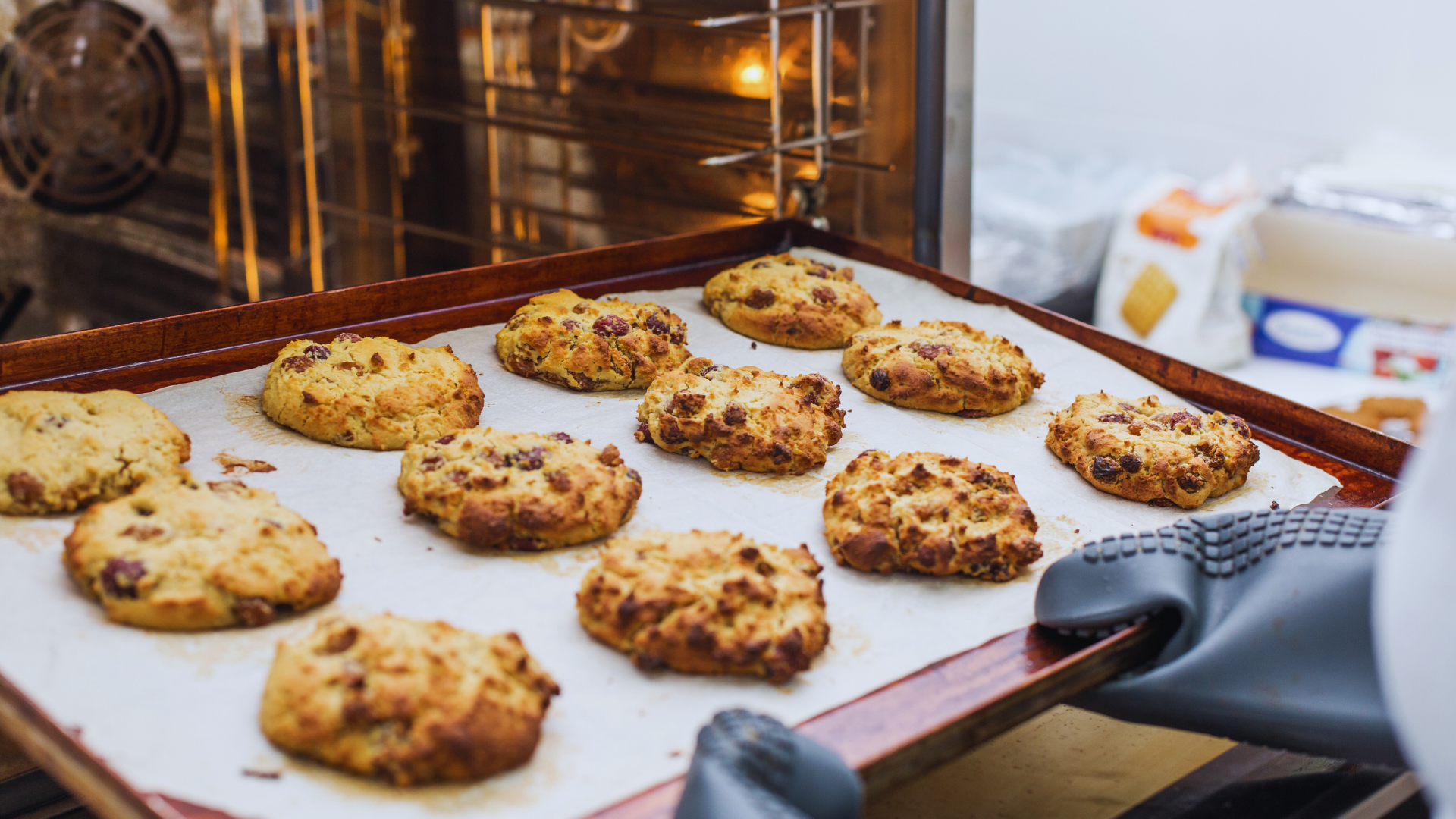
Baking cookies can be a rewarding experience, yet many home bakers struggle to achieve that perfect texture and flavour. By mastering a few key techniques, anyone can bake perfect cookies every time. The importance of measuring ingredients accurately and following the recipe cannot be overstated.
It’s crucial to select high-quality ingredients, as they significantly affect the final product. Understanding how different types of flour, sugars, and fats work together creates the ideal cookie base. After all, a well-balanced combination of these elements can lead to delicious results.
Baking cookies also requires attention to detail during the mixing and baking process. Techniques such as proper creaming of butter and sugar, as well as knowing the right baking temperature and time, make a noticeable difference. With these insights, aspiring bakers will find themselves on the path to cookie perfection.
Essential Baking Tools and Materials
Having the right tools and materials is crucial for baking perfect cookies consistently. The choice of baking paper, measuring equipment, and baking surfaces can significantly impact the outcome of the cookies.
Choosing the Right Baking Paper
When selecting baking paper, parchment paper is a popular choice. It is non-stick and suitable for all types of baking, allowing cookies to bake evenly without sticking to the tray. Parchment paper can withstand high temperatures, making it ideal for cookie recipes that require longer baking times.
Aluminium foil is another option, but it does not have non-stick properties. Placing a layer of oil or cooking spray can enhance its non-stick ability. However, it may not produce the same crispiness as parchment paper. It also conducts heat differently, possibly leading to uneven baking.
Measuring Equipment for Accurate Baking
Accurate measurements are essential in baking. A kitchen scale provides the most precise results for ingredients like flour and sugar. Measuring by weight eliminates variation that can occur when using measuring cups.
Using graduated measuring cups for liquids and dry ingredients also contributes to consistency. Always level off dry ingredients for accuracy. Measuring spoons are important for smaller quantities, ensuring that baking soda, salt, or spices are accurate.
Include a thermometer for checking oven temperature, as inaccurate readings can affect baking times and results. Thermometers help in maintaining the ideal environment for cookie dough to rise and bake properly.
Benefits of Silicone Baking Mats vs. Aluminium Foil
Silicone baking mats offer several advantages over aluminium foil. They are reusable, making them an eco-friendly choice. Silicone mats provide a non-stick surface, which reduces the need for additional greasing.
Moreover, they distribute heat evenly, promoting uniform baking. This can help prevent burnt edges or undercooked centres, common issues with foil. Silicone mats are also easy to clean, requiring just a quick wipe after use.
Aluminium foil, while useful, often lacks these benefits. It may not provide the same non-stick properties unless oiled, and it can reflect heat, sometimes leading to uneven baking.
Mastering the Cookie Dough
Creating the perfect cookie begins with the cookie dough. Key techniques like creaming butter and sugar, measuring ingredients accurately, and understanding dough consistency are essential for achieving delightful results.
The Importance of Creaming Butter and Sugar
Creaming butter and sugar is a crucial first step in cookie making. This process helps to incorporate air into the mixture, leading to a light and chewy texture. They should be at room temperature to blend effectively.
Using softened butter allows it to emulsify with sugar. Granulated sugar creates a crisp texture, while brown sugar adds moisture and chewiness. For softer cookies, a combination of both sugars is ideal.
Cream until the mixture becomes pale and fluffy. This typically takes about 2-3 minutes with an electric mixer. Skipping this step can result in dense and tough cookies.
Measuring Ingredients with Precision
Accurate measurements are vital for cookie perfection. A kitchen scale is the most reliable tool for weighing ingredients like flour and sugar. While cups are common for measuring, they can lead to inconsistencies.
Flour should be spooned into a measuring cup and leveled off with a straight edge. Packing flour can result in using too much, leading to dry cookies.
If a recipe calls for cornstarch, measuring carefully ensures the right amount goes into the dough. When making substitutions, such as using a gluten-free flour blend, it’s crucial to adjust other ingredients as needed to maintain the right texture.
Understanding Dough Consistency
The consistency of cookie dough greatly influences the final product. A dough that is too wet will spread too much during baking, resulting in flat cookies. Conversely, a dry dough will yield a crumbly texture.
After mixing, the dough should be slightly tacky but not sticky. To achieve the perfect texture, consider adjusting the flour amount and the type used. Techniques like chilling the dough can also impact spread and chewiness.
For chewy cookies, incorporating a higher ratio of brown sugar and adding a bit of extra cornstarch can enhance the texture. Knowing these characteristics allows for better control over the outcome of the cookie.
Baking Techniques for Perfect Cookies
Mastering cookie baking involves understanding key techniques that ensure consistent results. Focus on controlling oven conditions and dough preparation for optimal texture and flavour.
Preheating and Knowing Your Oven
Preheating the oven is crucial for baking cookies. This step guarantees that cookies start baking at the correct temperature, allowing them to rise and set properly.
Bakers should invest time in knowing their oven’s idiosyncrasies. Different ovens can have hot spots or might not be accurate in temperature readings. Using an oven thermometer can help verify the internal temperature.
In general, preheating takes about 10-15 minutes. Allowing the oven to reach the desired temperature ensures even baking. Ignoring this step can result in cookies that are burnt on the outside and undercooked inside.
The Role of Chilling and Freezing Dough
Chilling cookie dough before baking can dramatically improve the texture of cookies. Cool dough provides the necessary structure, allowing cookies to hold their shape while baking.
Refrigeration for at least 30 minutes is recommended, but longer chilling, even overnight, can enhance flavour. For even more convenience, bakers can freeze cookie dough. This allows for quick baking whenever a craving strikes.
To freeze cookie dough, shape it into balls and place them on a baking sheet lined with parchment paper. Once frozen, transfer the balls to a freezer bag. This ensures fresh cookies are always on hand.
Cookie Baking Time and Temperature
Timing and temperature are essential in cookie baking. Most recipes call for baking at temperatures between 160°C to 180°C. This range helps to achieve a golden-brown exterior with a chewy centre.
Baking times typically range from 8 to 12 minutes. Keeping an eye on the cookies as they bake prevents overcooking. Once edges turn golden, it’s advisable to remove them from the oven.
Cookies continue to bake on the tray after removal. Therefore, it’s beneficial to transfer them to a wire rack for cooling. This prevents sogginess and maintains texture.
After Baking: Cooling and Storing Your Cookies
Cooling and storing cookies correctly ensures they remain delicious and maintain their desired texture. The way cookies are handled post-baking significantly impacts their final quality.
Cooling Cookies to Preserve Texture
After baking, it is essential to cool cookies properly. Placing them on a cooling rack allows air to circulate around the cookies, preventing them from becoming soggy.
Different types of cookies require specific cooling times. For instance, soft cookies such as peanut butter cookies should cool for about 5-10 minutes on the baking sheet before transferring them to a rack. This helps them firm up while retaining their desired chewy texture. In contrast, biscotti can be left on the rack longer, as they benefit from thorough cooling to achieve their characteristic crunch.
Always avoid stacking warm cookies immediately after baking. This practice can create steam and moisture that will compromise their texture.
Proper Storage Techniques for Freshness
Storing cookies correctly is vital for maintaining freshness. For short-term storage, keeping cookies in an airtight container is best. For example, sugar cookies and chocolate cookies can last up to a week this way, while monster cookies may need a paper towel on the bottom to absorb extra moisture.
For long-term storage, freezing is an excellent option. Cookies like macaroons and fluffy cookies should be placed in a freezer bag, with as much air removed as possible. They can remain fresh for up to three months. When ready to enjoy, allowing them to thaw in the fridge overnight will help retain their original texture.
Related Posts
How To Season Food Like A Professional Chef With Expert Tips And Techniques
How to Stock a Nourishing and Versatile Pantry for Balanced, Everyday Cooking