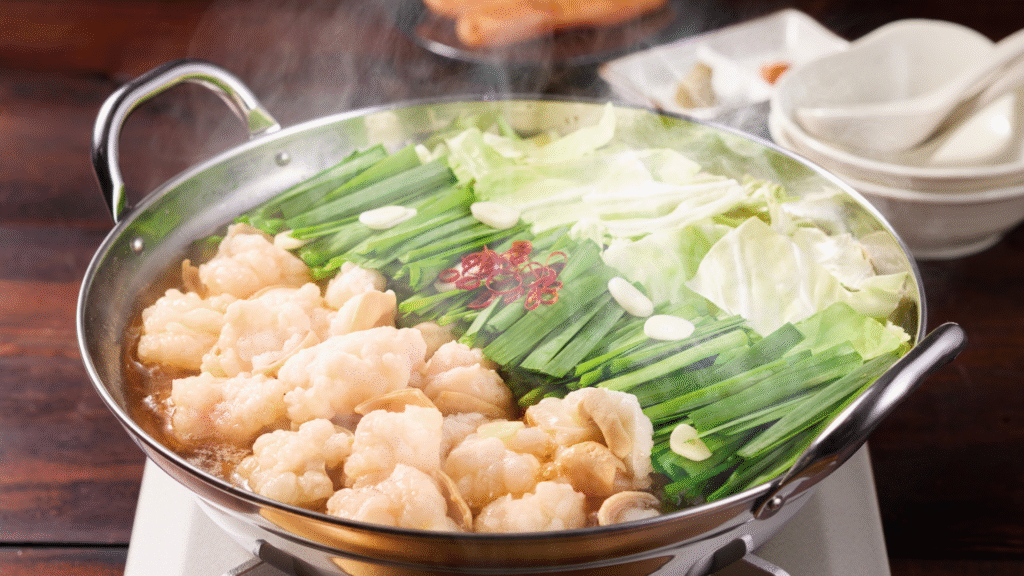
The Magic of Minimal Washing with One-Pot Cooking for Effortless Meal Preparation
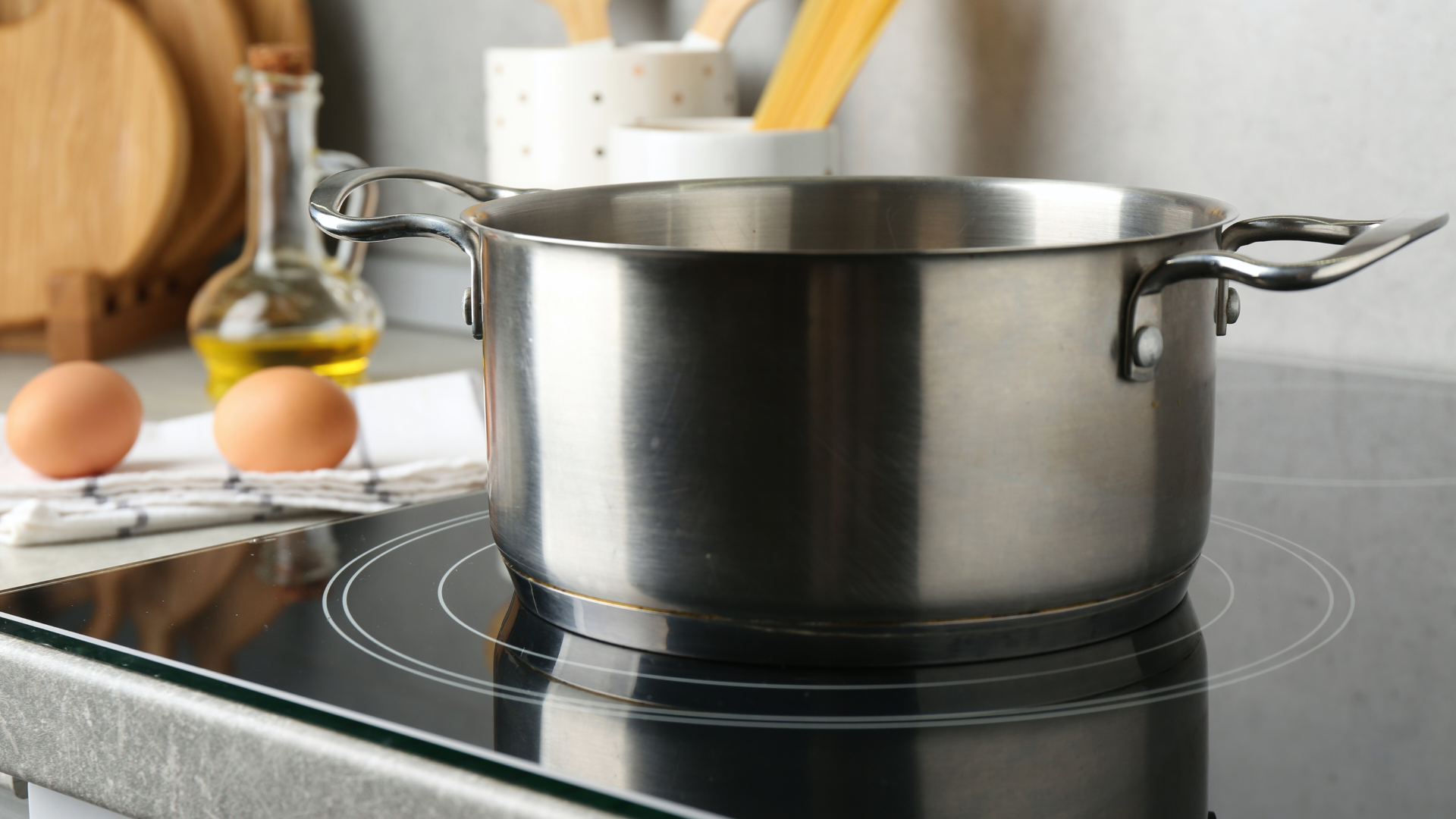
One-pot cooking offers a practical solution to the common kitchen hassle of washing multiple pots and pans. It reduces cleanup by combining ingredients and cooking processes in a single dish, saving time and effort. This technique appeals to those looking to simplify their routine without sacrificing flavour or nutrition.
By using just one pot, it minimises the need for extra utensils and keeps the kitchen tidier. It can be applied to a wide variety of recipes, making it versatile for both quick meals and more elaborate dishes. This method benefits busy individuals or anyone who prefers efficiency in cooking and cleaning.
The magic lies in how it streamlines the entire process from preparation to serving. For those wanting to spend less time washing up and more time enjoying their meal, one-pot cooking presents a straightforward and effective approach.
The Essence of Minimal Washing with One-Pot Cooking
One-pot cooking reduces kitchen mess by combining all cooking steps in a single pot. This method streamlines meal preparation and cuts down the effort spent on cleaning. It also encourages efficient use of ingredients and limits the number of utensils and dishes needed.
What Is One-Pot Cooking?
One-pot cooking involves preparing an entire meal in a single vessel, such as a pot, pan, or slow cooker. Ingredients are added sequentially or simultaneously to cook together, creating layered flavours without transferring food between containers.
This technique suits stews, casseroles, pasta dishes, and rice meals. It simplifies the cooking process, making it quicker and less complicated. The fewer pots used, the fewer surfaces require washing afterwards, optimising time and effort.
How Minimal Washing Transforms Mealtime
Minimal washing means fewer dishes and utensils to clean after cooking. For busy households, this saves significant time and lowers the stress associated with tidying the kitchen. One-pot meals also encourage more consistent home cooking, since cleanup is less daunting.
By limiting the number of cooking vessels, minimal washing also reduces water and detergent use. This has environmental benefits and lowers household expenses. The approach promotes a cleaner cooking environment and keeps kitchen workflows smooth.
The Science Behind Minimal Cleanup
The science behind minimal cleanup centres on reducing cross-contamination and residue spread. Using one pot means fewer surfaces for food to stick to, and heat distribution helps loosen food particles within the same container.
Moreover, cooking ingredients together allows natural mixing of fats and liquids, creating a non-stick effect. This means residues tend to be easier to rinse away. The efficiency of one-pot cooking is enhanced by choosing appropriate cookware materials designed to minimise sticking and facilitate quick cleaning.
Unlocking the Benefits: Practical and Planet-Friendly Advantages
One-pot cooking offers clear benefits by streamlining meal preparation and minimising waste. It supports sustainable habits while saving valuable time and reducing daily kitchen effort. These advantages contribute to easier, more efficient family meal planning.
Reducing Food Waste and Environmental Impact
One-pot meals encourage using ingredients more efficiently, which helps reduce food waste. Cooking everything in a single vessel allows better portion control and limits leftovers that often go uneaten.
Fewer cooking utensils and fewer washing cycles reduce water and energy consumption. This practice lowers the household’s carbon footprint and lessens environmental strain.
Additionally, minimal washing decreases the use of detergents and plastic sponges, reducing harmful substances released into waterways. This leads to a small but meaningful contribution to planetary health.
Saving Time and Effort for Busy Evenings
One-pot cooking streamlines meal preparation by combining all ingredients from start to finish in one dish. This reduces chopping, mixing, and constant monitoring.
The limited clean-up saves considerable time, especially for those juggling work, family, and other commitments. It avoids the cumulative effort of scrubbing multiple pots, pans, and utensils.
This makes it easier to maintain a home-cooked, nutritious diet during busy evenings, cutting preparation and cleaning time by up to 50%.
Optimal Meal Prep for Families
Families benefit from one-pot meals through simple, consistent cooking routines. These meals often reheat well, making them ideal for preparing multiple servings ahead.
Using a single pot encourages balanced meals by combining proteins, vegetables, and grains, supporting varied nutrition without complexity.
The simplified approach is accessible for all skill levels and can bring family members together in meal planning and preparation. This fosters shared responsibility while reducing food waste through careful portioning.
Mastering Flavour and Variety in One-Pot Meals
A successful one-pot dinner relies on careful ingredient selection and cooking order to develop complex flavours. Balancing nutrition and waste while adapting to dietary needs ensures each meal is satisfying and healthy without excess effort.
Layering Ingredients for Depth of Flavour
One-pot recipes benefit from adding ingredients in stages. Starting with aromatics like onions, garlic, and spices in oil builds a robust flavour base. Proteins and denser vegetables follow, allowing them to brown and caramelise, which adds richness.
Liquids and quick-cooking vegetables go in last to avoid overcooking. Each ingredient’s cooking time should be respected to preserve texture and taste. Stirring gently prevents burning while blending flavours naturally.
Using fresh herbs at the end brightens the dish, while dried herbs and spices work best early on. This layering approach creates nuanced profiles even in simple one-pot dinners.
Maximising Nutrition and Minimising Waste
One-pot meals allow for whole-food cooking with minimal nutrient loss. Including a variety of vegetables, grains, and proteins ensures a balanced plate in one pot. Cooking with skins on vegetables like potatoes or carrots retains fibre and vitamins.
Leftover ingredients can be incorporated into subsequent meals, eliminating waste. For example, vegetable trimmings can make stock, enriching the next recipe. Portion control within the pot also helps reduce over-serving.
Choosing diverse ingredients means every meal can be both nutritious and efficient. One-pot dinners simplify meal prep and support sustainable eating habits by using everything in the pot.
Adapting Recipes for Dietary Needs
One-pot dinners easily accommodate dietary restrictions through ingredient swaps and cooking methods. For gluten-free options, grains like rice or quinoa can replace pasta or wheat-based staples without losing texture.
Vegetarian or vegan diets benefit from plant proteins such as lentils, chickpeas, or tofu, which cook well alongside vegetables. Dairy-free versions can be achieved by replacing cream or cheese with coconut milk or nut-based alternatives.
Adjusting seasoning to reduce salt or incorporate allergy-friendly spices allows for personalised recipes. Flexibility in ingredient timing and selection makes one-pot meals a versatile choice for any dietary requirement.
Inspiring One-Pot Dinner Ideas for Every Occasion
One-pot dinners reduce time spent in the kitchen and simplify mealtime. They accommodate quick meals, family gatherings, and efficient meal prep with minimal cleanup. Practical recipes can suit varying tastes and schedules without compromising flavour or nutrition.
Weeknight Wonders: Quick and Simple Dishes
For busy evenings, one-pot dishes like stir-fries, pasta, or risotto offer fast preparation and cooking. These recipes typically take under 30 minutes and use common ingredients like vegetables, protein, and grains.
Examples include a chicken and vegetable stir-fry or a tomato basil pasta. Both require just one pan, making cleanup quick. The focus is on balanced meals that can be ready in a single cooking step, ideal for those short on time.
Hearty Family One-Pot Dinners
One-pot meals designed for families often include stews, casseroles, or slow-cooked recipes. These dishes provide generous portions and can accommodate diverse preferences with adjustable ingredients.
Shepherd’s pie, chilli con carne, or a vegetable stew can be prepared entirely in one pot. They offer nutritional variety and comfort, making them suitable for sharing at family dinners. The emphasis is on meals that can feed multiple people easily while retaining rich flavours.
Meal Prep and Leftover Strategies
One-pot recipes are effective for meal prep by allowing large batch cooking with minimal effort. Portions can be divided and stored, reducing cooking frequency during the week.
Staple dishes like rice and bean casseroles or baked pasta keep well and reheat easily. Using a single pot minimises washing up between cooking sessions. Planning meals this way supports efficient use of time and ingredients for busy schedules.
Related Posts
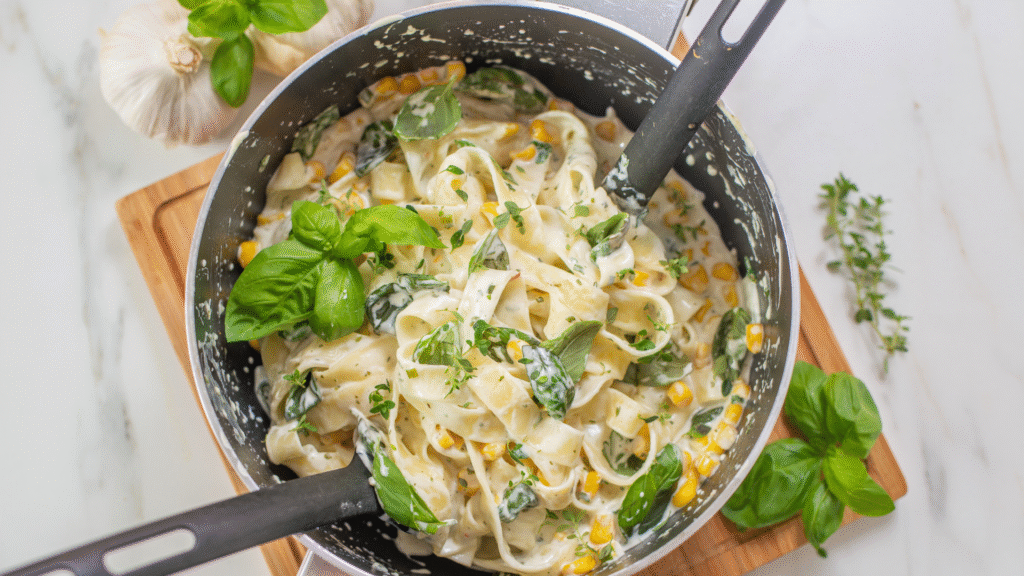
One-Pot Pasta Ideas For Quick, Satisfying Meals to Streamline Your Dinner Routine
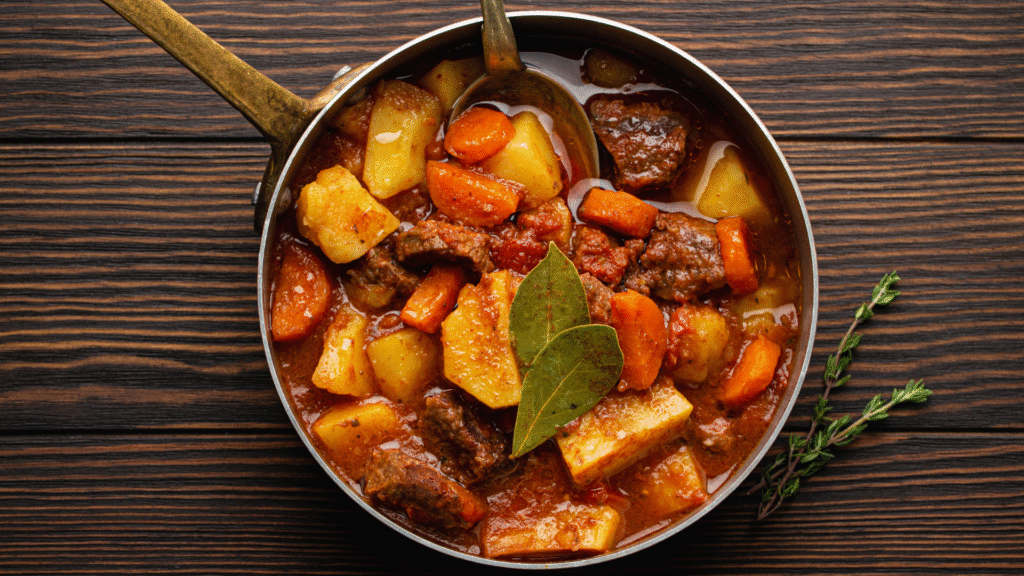
The Best One-Pot Dishes for Batch Cooking to Save Time and Effort