Easy Vegetarian One-Pot Meals for Midweek Dinners Made Simple and Nutritious
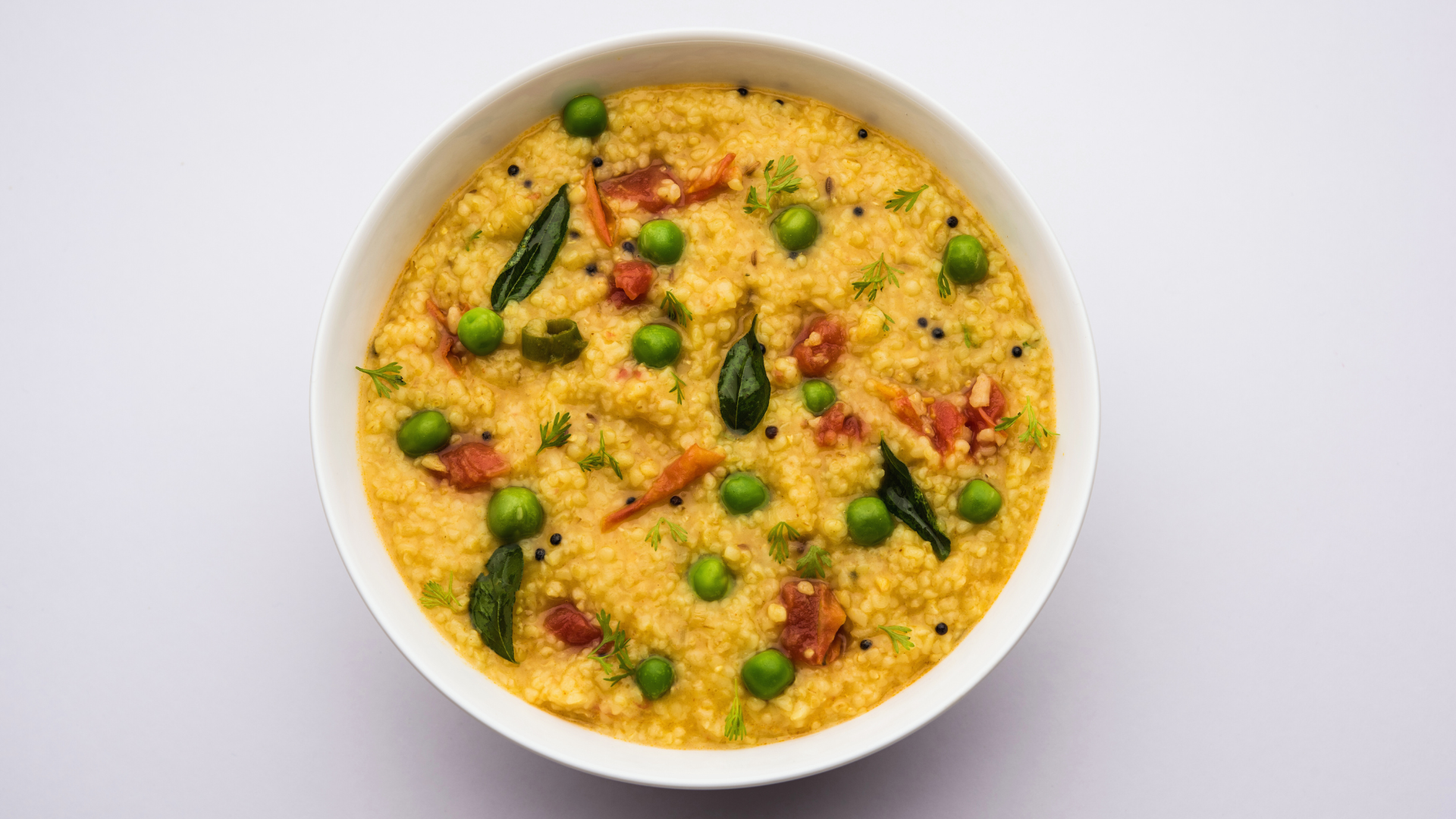
Midweek dinners often demand quick and simple solutions, especially for those following a vegetarian diet. One-pot meals offer an efficient way to prepare nutritious dishes with minimal effort and fewer dishes to clean afterwards. They combine vegetables, grains, and legumes in a single pot to create satisfying meals that save both time and energy.
These meals are designed to be versatile, using easily accessible ingredients which can be adapted depending on what is on hand. The one-pot method also helps to concentrate flavours, making the dishes richer without adding complexity. By choosing vegetarian recipes, diners can enjoy wholesome meals that are both healthy and convenient.
Whether cooking for one or a family, easy vegetarian one-pot meals can fit seamlessly into a busy routine. They provide balanced nutrition and variety while reducing cooking stress on hectic evenings. This approach makes midweek cooking more manageable and enjoyable.
Key Principles of Easy Vegetarian One-Pot Meals
Successful one-pot vegetarian meals rely on simplifying preparation, balancing nutrients, and saving time. They focus on combining ingredients that cook evenly and deliver satisfying flavours with minimal cleanup.
Essentials of One-Pot Cooking
One-pot cooking uses a single vessel to perform all cooking steps, including sautéing, simmering, and steaming. This method is efficient and minimises washing up. It’s important to choose cookware that distributes heat evenly, such as a heavy-bottomed pot or a deep skillet.
Layering ingredients properly is critical. Dense items like root vegetables should go in first to allow longer cooking, while quicker-cooking vegetables and leafy greens are added later. Liquid levels must be sufficient to prevent burning but not so much that the dish becomes soggy.
Seasoning early and adjusting gradually keeps flavours balanced. Using whole spices, herbs, and flavour bases like garlic and onions enhances the dish naturally. This approach works well for vegetarian recipes, which often rely on herbs and spices for depth.
Benefits for Midweek Dinners
One-pot meals reduce cooking time, which is vital on busy weekdays. They eliminate the need for multiple pots and pans, cutting down on kitchen clutter and speeding up cleaning. This convenience makes them ideal for quick, healthy dinner options.
These meals can be prepared in bulk and stored, saving effort over several days. Their versatility allows for using pantry staples—such as canned beans, rice, and frozen vegetables—reducing the need for special shopping trips.
Moreover, one-pot cooking lends itself to balanced vegetarian meals, providing a combination of carbohydrates, proteins, and vegetables in one dish. This helps maintain a nutritious diet without requiring separate side dishes or complex meal planning.
Tips for Quick Preparation
Preparation is key to speedy one-pot meals. Pre-chopping vegetables in advance saves time during cooking. Using pre-soaked or canned pulses accelerates protein inclusion without adding hours.
Batch cooking sauces or spice blends also streamlines the process. Keeping common ingredients like garlic, onions, and canned tomatoes on hand ensures readiness.
Setting up all ingredients before turning on the stove, known as mise en place, reduces interruptions and maintains cooking flow. Using ingredients that cook at similar rates, or staggering their addition, prevents overcooking or undercooking elements.
Balancing Nutrition in Vegetarian Meals
One-pot vegetarian meals must provide sufficient protein, iron, and other essential nutrients. Combining legumes (beans, lentils) with grains (rice, quinoa) results in a complete amino acid profile. This pairing supports muscle maintenance and overall health.
Iron can be less bioavailable in plant sources than in meat, so incorporating iron-rich ingredients—such as spinach, chickpeas, and fortified cereals—is necessary. Including vitamin C-rich foods like tomatoes or bell peppers improves iron absorption.
Healthy fats from olive oil, nuts, or seeds can enhance nutrient uptake and add flavour. A well-balanced one-pot dish delivers energy and key nutrients for midweek dinners, making it a practical alternative to meat-based meals.
Ingredients and Flavours for Delicious One-Pot Dinners
A successful one-pot vegetarian meal depends on carefully chosen ingredients that balance texture, taste, and nutrition. Combining fresh vegetables, pulses, spices, and protein sources creates meals that are simple yet flavourful.
Staple Vegetables and Pulses
Common vegetables like onion, garlic, and tomatoes form the flavour base in many one-pot dishes. Root vegetables such as carrots and sweet potatoes add natural sweetness and body. Leafy greens like spinach, kale, and leeks provide colour and nutrients without overwhelming the dish.
Pulses such as lentils and chickpeas are essential for protein and fibre. They soak up spices and liquids well, enhancing the dish’s texture. Starchy vegetables like corn and zucchini bring subtle sweetness and moisture to the pot. Mushrooms add earthiness, often replacing meat flavours.
Essential Spices and Seasonings
Spices bring depth and warmth to vegetarian one-pot meals. Cumin, paprika, and coriander are key for their robust yet balanced flavours. Fresh or ground ginger adds a peppery zest, brightening rich bases.
Using sage can introduce an aromatic, slightly peppery note that pairs well with root vegetables and pulses. Chilli and hot sauce offer heat, adjustable to taste, which enlivens milder ingredients.
Salt and pepper remain fundamental, while ingredients like olives contribute saltiness and a briny bite, rounding out the flavour profile effectively.
Plant-Based Protein Options
Plant protein sources like tofu and pulses are vital for sustaining energy in vegetarian meals. Tofu soaks up surrounding flavours and provides a firm texture contrast to softer vegetables.
Lentils and chickpeas not only bulk up dishes but also contribute earthy flavours that complement spices such as cumin and paprika. Combining different pulses can vary the texture and enhance the overall mouthfeel.
Broccoli and cauliflower, while lower in protein, add crunch and absorb seasoning, supporting the protein elements and adding variety. These options keep one-pot meals both satisfying and nutritionally balanced.
Simple and Nutritious Vegetarian One-Pot Meal Ideas
These meals combine convenience, nutrition, and robust flavours. They often use accessible ingredients like canned chickpeas, lentils, and staple grains, making them practical for busy midweek dinners.
Hearty Stews and Curries
Hearty lentil stew is a popular choice, rich in protein and fibre. It commonly includes vegetables like carrots and spinach, simmered with spices and tomato sauce for depth. Adding feta or tahini can enhance texture and flavour without extra effort.
Vegan jambalaya is another filling option that uses black beans or chickpeas, peppers, and brown rice cooked in a spicy tomato base. It offers a balanced meal with protein and complex carbohydrates in one pot.
Shakshuka, while traditionally made with eggs, can be adapted with tofu or chickpeas for a vegan version. Its tomato-driven sauce combines peppers, onions, and spices, making it warming and nutrient-dense.
Pasta and Gnocchi Creations
One-pot pasta meals often mix vegetables with tomato sauce or creamy bases. Gnocchi works well here, cooking quickly and absorbing flavours. Incorporating mozzarella or feta adds a creamy contrast.
Common vegetables include spinach, mushrooms, and cherry tomatoes. These meals cook evenly with the sauce, creating a cohesive, rich dish that requires minimal washing up.
Pasta combined with canned chickpeas boosts protein content. It is practical and satisfying, making these options perfect for busy evenings when time is limited.
Rice and Grain-Based Meals
Brown rice or mixed grains form the base of many simple dishes. They absorb spices and sauces well, offering texture and substance.
Jambalaya uses this technique, mixing rice with black beans or chickpeas, peppers, and spices in one pot. Tahini can serve as a finishing sauce to add richness.
These meals benefit from long-simmering to develop flavour. Using canned goods reduces preparation time without compromising nutritional quality. They provide filling, balanced dinners with minimal fuss.
Adapting One-Pot Meals for Dietary Preferences and Seasonal Produce
One-pot meals can be tailored to fit different dietary needs and take full advantage of what’s fresh and available. Adjusting ingredients and techniques helps ensure meals meet nutritional goals and maximise flavour.
Vegan Alternatives and Substitutions
To make one-pot meals vegan, dairy products like cheese or cream can be replaced with plant-based options such as coconut milk or cashew cream. Butter is often swapped with olive oil or vegan margarine without losing richness.
Honey, commonly used as a sweetener, should be replaced by maple syrup, agave nectar, or date syrup to keep recipes fully plant-based.
Protein sources can be shifted from eggs and cheese to lentils, chickpeas, or tofu, which provide good texture and nutrition.
Using vegetable broth instead of meat-based stock is essential. Always check packaged ingredients to avoid hidden animal derivatives.
Making the Most of Seasonal Vegetables
Selecting vegetables at their peak season enhances flavour and nutrition. For example, in autumn, root vegetables like carrots, parsnips, and squash are both affordable and tasty in one-pot dishes.
Adjust cooking times for firmer vegetables like Brussels sprouts or cabbage to ensure even cooking. Quick-cooking greens such as spinach or kale can be stirred in last to preserve colour and nutrients.
Seasonal herbs like thyme or rosemary can intensify the dish’s aroma.
Buying local produce reduces carbon footprint and supports regional farmers, creating fresher meals.
Planning meals around seasonal availability also allows variety throughout the year without complex ingredient substitutions.
Related Posts
How To Season Food Like A Professional Chef With Expert Tips And Techniques
How to Stock a Nourishing and Versatile Pantry for Balanced, Everyday Cooking